

Enrichment
Why Do Dogs Chew? Chewing as an Emotional Need
👤
Author: Darren James
🕐
3 min read
📅
You come home to a shredded cushion and a dog who greets you as if nothing happened. It is easy to feel your dog did it out of spite. They did not. Blue Cross is clear that dogs do not chew out of spite or jealousy. They chew because of sore gums, boredom, distress, and because chewing is normal for dogs. So the useful question is not how to stop your dog chewing. It is what chewing does for them. For owners of puppies, adolescents, and adult dogs, the answer changes with age and how your dog feels.
Why dogs chew at different ages
Teething puppies, around 3 to 7 months
Puppies chew to ease sore gums as their adult teeth come through. Offering safe items at this stage meets a physical need, not a bad habit. Our guide to using enrichment to train your puppy explains how to build this into the day.
Adolescents, around 7 to 12 months
Many owners are caught out by a second chewing phase after puppy teeth fall out. Blue Cross describes this exploratory chewing as lasting up to six months, as young dogs explore the world and their adult teeth settle into the jaw.
Adult dogs
The urge eases with maturity but doesn't disappear, so chewing remains useful throughout life. When a settled adult starts chewing the home, something usually has changed, and it is worth finding out what.
When chewing is linked to stress
Dogs don’t always chew because they’re bored or have too much energy. Some chew more when anxious or unsettled, and the repetitive action helps them relax. Licking can have a similar effect, which is why some dogs enjoy spending time with a lick mat. If your dog starts chewing more after a change in routine, a house move, or longer periods alone, stress could be part of the problem. It’s worth looking at what changed rather than simply trying to stop the chewing. We also cover this in our emotional enrichment guide.
Destructive chewing can also be a sign of distress when left alone. The RSPCA reports research suggesting 8 out of 10 dogs find it hard to cope when alone, and half show no obvious signs. Damage around the door you leave by is one clue. Others include pacing, barking, and not touching food while you are out. If this sounds like your dog, a chew alone will not solve it. Read our guide to recognising and easing anxiety first, as the feeling needs addressing along with the behaviour.
Boredom, attention and the rest of the list
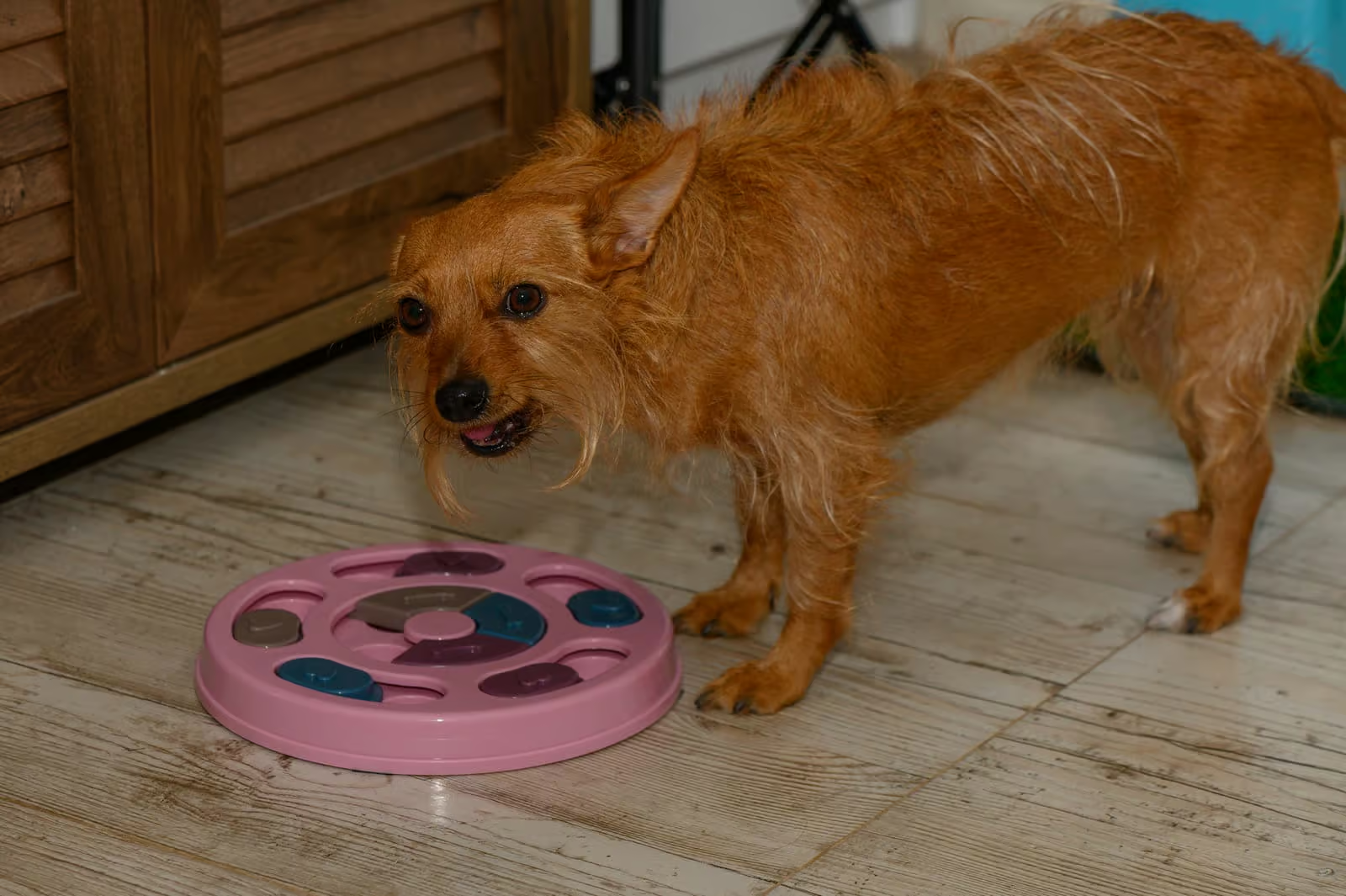
Not all chewing is emotional. Dogs without enough mental and physical stimulation find their own entertainment. Some learn that grabbing the remote gets everyone off the sofa, making it a game. Diet can matter too. Blue Cross notes a dog lacking nutrients may chew stones or plaster, so any chewing of non-food items is worth raising with your vet. Pain is another reason to look closer. In a 2020 review, Daniel Mills and colleagues estimated around a third of referred dog behaviour cases involved a painful condition. A sudden change in chewing, or a dog that chews and then avoids food, should prompt a vet visit and an exam of their teeth and mouth.
Helping your dog chew the right things
A few changes around the house can help prevent unwanted chewing.
- Keep tempting things out of reach. Put shoes, remote controls, and other household items away while your dog learns what they can chew. Baby gates can also help keep them away from anything dangerous.
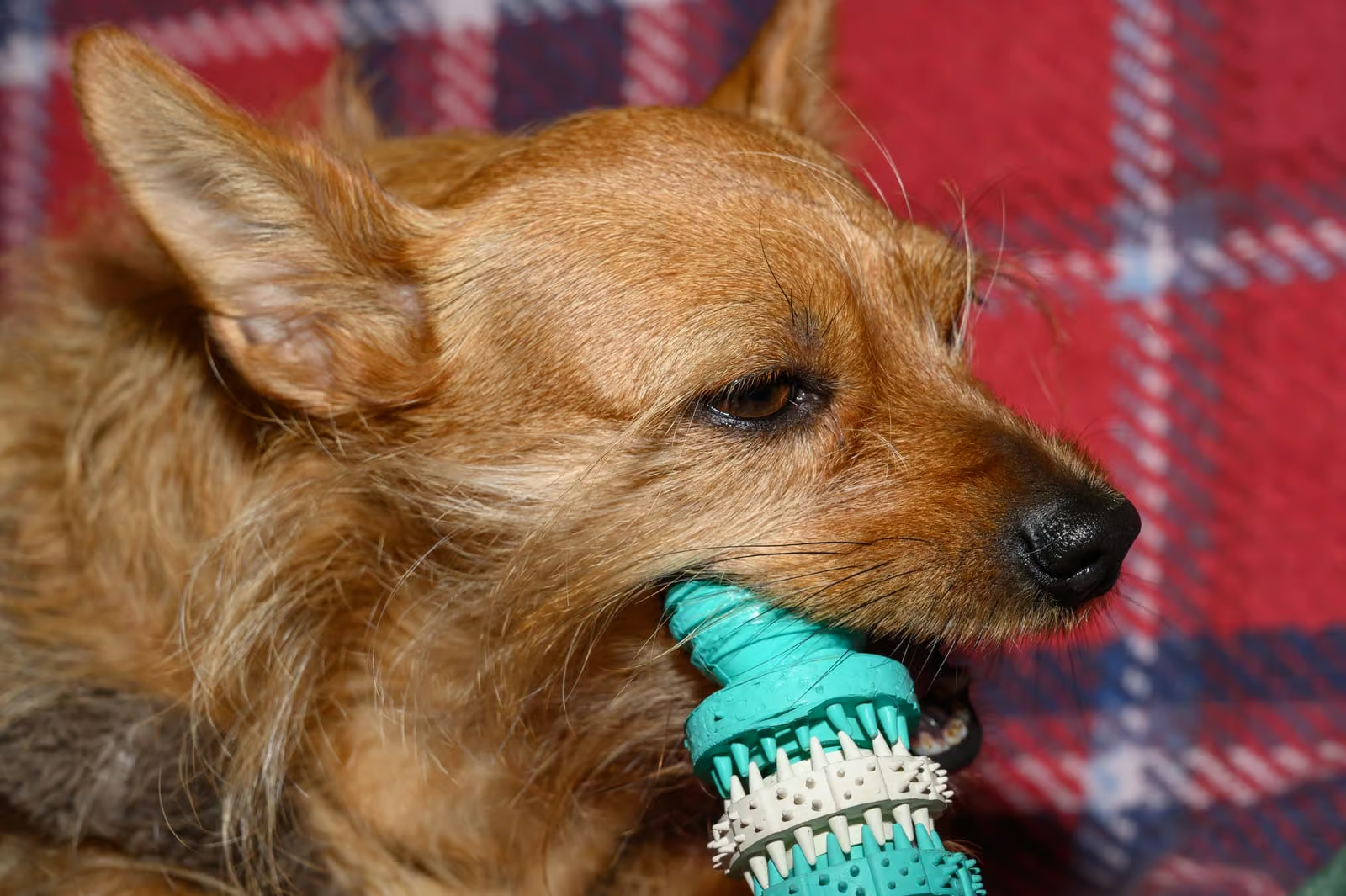
- Give them something suitable to chew. Try offering a chew toy when your dog starts to settle down. It’s often easier to encourage good chewing habits when they’re relaxed rather than excited or full of energy.
- Rotate what you offer. A chew left on the floor soon stops being interesting. Bring out one your dog has not seen for a few days.
- Never snatch. If your dog has something they should not, offer something better. Chasing turns it into a game and grabbing can create guarding.
- Praise good choices. Notice when your dog picks their own chew and tell them so quietly.
- Build in short play. Blue Cross suggests at least three play sessions a day lasting five minutes or more.
- Choose safe chews. Pick chews that suit your dog's size and chewing style and won't splinter or break into pieces they could swallow. Supervise your dog with anything new, and avoid cooked bones, which can splinter.
Why punishment makes chewing worse
Finding chewed furniture or damaged belongings when you get home is frustrating, but telling your dog off won’t solve the problem. Dogs don’t understand you’re angry about something they did hours earlier. Instead, they may start to feel nervous when you come home without knowing why. As Blue Cross explains, punishment can increase anxiety and make chewing problems worse. Training without punishment doesn’t mean letting your dog do whatever they like. It’s about understanding why they’re chewing and helping them feel comfortable enough to stop.
Common questions about dogs chewing
Why has my adult dog suddenly started chewing?
If your dog has never been much of a chewer and suddenly starts destroying things, it’s worth finding out what’s changed. Dental pain or other health problems could be responsible, so a vet check is a sensible first step. It's also worth thinking about recent changes at home. Dogs can react to a new working routine, being left alone longer, or another pet joining the household. Moving house can be particularly stressful. If the chewing started around the same time as one of these changes, there may be a connection.
How long does the chewing phase last?
Puppies usually start teething around three months, with most adult teeth coming through by six or seven months. Chewing can continue beyond this, especially during adolescence when dogs are still learning what they can and can’t chew. There’s no fixed age when every dog stops chewing. Suitable chew toys, enough sleep, and ways to keep them occupied can make this stage much easier to manage.
Do deterrent sprays stop chewing?
Only sometimes. Taste deterrents can put some dogs off a particular item, but they need to be reapplied and don't address why your dog chews. Treat them as a short-term aid at most. If your dog chews when left, chews until they hurt themselves, or swallows what they destroy, it is time for support. Start with your vet, then look at our training for anxious dogs. If you would like to talk it through, contact us.
Continue reading: My Dog Keeps Stealing Things.
About Royvon
Enrichment Based Dog Boarding
Our calm, structured environment is built for dogs who need more than a standard kennel.
Dog BoardingLeading Dog Training
A structured residential dog training programme where your dog lives with our expert team, building calm behaviour, reliable obedience and real-world confidence that lasts beyond their stay.
Dog Training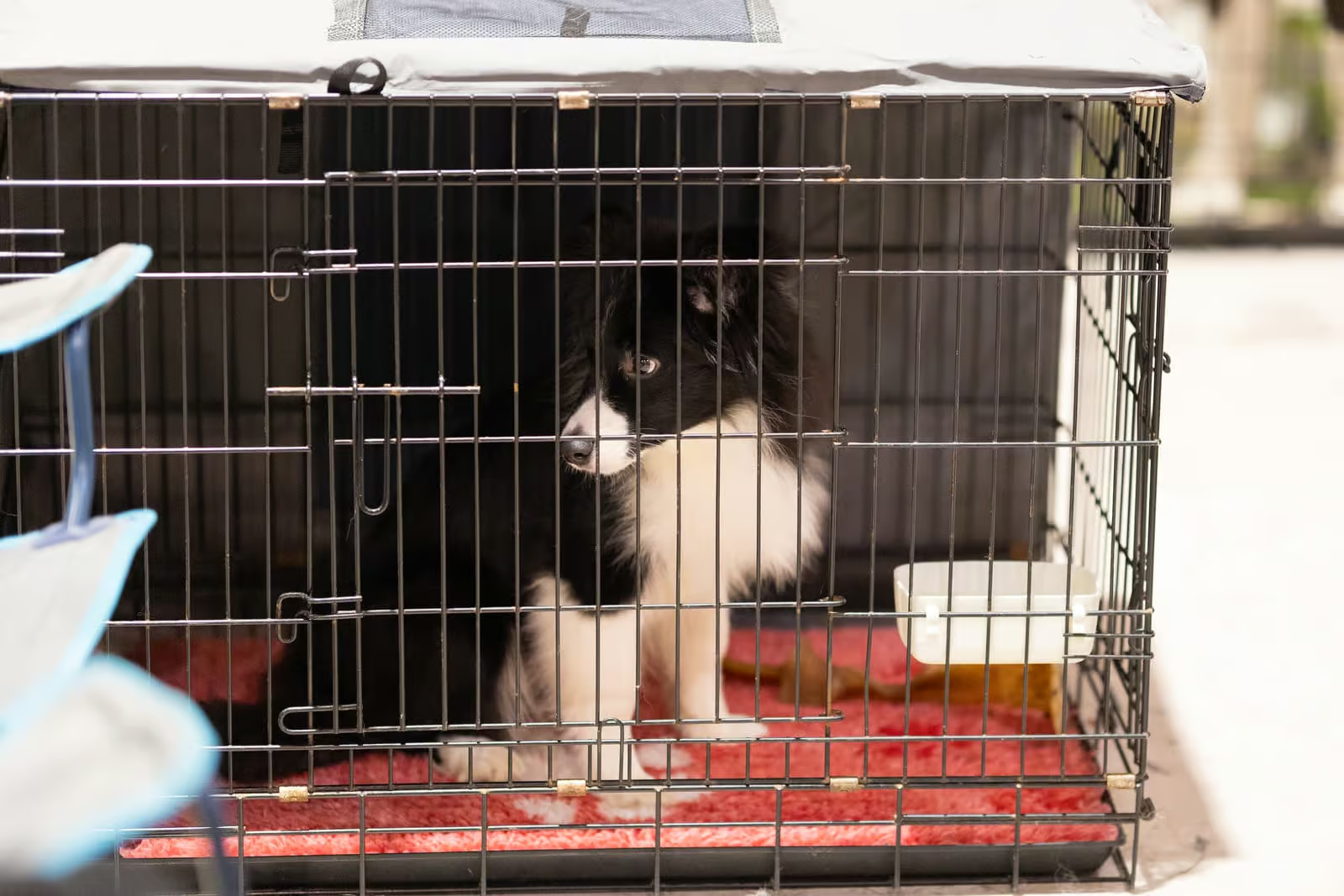
Royvon News & Enrichment Advice
Recent Posts Regarding Enrichment
Book With Peace Of Mind Today - Limited Places Available


Specialist care, structured training, and enrichment-led boarding designed to help dogs feel calm, confident and understood. 30,000+ completed residential training programmes; 200,000+ dogs cared for in total, including boarding, since 1959.
Existing Customer?
Log In


© Copyright 2026 Royvon. All Rights Reserved.
Licensed by Merthyr Tydfil County Borough Council with the reference AB 0001. Licensed by Surrey County Council with the reference LN/201800796.
Social Media: