


Enrichment
Enrichment for Older Dogs: Keeping Senior Minds Engaged
👤
Author: Darren James
🕐
3 min read
📅
An older dog sleeps more, walks slower and may turn for home sooner than before. It is tempting to assume they want to be left in peace. But slowing down is not the same as switching off. Older dogs still need things to think about, sniff and solve, just at a gentler pace. Good senior dog care means changing how you enrich your dog's life, not stopping. This guide is for owners of older dogs who want to keep them engaged, comfortable and confident.
Why an older dog's mind still needs work
Cognitive enrichment helps dogs make sense of their world and feel capable. That matters more, not less, when hearing, sight or memory begin to change. A dog who can still succeed at small challenges keeps a sense of competence, and a dog who feels capable copes better with change.
There is research interest here too. In a Dog Aging Project study of 15,019 companion dogs, published in 2022, the odds of canine cognitive dysfunction rose by 52% with each additional year of age. Dogs described as not active had 6.47 times the odds of those described as very active, among dogs of similar age, health and breed type.
That figure needs care. It does not prove activity prevents dementia. The authors point out dogs may become less active because of cognitive decline, and the data came from owner surveys. Still, keeping an older dog gently active and engaged is good for them in its own right, and Animal Trust's vets list enrichment as one way to support dogs with the condition.
Keeping older dogs active and interested
Mental stimulation: keep them thinking
There’s no reason to stop training just because your dog is getting older. Practise a few commands they already know or introduce something simple, such as touching your hand with their nose. Five minutes might be all they need, especially if they tire easily.
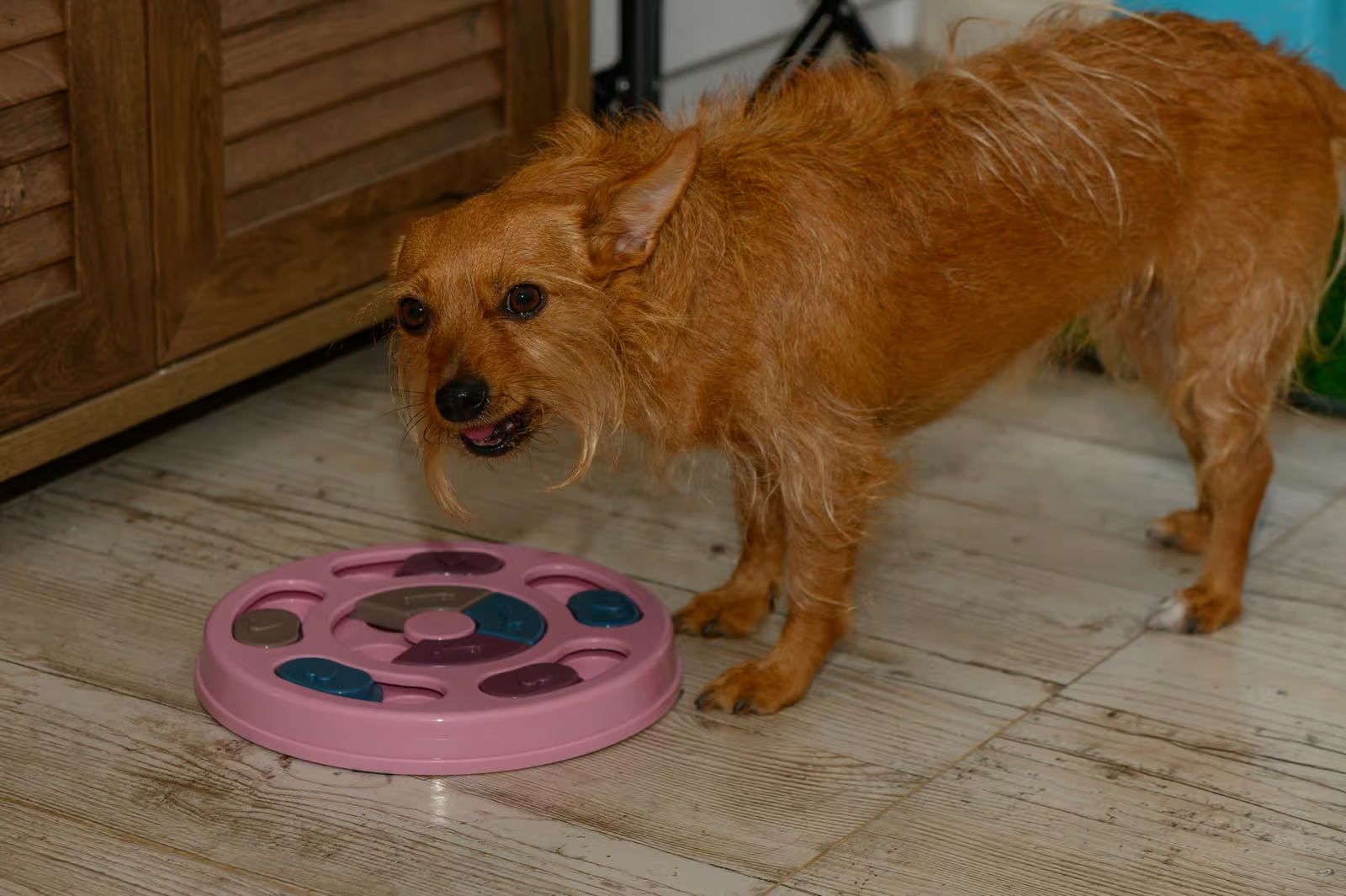
PDSA vet nurses recommend teaching hand signals while your dog can still hear you. That way, if their hearing deteriorates, you’ll have another way to communicate. Puzzle feeders are worth trying too, but it’s best to start with easy ones. If your dog can’t work out how to get the food, give them a hand.
Sensory activities: plenty to sniff
Dogs get a surprising amount of information from their noses, and sniffing is something most can continue enjoying well into old age. The PDSA recommends introducing different scents to keep older dogs interested in their surroundings.
You could scatter a few treats across the lawn, hide some in the folds of an old towel or place them around a room for your dog to find. Keep everything within easy reach so there is no need to stretch or climb. Lick mats are another option, especially for dogs who prefer something quieter.
We’ve covered a few more activities in our sensory enrichment guide.
Emotional wellbeing: familiar surroundings
Some older dogs become unsettled when their routine changes, especially if their eyesight or hearing is deteriorating. Try to keep feeding times and daily walks reasonably consistent.
If your dog is struggling to see, avoid rearranging the furniture unnecessarily. The PDSA advises keeping familiar routes through the house clear so dogs can find their way around without bumping into things.
You don’t have to keep everything exactly the same. Introduce changes slowly and see how your dog responds.
Social interaction: a bit of peace and quiet
An older dog who once loved playing with every dog they met might become less interested in company. Some find energetic puppies exhausting; others simply prefer spending more time resting.
Make sure your dog has somewhere quiet to go when visitors arrive, and don’t insist they join in if they’d rather stay in bed.
They may still enjoy being around you, though. Sitting together on the sofa, a gentle brush or a little fuss can be just as enjoyable as a trip somewhere busy.
Rethinking walks
Older dogs still need their walks, although they might not manage the distances they once did. The PDSA recommends adapting walks rather than giving them up altogether. Two or three shorter outings may suit an ageing dog better than one long walk.
Let your dog set the pace. If they stop frequently, slow down or seem keen to head home, do not push them to carry on. Dogs losing their sight or hearing may be happier sticking to routes they know, with a lead to prevent wandering into trouble.
Some dogs eventually struggle to walk far. Even then, they can enjoy getting outside. Ten minutes sniffing around a grassy area might be enough. If there is somewhere they particularly enjoy visiting, consider driving there rather than expecting them to walk the whole way.
Making everyday life easier
As dogs get older, things they once did easily can become harder. Getting up from a slippery floor, climbing onto the sofa or walking upstairs may take more effort.
A comfortable bed in a warm spot, away from draughts, is a good starting point. Rugs or non-slip mats help on hard floors, while keeping water nearby saves unnecessary trips around the house.
Watch for changes in behaviour. A dog that suddenly seems grumpy, avoids being touched or stops jumping into the car may be in pain. Do not assume it is simply old age. Speak to your vet about anything unusual, even if it seems minor.
The PDSA recommends that older dogs have a veterinary check-up at least every six months.
Signs to raise with your vet
Canine cognitive dysfunction is often seen after around 9 years of age, according to Animal Trust. Changes can be gradual and easy to put down to old age. Make an appointment if you notice your dog:
- Getting lost in familiar places, stuck in corners or staring into space.
- Becoming suddenly clingy or withdrawn, or not recognising familiar people.
- Sleeping more by day and wandering at night.
- Having accidents indoors after years of being house-trained.
- Showing new anxiety, irritability or restlessness.
- Forgetting cues they have known for years.
Other conditions can cause similar signs, some of them treatable, so do not assume it is dementia. There is no cure, but early support can improve quality of life.
Older dogs and time away from home
A change of scene asks more of an older dog, so preparation matters. We take into account each dog's normal routine, feeding, medication, and individual care needs, and our boarding team can advise on a suitable mix of enrichment based on age, health, and personality. A Royvon Ready introduction, done before you need it, gives an older dog time to get to know us at their own pace.
Common questions about older dog care
Can you teach an old dog new tricks?
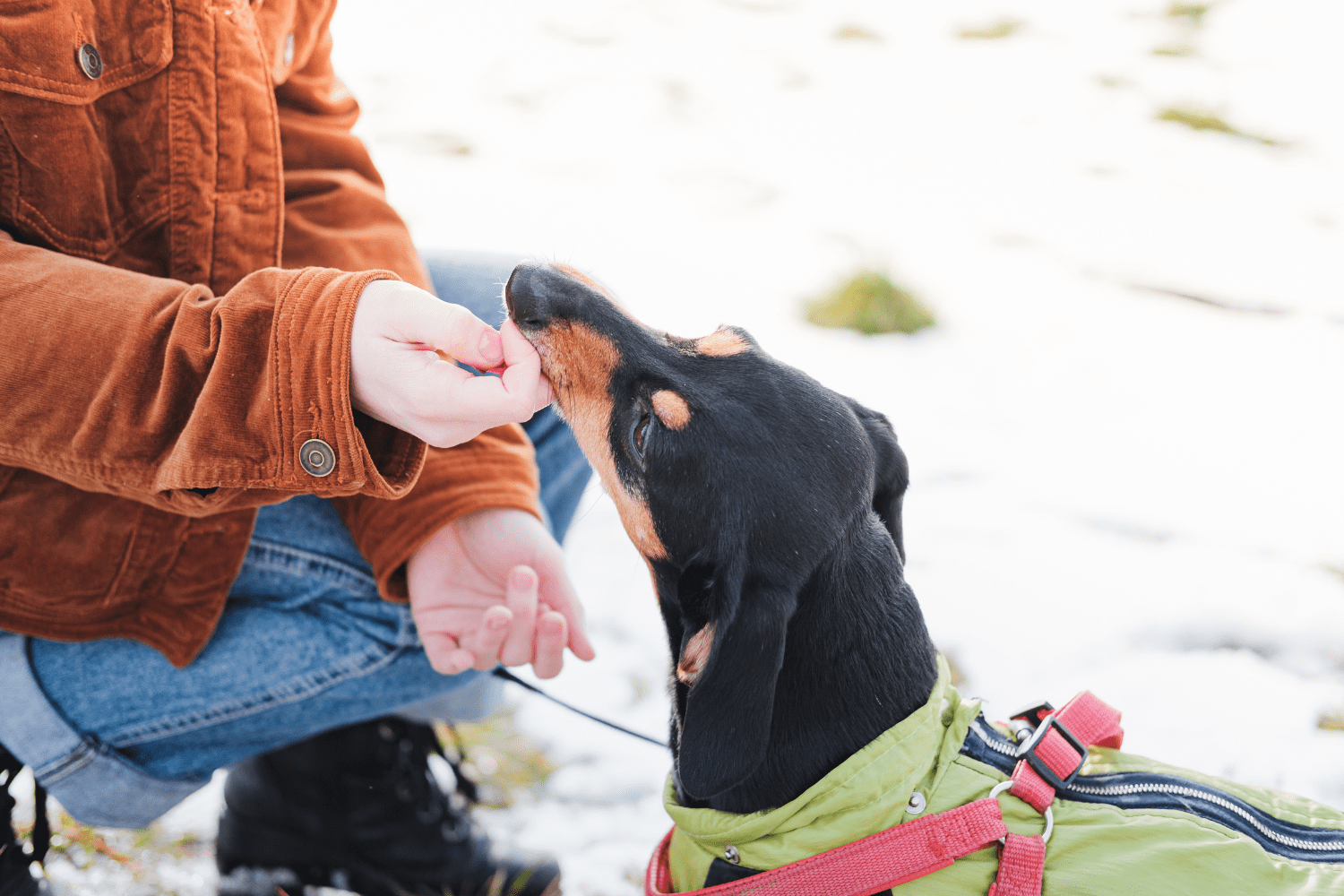
Absolutely. Dogs can learn new things at any age, although older dogs sometimes take a little longer to pick things up. Keep training sessions short, use treats and plenty of praise, and give them time to work things out. If their hearing or eyesight isn’t what it used to be, you may need to change how you give instructions. There’s no need to rush them. Even learning something simple can be a fun activity for an older dog.
How much enrichment does an older dog need?
There is no set amount. A few minutes of sniffing or training a couple of times a day is a good place to start. Watch how your dog is afterwards. Settled means it suited them. Restless or sore means do less.
My older dog sleeps all day. Is that normal?
Older dogs generally rest more. A sudden change or being awake at night and asleep all day is worth raising with your vet. Rest matters too, and our guide to how much rest a dog needs explains why.
Their later years can still be full ones
A fulfilled older dog is not a busy one. They are comfortable, understood, and still getting to use their nose and their brain. If you would like to talk about your older dog's care, get in touch.
About Royvon
Enrichment Based Dog Boarding
Our calm, structured environment is built for dogs who need more than a standard kennel.
Dog BoardingLeading Dog Training
A structured residential dog training programme where your dog lives with our expert team, building calm behaviour, reliable obedience and real-world confidence that lasts beyond their stay.
Dog Training
Royvon News & Enrichment Advice
Recent Posts Regarding Enrichment
Book With Peace Of Mind Today - Limited Places Available


Specialist care, structured training, and enrichment-led boarding designed to help dogs feel calm, confident and understood. 30,000+ completed residential training programmes; 200,000+ dogs cared for in total, including boarding, since 1959.
Existing Customer?
Log In


© Copyright 2026 Royvon. All Rights Reserved.
Licensed by Merthyr Tydfil County Borough Council with the reference AB 0001. Licensed by Surrey County Council with the reference LN/201800796.
Social Media: