

Enrichment
Settling a Rescue Dog: Why Rest Comes First
👤
Author: Darren James
🕐
3 min read
📅
When you bring home a rescue dog, you want to show them everything: walks, toys, family, the park. Please wait. The kindest thing you can offer in the first days is quiet. A dog who has just lost everything familiar needs to rest and figure out where they are before they can learn anything. This guide is for anyone bringing home a rescue dog, or still settling one in. It follows the first days, weeks and months, with rest at the centre, because a dog has to feel safe before enrichment or training can do them any good.
Before your dog arrives
Preparation means you can give your dog your full attention on the day. Dogs Trust suggests dog-proofing your home, checking for hazards, and setting up a den in a quiet spot away from busy areas. Ask the rescue about routine, food, likes and dislikes, health, and any training needs. Sticking to what your dog already knows at first gives them something to hold on to.
The first days: let them rest
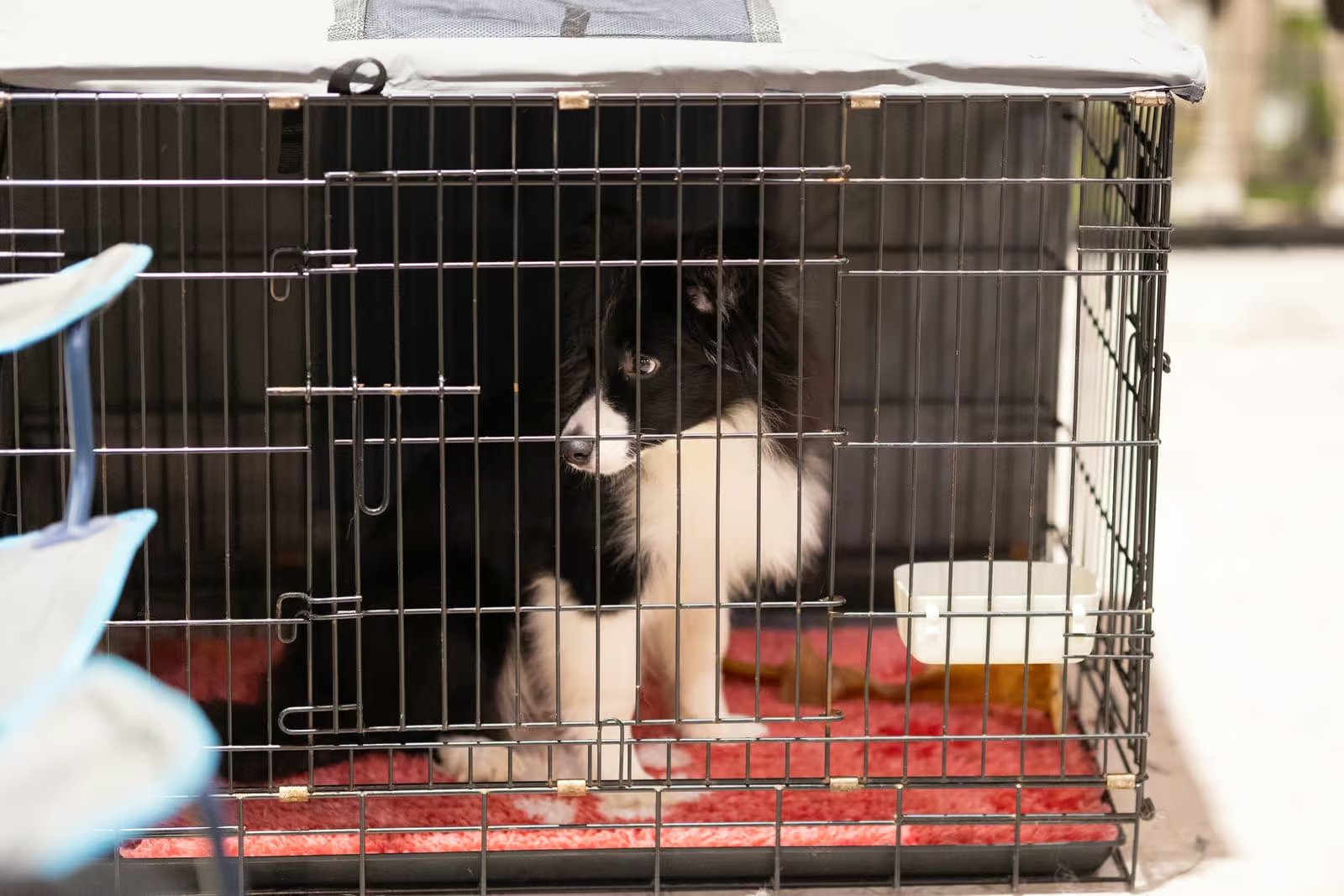
Battersea advises taking the pressure off, avoiding visitors for at least the first few days, and letting your dog settle at their own pace. If they want time alone, that is fine and not personal. Some dogs act at home immediately. Others hide or seem distant.
- Give them a safe space that everyone in the home leaves alone. It should never be a punishment.
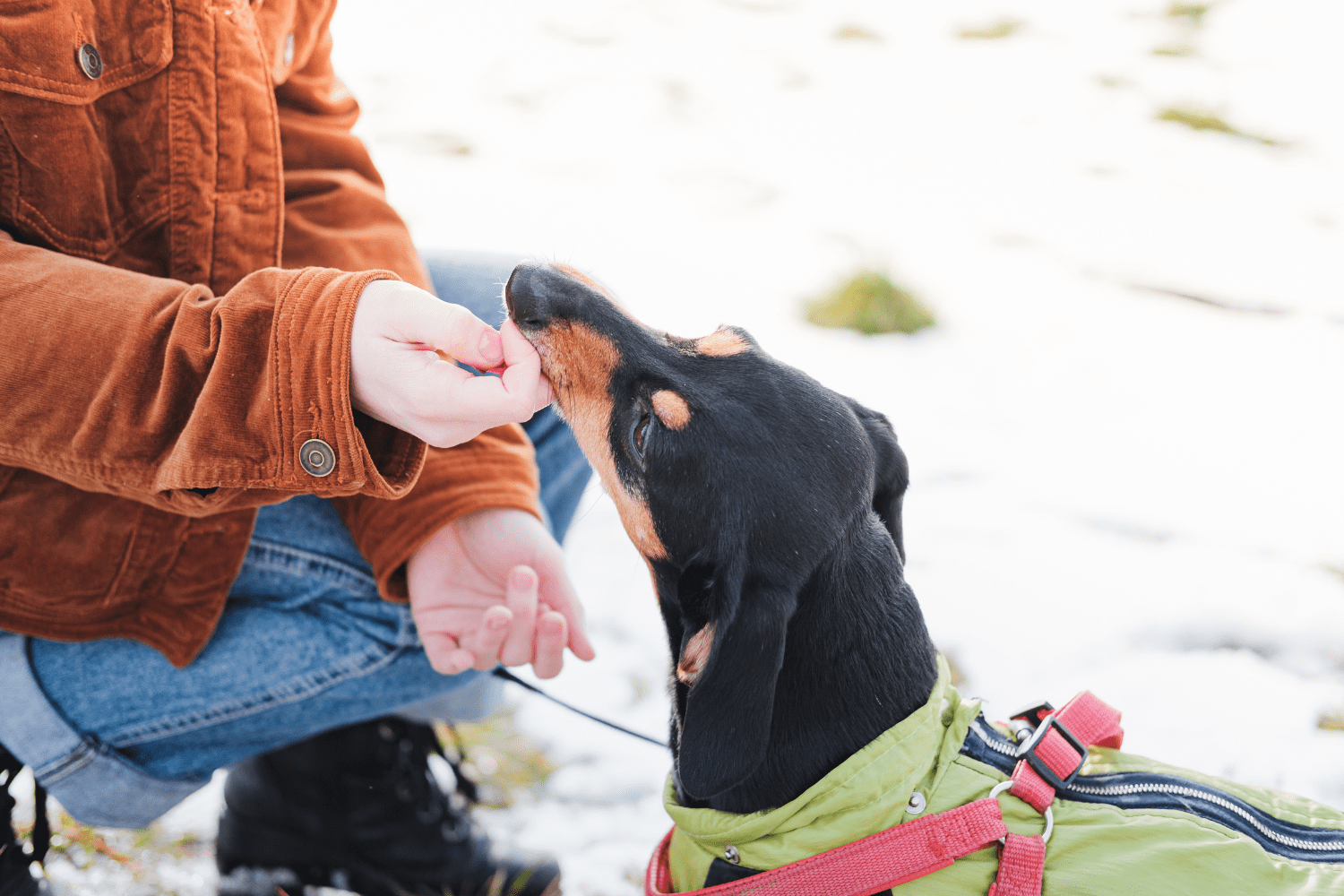
- Let your dog come to you. Dogs Trust suggests stroking the chest or shoulders for three to four seconds, then pausing to see if they want more.
- Keep walks short and in the same place, so your dog can get their bearings.
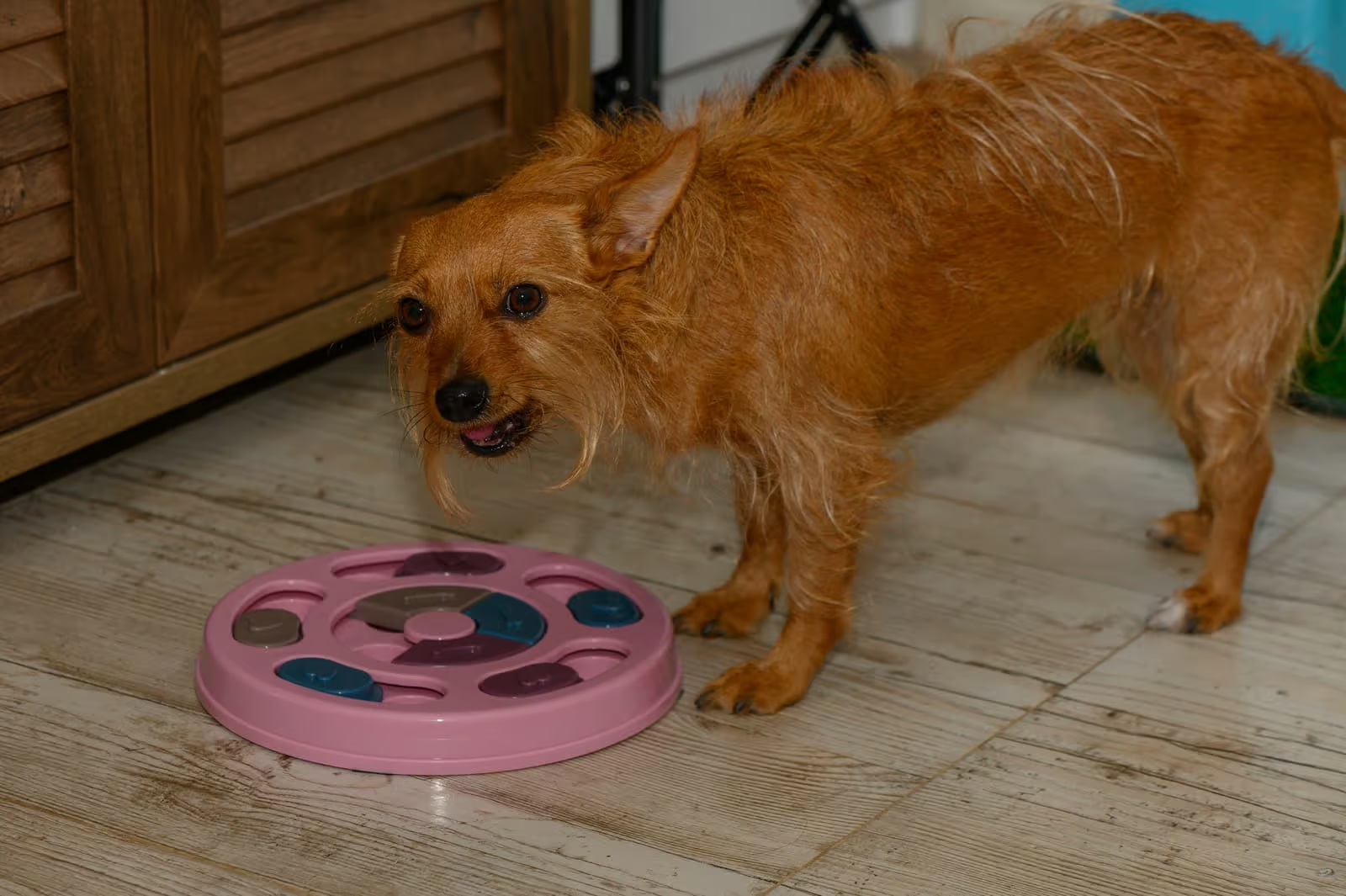
- Use calm food enrichment, such as a scatter feed or lick mat, which builds confidence without demanding interaction.
- Introduce other pets slowly and carefully.
- Hold off on classes, cafes and meeting the family.
Keep an eye on doors and gates, too. A worried dog in a new place may try to bolt, so check that your microchip details are up to date and your garden is secure. Sleep plays a big role. As our guide to how much rest a dog needs explains, the PDSA says dogs should get twelve to sixteen hours of sleep, and too little sleep is linked to more behaviour problems. So let your dog sleep and keep the household quiet while they do.
The first weeks: build a routine
Predictability is where trust starts. Regular times for meals, walks, and rest help your dog learn what comes next. That is the core of emotional enrichment, where a dog has to feel settled before they can truly engage with anything else. You may also see new behaviour at this stage. People often talk about a honeymoon period when a dog is quiet and careful, followed by more of their real character as they relax. Barking, chewing, house-training slips, or worry when left are common. They rarely mean anything has gone wrong. Dogs Trust suggests keeping a settling-in diary for the first three months to make it easier to see patterns and progress. This is the time to start reward-based basics in short, easy sessions and to practise leaving your dog for very brief spells. Build up slowly. The RSPCA reports research suggesting half of dogs who struggle when left show no obvious signs, so do not assume a quiet dog is a happy one.
The first months: confidence grows
The popular 3-3-3 rule describes three days to decompress, three weeks to settle into routine, and three months to feel at home. It is a helpful guide but not a deadline. Many dogs need longer, particularly if they have had a difficult start, and there is nothing wrong with a dog who takes their time. Gradually widen your dog's world one new thing at a time and watch how they are afterwards. Calm and curious means you are at the right pace. Clingy, restless, or unable to sleep means go back a step. A dog with an unknown past may have fears you could not predict, and patience is worth more than pushing through. Our article Fearful Dogs: How Enrichment and Patience Build Confidence is a good next read if your dog is nervous.
Common settling-in worries
My rescue dog will not eat. Should I worry?
Many dogs eat little at first because of stress. Offer their usual food in a quiet place and leave them to it. Call your vet if they have not eaten after one or two days or if they seem unwell.
Where should my rescue dog sleep on the first night?
Choose a warm, quiet spot and show them the bed during the day. If your dog gets distressed when alone, sleep nearby at first and gradually move away. Ask your rescue for advice on your dog.
When can I start training?
Gentle, reward-based training can begin once your dog is eating, sleeping, and taking an interest in you. Short sessions build your bond. Anything that needs real concentration can wait until they are settled.
When to ask for help
Ask for support sooner rather than later if your dog is frightened, reactive, guarding things, or unable to cope when left. Your rescue should be your first call, and a vet check is sensible for any sudden change. Our training for anxious dogs includes rescue dogs with unknown pasts who need careful handling and consistent trust-building before progress can happen. When you need care for your dog, do not rush it. Our boarding journey for nervous and first-time dogs starts with a Confidence Stay, so we can get to know them first. To talk through your dog's needs, contact us.
Continue reading: Resource Guarding in Dogs: Building Social Safety.
About Royvon
Enrichment Based Dog Boarding
Our calm, structured environment is built for dogs who need more than a standard kennel.
Dog BoardingLeading Dog Training
A structured residential dog training programme where your dog lives with our expert team, building calm behaviour, reliable obedience and real-world confidence that lasts beyond their stay.
Dog Training
Royvon News & Enrichment Advice
Recent Posts Regarding Enrichment

Book With Peace Of Mind Today - Limited Places Available


Specialist care, structured training, and enrichment-led boarding designed to help dogs feel calm, confident and understood. 30,000+ completed residential training programmes; 200,000+ dogs cared for in total, including boarding, since 1959.
Existing Customer?
Log In


© Copyright 2026 Royvon. All Rights Reserved.
Licensed by Merthyr Tydfil County Borough Council with the reference AB 0001. Licensed by Surrey County Council with the reference LN/201800796.
Social Media: