

Dog Training
My Dog Keeps Stealing Things: Why It Happens and What Actually Works
👤
Author: Darren James
🕐
3 min read
📅
2017-06-05
My dog is a thief: what's going on and how to fix it
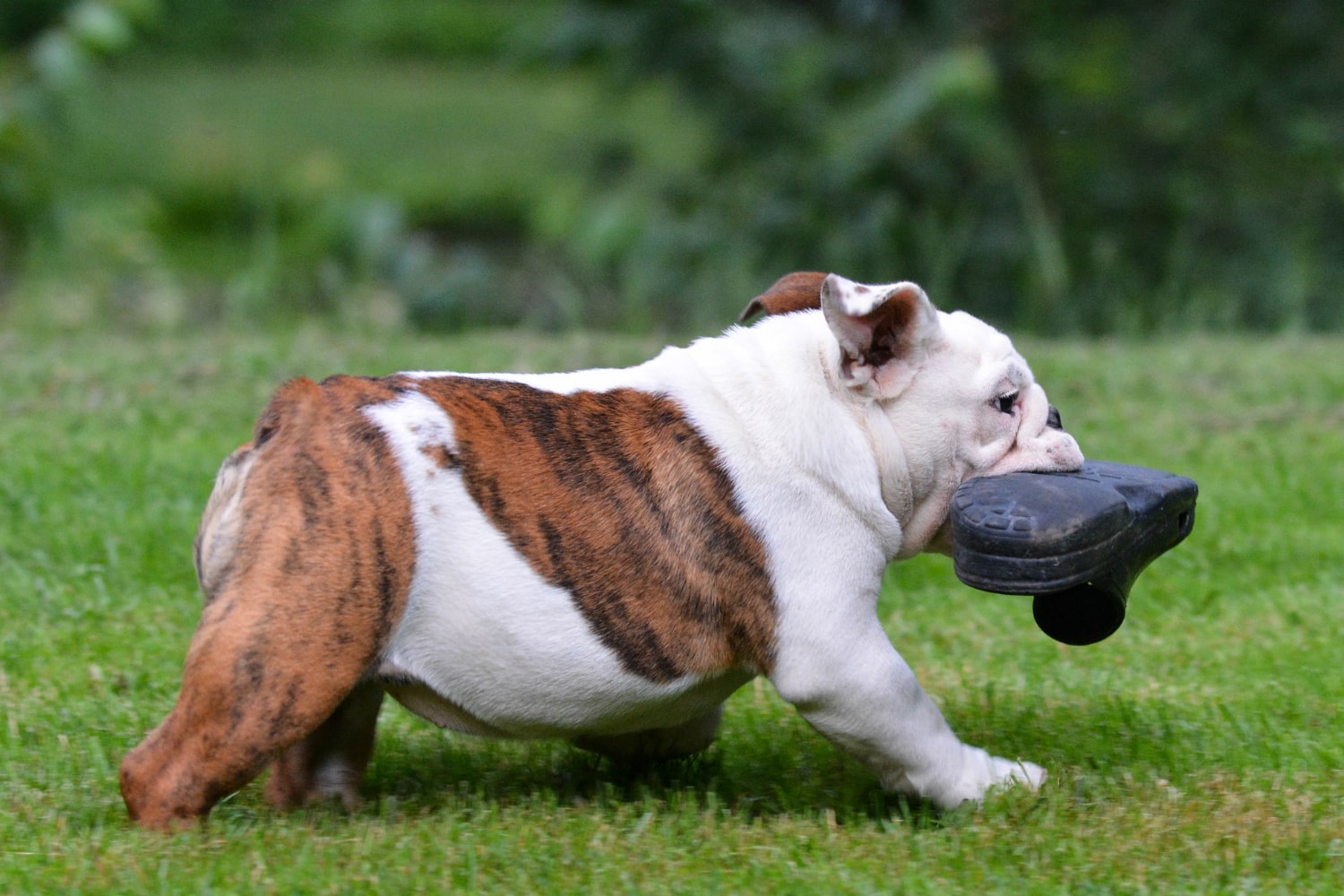
Owning a dog who steals socks or runs off with the remote is a headache, and chasing after them almost always makes it worse. In my experience, stealing is very often a cry for attention as much as anything else, boredom drives a lot of unwanted behaviour, and this is a classic example.
Why the chasing makes it worse
Every time you chase your dog for a stolen item, you're accidentally reinforcing exactly the behaviour you don't want, your dog learns that stealing your sock reliably gets your full attention, turning it into a genuinely fun game from their side. Ignoring it isn't a clean fix either, since it usually means the item gets destroyed instead.
What actually works
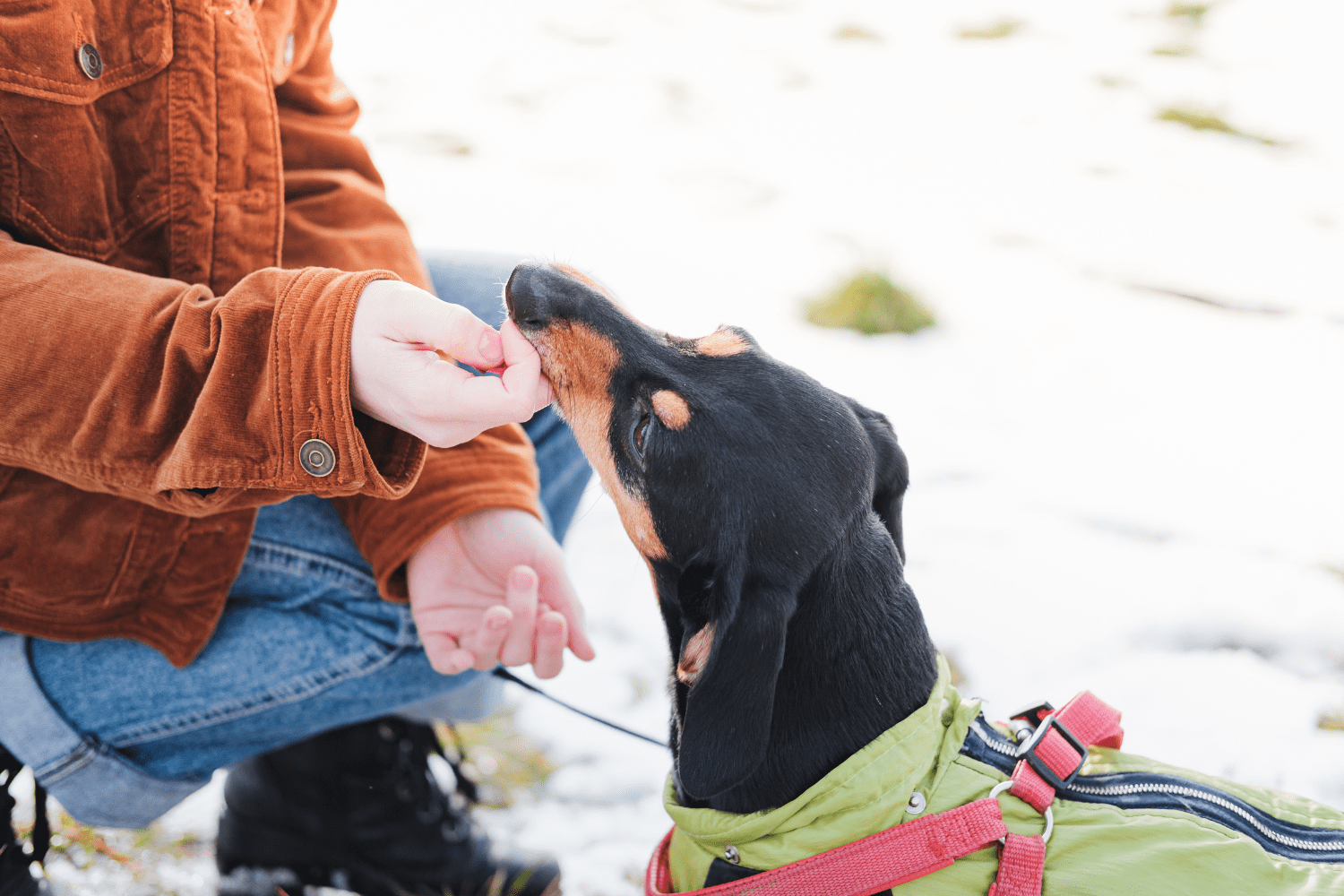
My advice is always to go after the dog, not the item. The moment you chase the object itself, you're telling your dog it's valuable, guaranteeing they'll steal it again. Instead, work on recall, it's just as useful in this exact situation as it is in the park. If your dog won't come for a treat or toy here, it's often because the "chase me" game has become far more rewarding than anything you're offering, which means you need to know specifically what your individual dog finds truly exciting, not just a generic treat.
The "precious item" trick
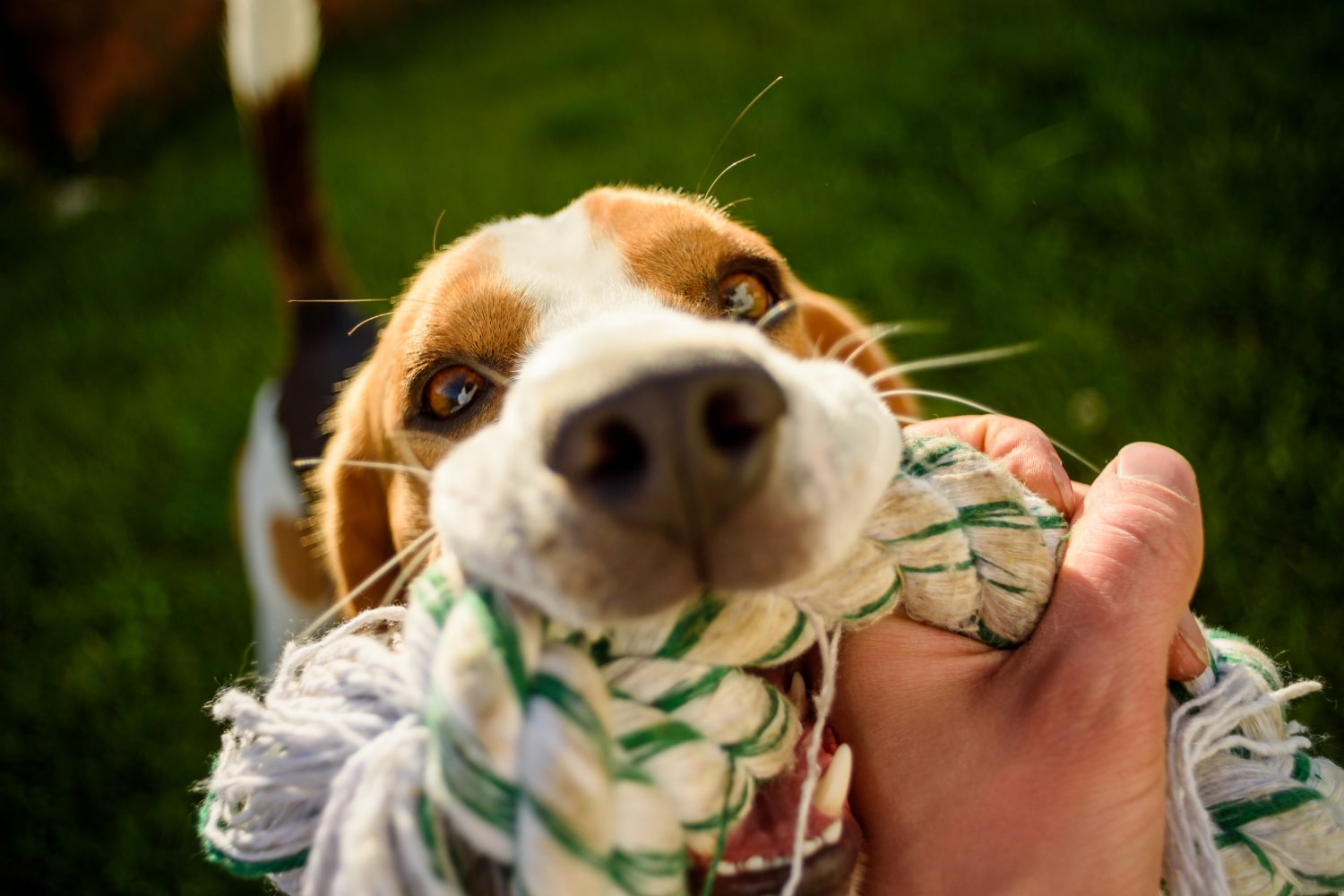
Teaching a solid "leave it" is a good foundation, rewarded generously when your dog disengages from an item. But when that falls on deaf ears, I've found mirroring your dog's own behaviour works well: act as though whatever you're holding, a piece of chicken, a favourite toy, is something fragile and precious, cradling it like you're protecting something delicate. Call your dog over and let them see you guarding it. Making it harder to access makes it more appealing, and suddenly the chase reverses, your dog wants to chase you instead. Doling out small pieces at a time (if it's food) or playing with a toy rather than handing it over outright keeps this working.
Finishing the interaction properly
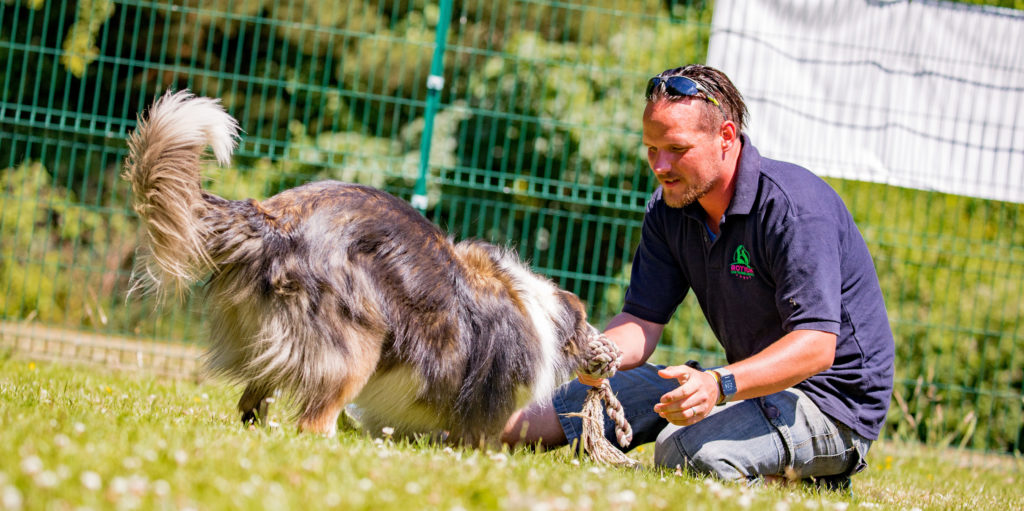
Once you've built enough distance from the original stolen item to retrieve it safely, don't end the game abruptly, your dog will quickly cotton on and either race back to the item or refuse to leave it next time. Carry on playing a little longer after the item's been put away, remembering that the root need here is attention and stimulation, so give them a genuine bit of fun rather than ending things the moment you've won.
Preventing it long term
Simple management goes a long way: shoes in a cupboard, the remote up high, whatever gets targeted repeatedly. Since boredom is usually the underlying driver, regular exercise and mental games, the classic three-cup hide-the-treat game, scent searches, teaching new tricks, all help meet the need that stealing was filling in the first place. Our regular Dog Clubs at Royvon, or a local agility club, give a bored dog somewhere structured to put that energy.
Getting the right support
See also our guide on building reliable recall. Visit our website or get in touch to find the right training option for your dog. Learn more about our behaviour training programme and our cognitive enrichment hub and Understanding and Channelling a Hyperactive Dog's Energy.
About Royvon
Enrichment Based Dog Boarding
Our calm, structured environment is built for dogs who need more than a standard kennel.
Dog BoardingLeading Dog Training
A structured residential dog training programme where your dog lives with our expert team, building calm behaviour, reliable obedience and real-world confidence that lasts beyond their stay.
Dog Training
Royvon News & Enrichment Advice
Recent Posts Regarding Enrichment
Book With Peace Of Mind Today - Limited Places Available


Specialist care, structured training, and enrichment-led boarding designed to help dogs feel calm, confident and understood. 30,000+ completed residential training programmes; 200,000+ dogs cared for in total, including boarding, since 1959.
Existing Customer?
Log In


© Copyright 2026 Royvon. All Rights Reserved.
Licensed by Merthyr Tydfil County Borough Council with the reference AB 0001. Licensed by Surrey County Council with the reference LN/201800796.
Social Media: