

Training
Using Movement to Motivate Your Dog
👤
Author: Darren James
🕐
3 min read
📅
Using movement to motivate your dog
Some owners are noticeably better at dog training than others, and it usually comes down to two things: the method and how well that method is applied. A solid relationship of trust with your dog matters more than either; without it, movement and rewards won't carry much weight, and that relationship is a lifelong, constantly developing thing rather than a one-off achievement, the same foundation covered in our puppy training philosophy.
Why movement works
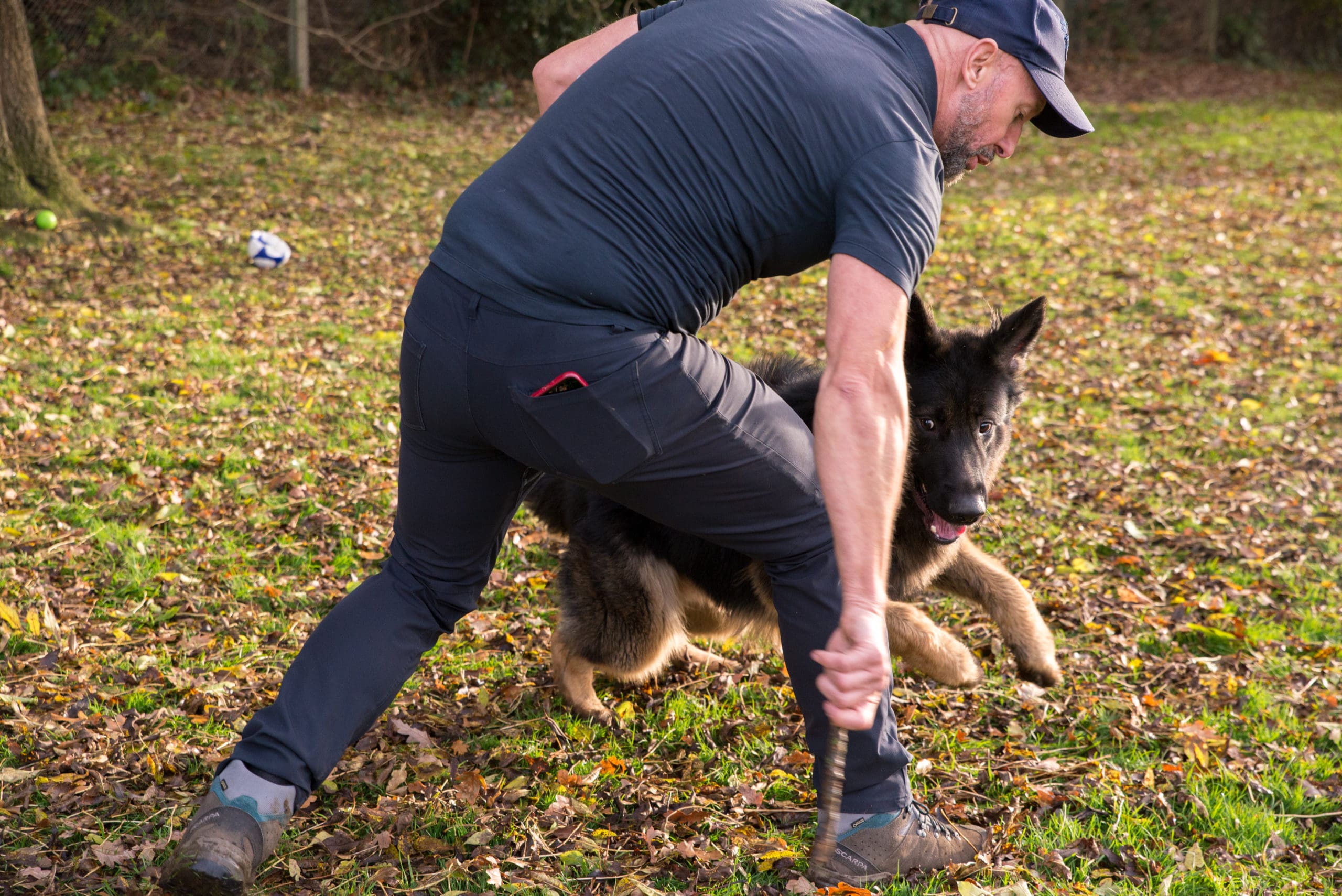
At Royvon, we use progressive, reward-based methods, and one of the most effective tools within that is movement. Most dogs are genuinely stimulated by it, their origins involve movement of some kind, hunting, running, working, so using body movement to keep a dog engaged tends to work very well. Each movement should function as a stimulus: to attract your dog's attention, to distract them from something else in the environment, or to reward their focus on you.
Types of movement worth trying
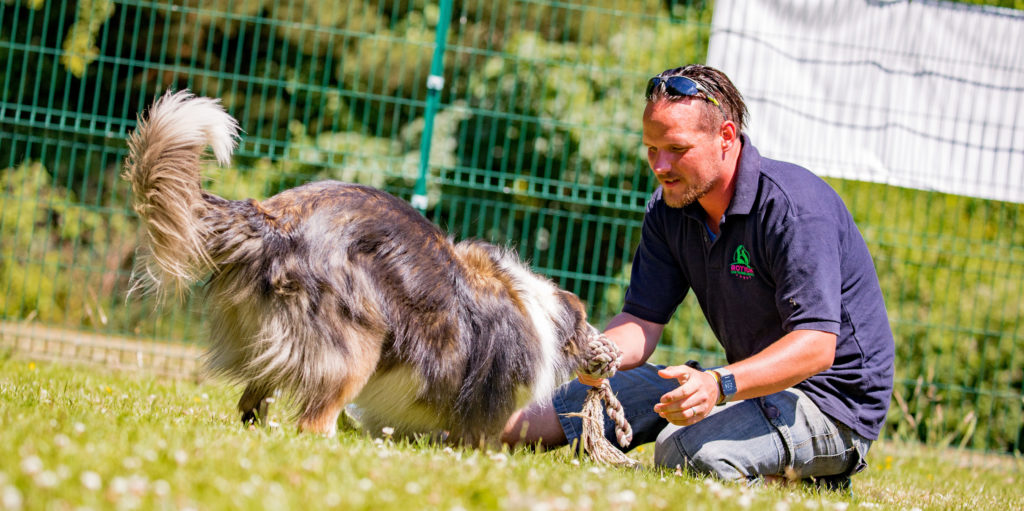
Ducking and diving, picking up speed suddenly, changing direction sharply, running away from your dog, and hiding briefly all tap into the same instincts that make chase and prey-drive games so naturally engaging; movement that mimics something worth pursuing tends to get a much stronger response than movement for its own sake. Which of these lands best varies a lot between individual dogs, so it's worth trying several before settling on a favourite.
How we combine it with other things
Movement rarely works best in isolation. Our trainers typically motivate dogs with several things happening at once: movement alongside another stimulus, used before it or after it, the same layered approach is behind our guide to the importance of play. Take clapping as an example: on its own, it might do nothing, or even startle a dog, but paired consistently with something the dog already likes, it becomes a truly useful part of your training toolkit.
Making it work for your dog specifically
Different dogs respond to different combinations of movement, and it takes some trial and error to find what motivates yours. The important thing is using movement strategically, alongside other stimuli or as a reward for good behaviour, so it never becomes background noise your dog stops responding to. Staying tuned in to what actions and movements produce really positive responses from your dog lets you build a strategy specific to them, part of our wider cognitive enrichment approach.
Getting the right support
If you'd like to learn how to use movement in training in more depth, get in touch. Part of our residential training programme, we have sessions to suit most needs and budgets.
About Royvon
Enrichment Based Dog Boarding
Our calm, structured environment is built for dogs who need more than a standard kennel.
Dog BoardingLeading Dog Training
A structured residential dog training programme where your dog lives with our expert team, building calm behaviour, reliable obedience and real-world confidence that lasts beyond their stay.
Dog Training
Royvon News & Enrichment Advice
Recent Posts Regarding Enrichment
Book With Peace Of Mind Today - Limited Places Available


Specialist care, structured training, and enrichment-led boarding designed to help dogs feel calm, confident and understood. 30,000+ completed residential training programmes; 200,000+ dogs cared for in total, including boarding, since 1959.
Existing Customer?
Log In


© Copyright 2026 Royvon. All Rights Reserved.
Licensed by Merthyr Tydfil County Borough Council with the reference AB 0001. Licensed by Surrey County Council with the reference LN/201800796.
Social Media: