

Enrichment
Play as Enrichment: Why It's the Missing Piece in Dog Training
👤
Author: Darren James
🕐
3 min read
📅
The importance of play for your dog
Every owner wants a well-behaved, happy dog, and play is one of the steps to getting there that's most often overlooked. The most common issue we see at Royvon is a puppy who used to listen well but stops as they mature into an adult, meaning they end up constantly on the lead because it's not safe to let them off it. Dogs missing this kind of enrichment can go on to develop real behavioural problems: reactivity, aggression, separation anxiety among them.
Why play gets missed
Most advice on raising a well-trained dog barely mentions play, so it tends to be only serious training enthusiasts and experienced owners who pick up on its importance. Everyone else is left wondering where they went wrong when they see other people's well-trained dogs out and about.
Play versus formal exercises
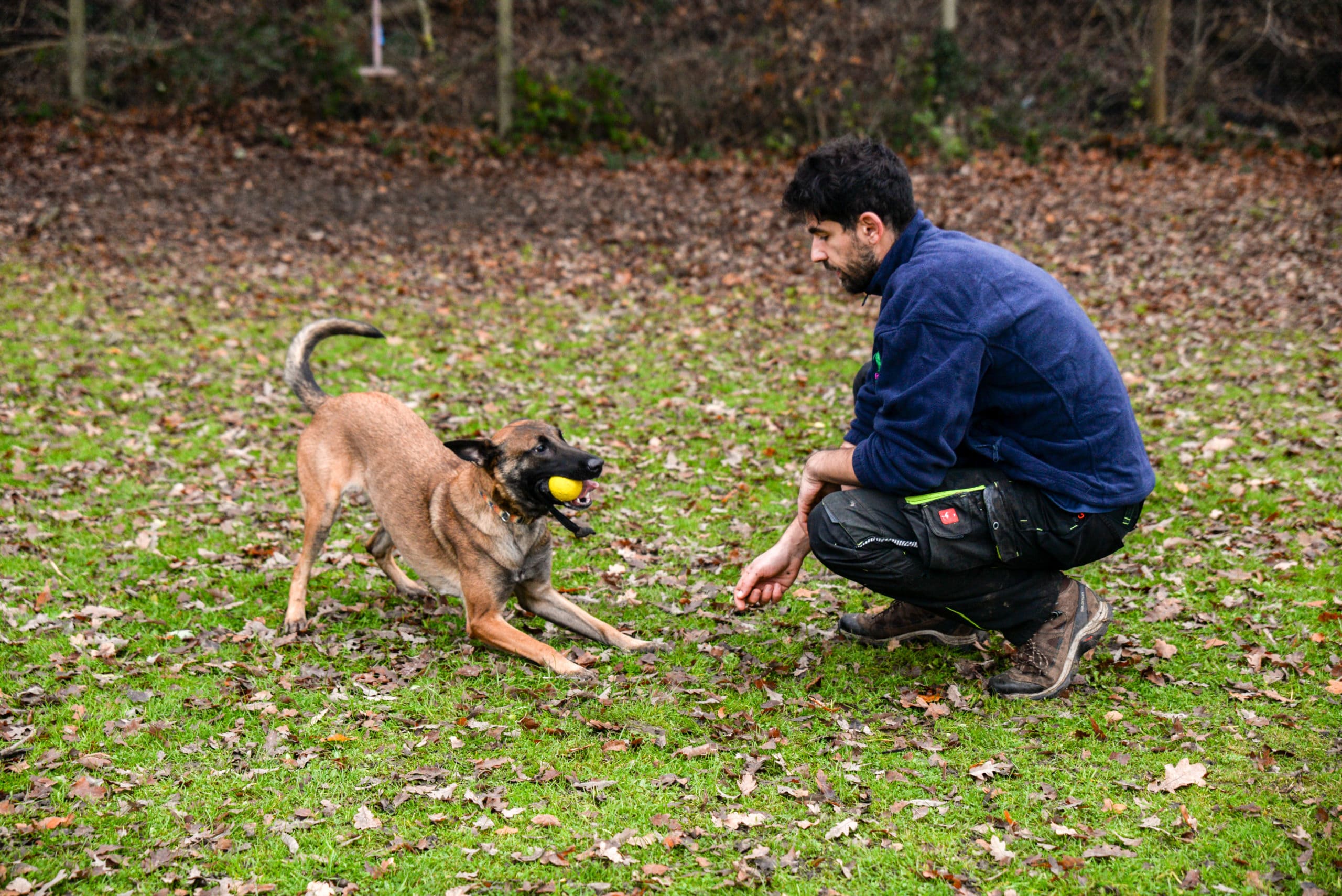
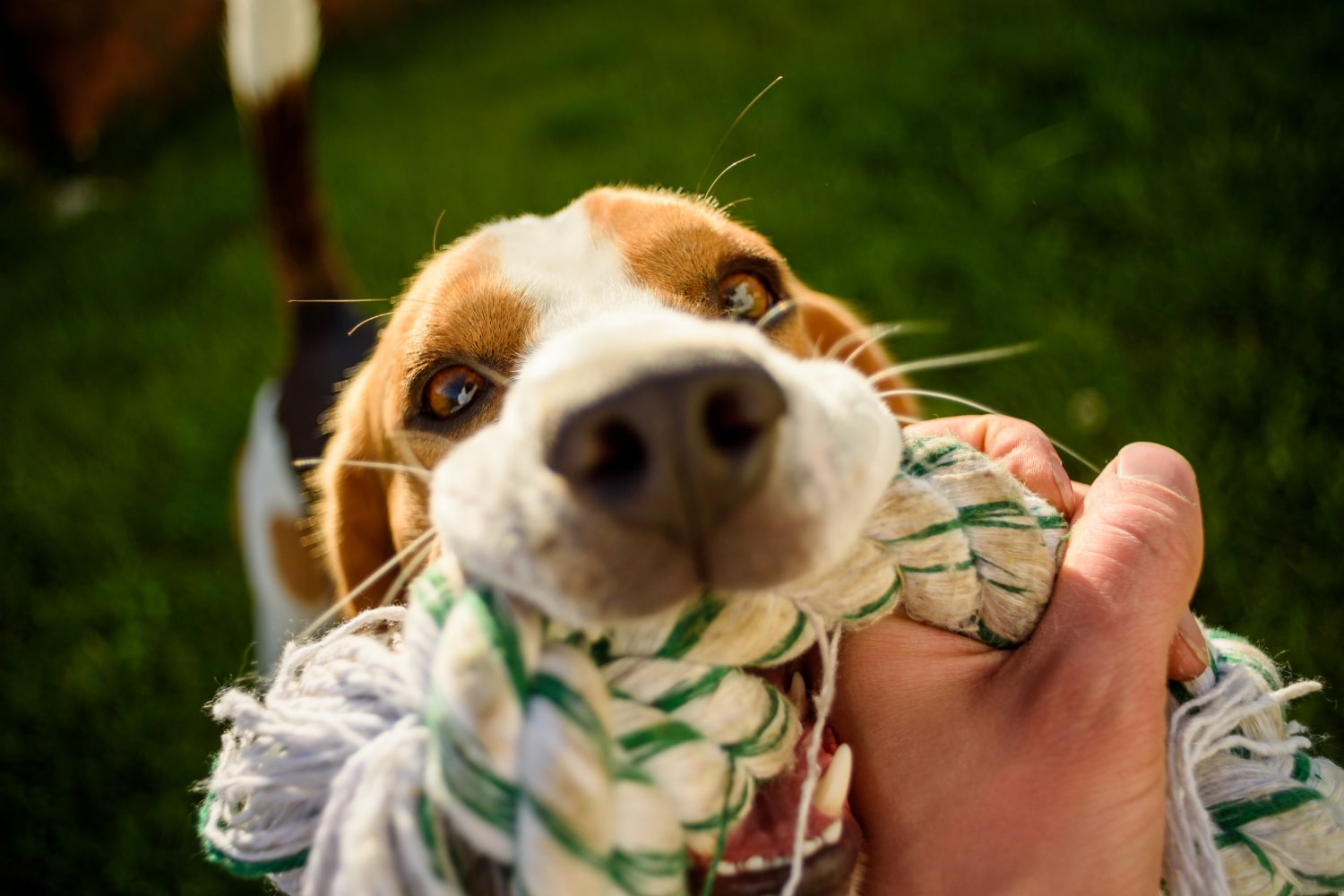
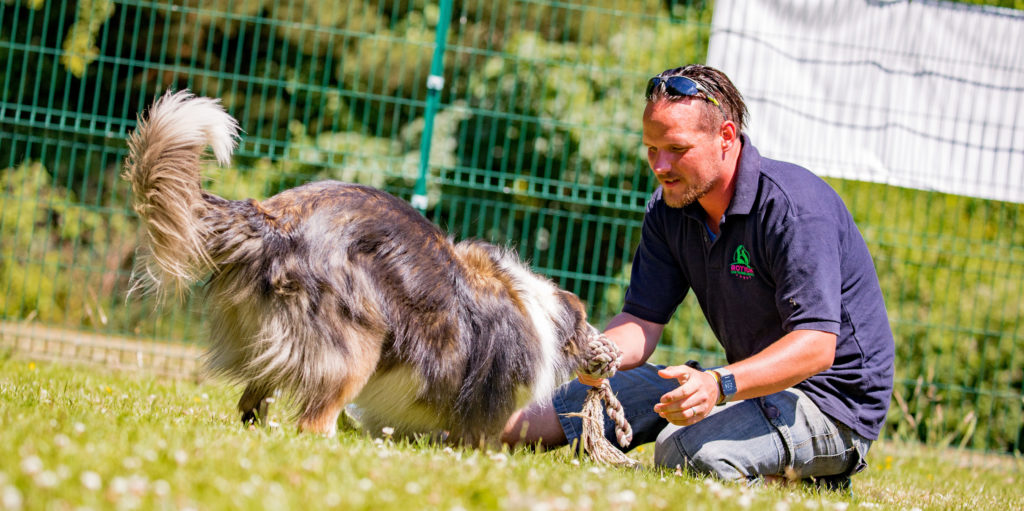
Owners keen to train their dogs often do endless formal exercises with very little playtime, and dogs find this boring. The typical result is that as soon as your dog sees another dog or open space, they're off to get the play they're missing, and it becomes progressively harder to get them to listen because they're not getting the mental enrichment they need from you specifically. Dogs have a natural instinct to play, they just don't always know how to do it appropriately, and that's something we have to teach them. We recommend games that build recall and focus specifically, food games and toy games work well, and movement can be layered in too (see our guide on using movement to motivate your dog).
Play as a training tool, not just affection
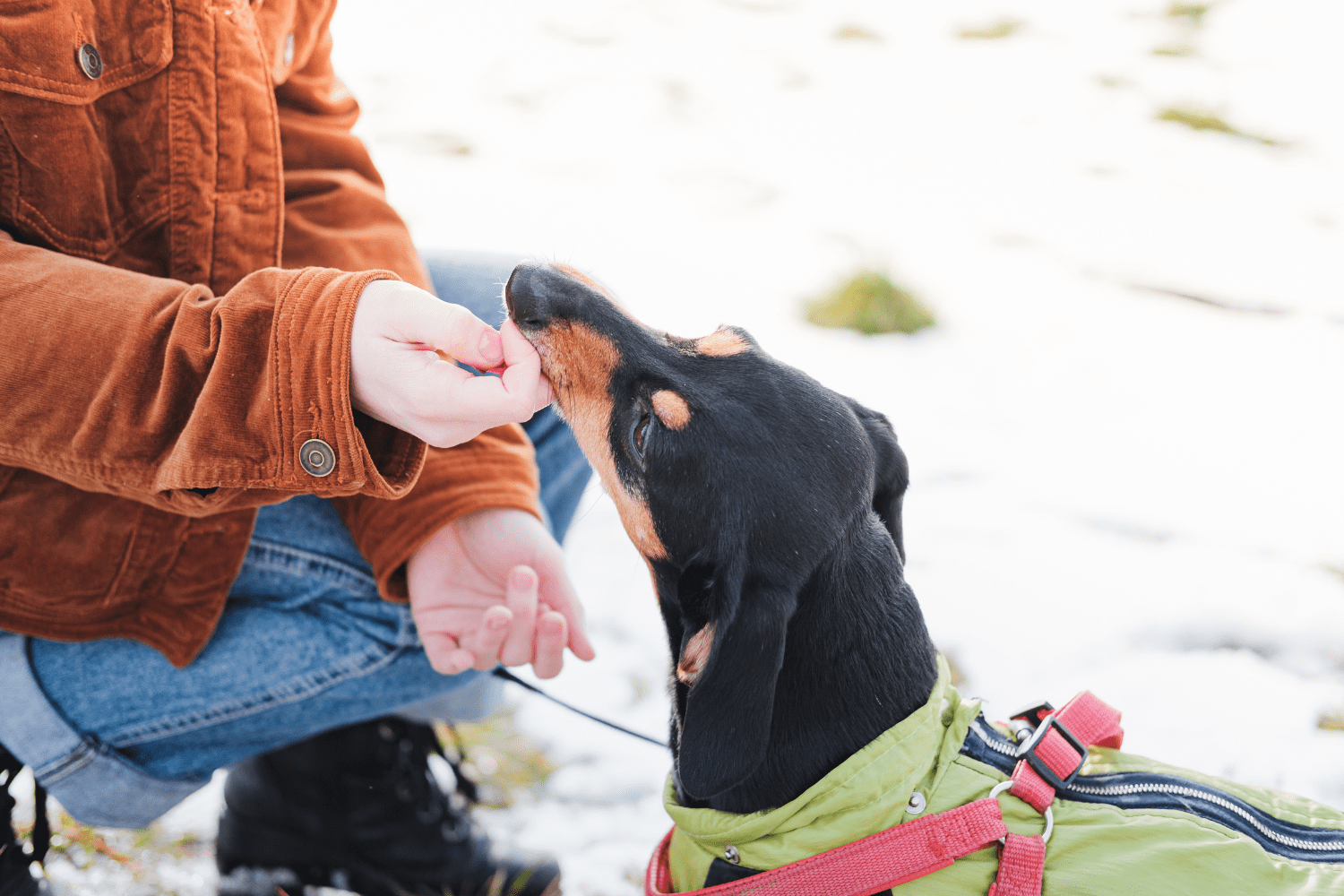
Owners naturally want to shower their dogs with love, and that's never a bad thing, but combining that love with play teaches your dog they don't get rewards for free. With play, they work for it: chasing, catching a treat, tug of war, following you, and you can fold in formal cues like sit and stay along the way, so the activity itself becomes the reward.
How this connects to residential training
Our main residential customers are people whose life with their dog has become genuinely difficult, needing intensive expert training to resolve, almost always down to an ineffective early environment rather than anything the owner did wrong deliberately. Dogs and owners who build in the essentials, including play, early on very rarely need residential training at all. That said, it's not something we can teach through an article alone, the right kind of play depends on the individual dog, just as it would for a person, and we're always happy to work through it with you in a session tailored to your dog.
Getting the right support
We offer routes to suit most situations, puppy classes, one-to-one sessions, or our residential programme, get in touch to find out which is right for you and your dog. Learn more about our residential training programme and our emotional enrichment hub. Also see Using Movement to Motivate Your Dog and Royvon's Puppy Training Philosophy: An Enrichment-Led Approach.
About Royvon
Enrichment Based Dog Boarding
Our calm, structured environment is built for dogs who need more than a standard kennel.
Dog BoardingLeading Dog Training
A structured residential dog training programme where your dog lives with our expert team, building calm behaviour, reliable obedience and real-world confidence that lasts beyond their stay.
Dog Training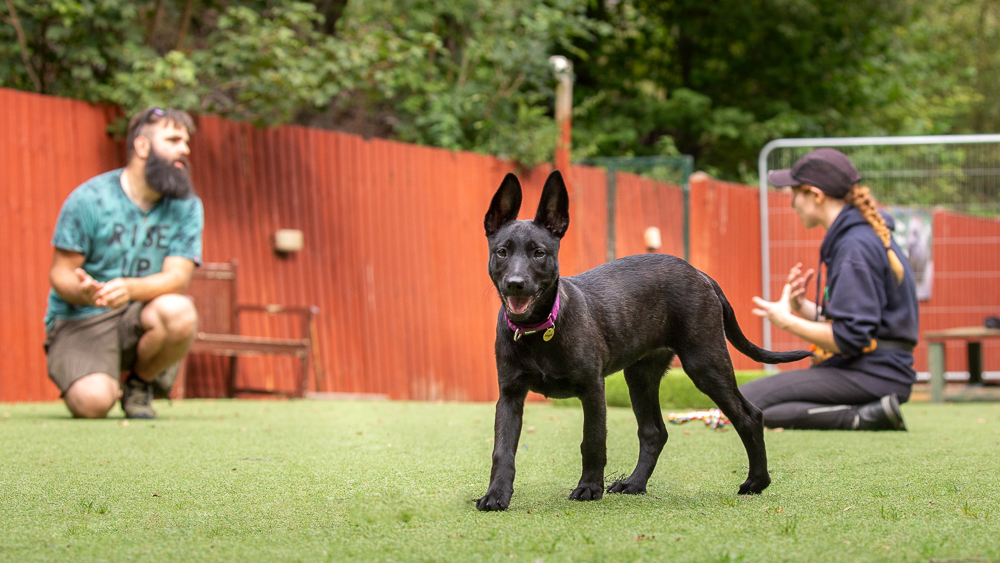
Royvon News & Enrichment Advice
Recent Posts Regarding Enrichment
Book With Peace Of Mind Today - Limited Places Available


Specialist care, structured training, and enrichment-led boarding designed to help dogs feel calm, confident and understood. 30,000+ completed residential training programmes; 200,000+ dogs cared for in total, including boarding, since 1959.
Existing Customer?
Log In


© Copyright 2026 Royvon. All Rights Reserved.
Licensed by Merthyr Tydfil County Borough Council with the reference AB 0001. Licensed by Surrey County Council with the reference LN/201800796.
Social Media: