

Dog Breeds
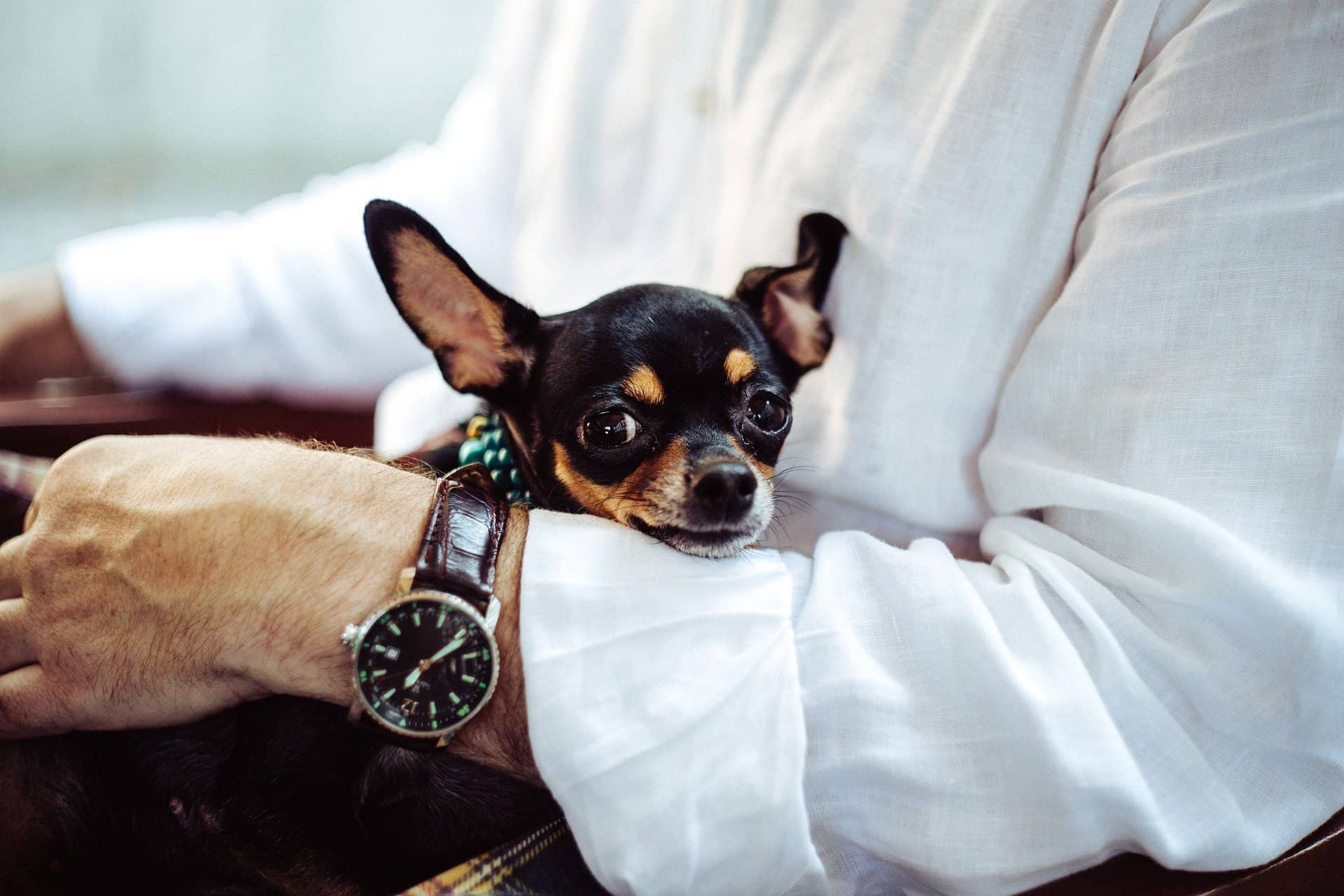
Chihuahua Training: Building Confidence in a Small Package
👤
Author: Darren James
🕐
3 min read
📅
2023-05-09
Chihuahua training: how to raise a confident companion
Chihuahuas belong to the Kennel Club's Toy breed group and need surprisingly little grooming, once a week is genuinely enough, even for the long-coated variety, according to Kennel Club guidance. They're affectionate, food-motivated lap dogs who tend to stick close to their owner, which makes them easy to take almost anywhere, the car, public transport, the office, but training still matters if you want a truly well-behaved dog rather than just a portable one.
Common challenges with this breed
Like many toy breeds, Chihuahuas can be really difficult to house-train, a correctly sized crate (not oversized, since dogs avoid toileting where they sleep) combined with frequent trips outside works better than puppy pads scattered around the house. Their small bladders mean frequent toilet breaks are simply part of owning one. They're also naturally alert and can bark at anything unfamiliar, teaching a reliable "quiet" cue and solid recall helps keep this manageable. Being so small, they're fragile around bigger dogs and can be nervous in loud or crowded situations, so early, gradual socialisation matters more than it might for a larger, more robust breed.
Building confidence around bigger dogs
A Chihuahua that's unsure of larger dogs benefits from the same distance-based approach used for any nervous dog, start well back from a calm, appropriately behaved bigger dog, reward for staying settled, and reduce the distance gradually only as your dog copes well. Teaching them to walk confidently past a bigger dog on the lead, rather than lunging, barking or bolting, is a specific skill worth practising deliberately rather than hoping it resolves on its own.
Training techniques that work well
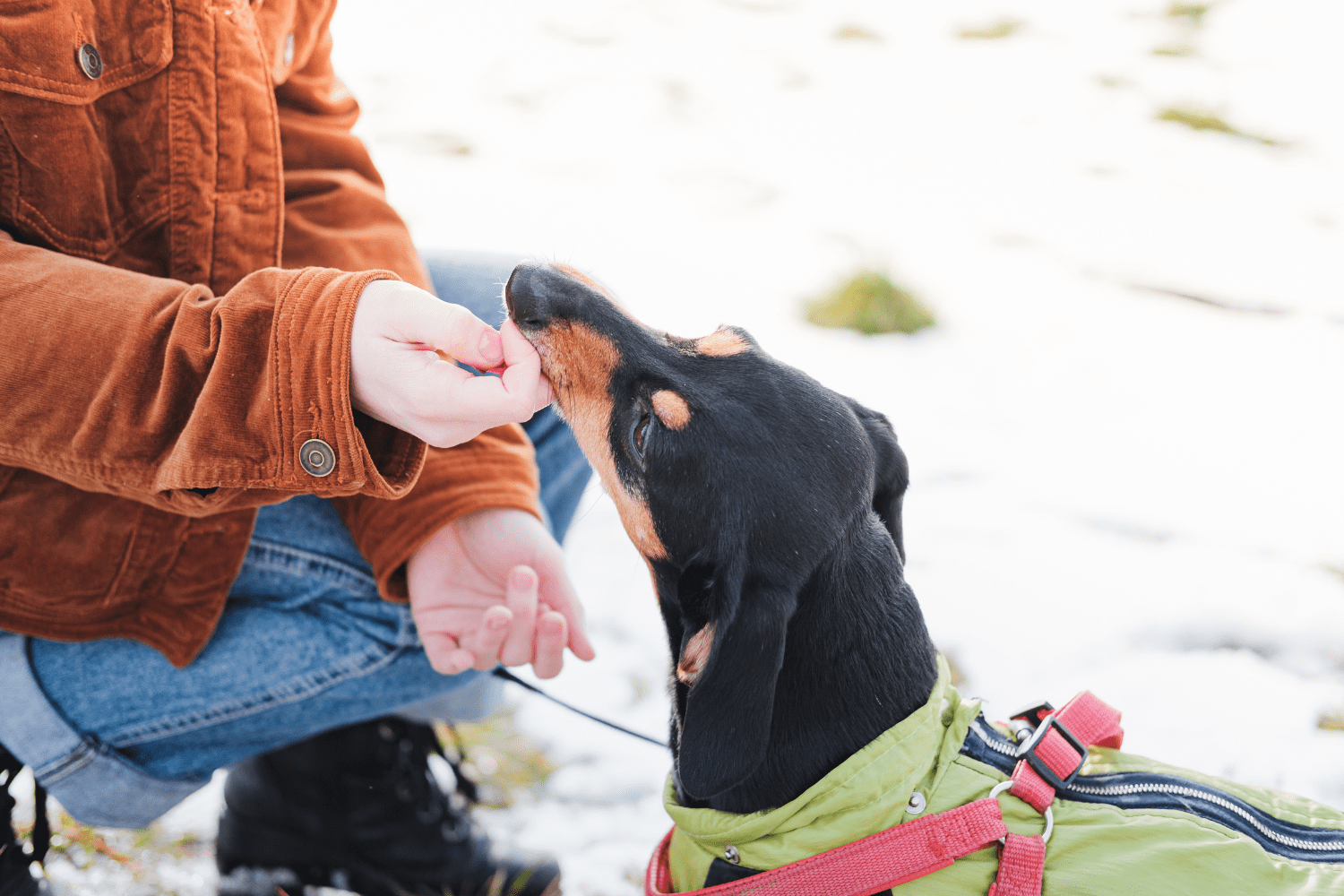
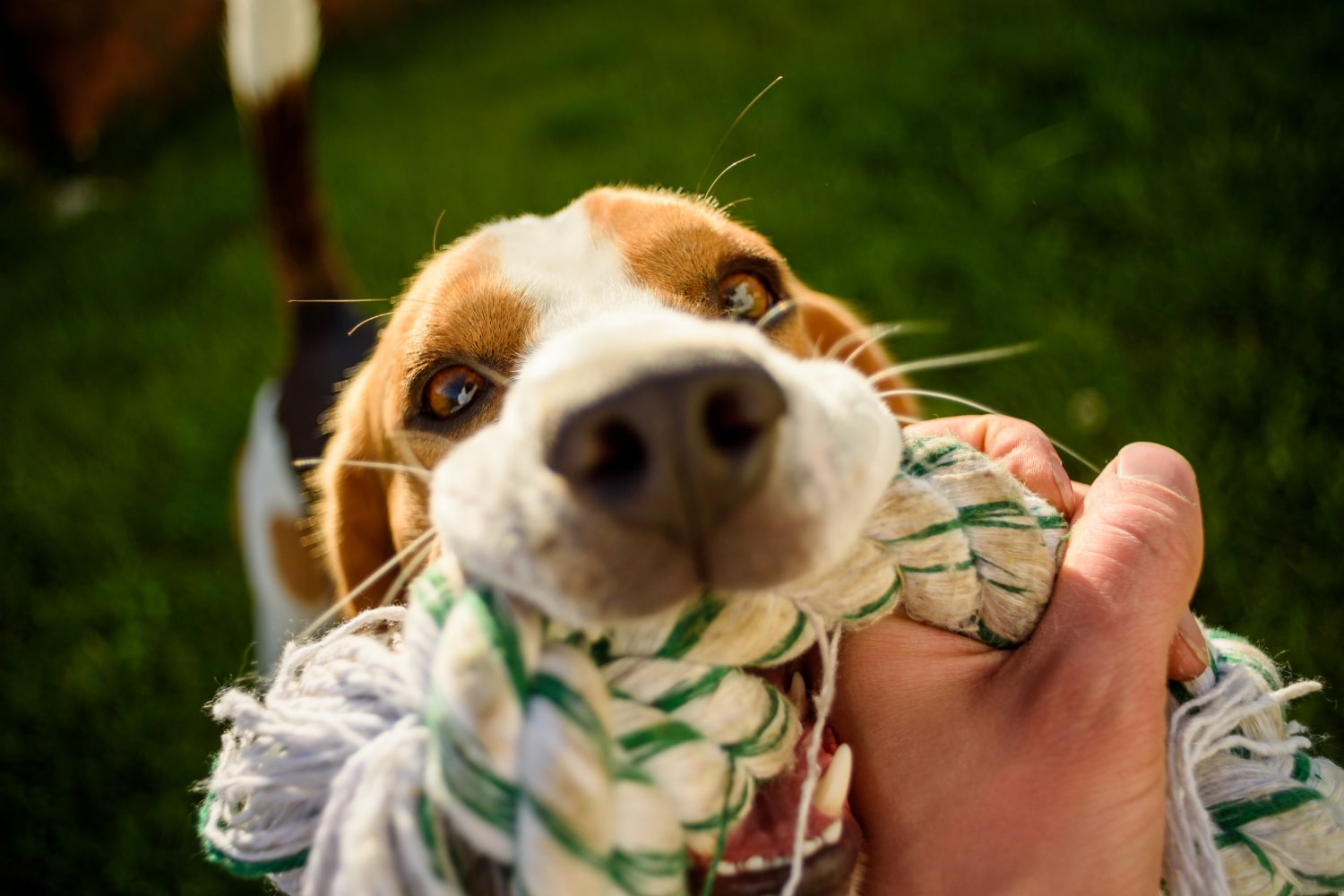
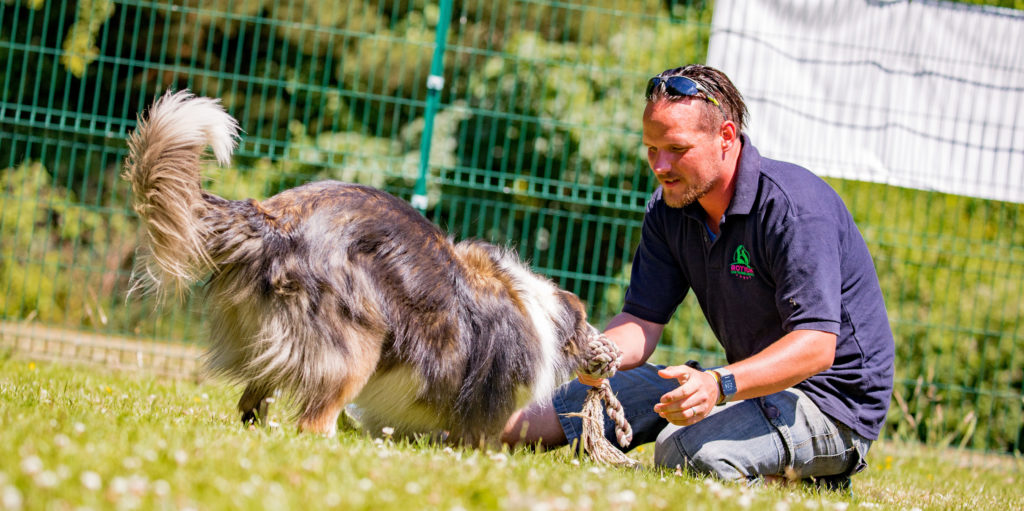
Nose-touch exercises, teaching your dog to touch your hand for a reward, help build positive associations with strangers reaching toward them, starting in low-distraction settings before practising around new people. Low, simple agility obstacles at home, a couple of low jumps or a low balance beam, build confidence surprisingly well for a breed this small, and double up nicely as a low-impact way to burn off their surprising amount of energy. Flirt poles and toys on a string make great low-impact play and reward tools too.
Loose lead walking and learning to be alone
Loose-lead training matters especially for this breed since constant pulling can damage their small, sensitive necks, a harness combined with rewarding calm positioning indoors before moving outside works well, the same principle behind our guide on teaching loose lead walking. It's also worth resisting the urge to carry them everywhere, Chihuahuas still need to learn to walk and toilet independently outdoors like any other dog. Because they're such loyal, people-focused dogs, time alone often needs deliberate practice too, building up short absences gradually, and a good walk beforehand makes settling much easier while you're out.
A real Royvon case study
Teddy, a Chihuahua who came to Royvon, showed the nervous aggression that's fairly common in this breed, and made real progress with the right, patient training approach, part of our wider emotional enrichment work.
Getting the right support
Get in touch to find out about our residential Chihuahua training programme. See also our guide on crate training your puppy if house training is your main concern right now.
About Royvon
Enrichment Based Dog Boarding
Our calm, structured environment is built for dogs who need more than a standard kennel.
Dog BoardingLeading Dog Training
A structured residential dog training programme where your dog lives with our expert team, building calm behaviour, reliable obedience and real-world confidence that lasts beyond their stay.
Dog Training
Royvon News & Enrichment Advice
Recent Posts Regarding Enrichment
Book With Peace Of Mind Today - Limited Places Available


Specialist care, structured training, and enrichment-led boarding designed to help dogs feel calm, confident and understood. 30,000+ completed residential training programmes; 200,000+ dogs cared for in total, including boarding, since 1959.
Existing Customer?
Log In


© Copyright 2026 Royvon. All Rights Reserved.
Licensed by Merthyr Tydfil County Borough Council with the reference AB 0001. Licensed by Surrey County Council with the reference LN/201800796.
Social Media: