


Behaviour Training, Dog Breeds, Dog Training Tips & Advice
Dachshund Training: Working With a Small Dog's Big Personality
👤
Author: Darren James
🕐
3 min read
📅
2026-02-21
Dachshund training guide
Small, lively and famously full of personality, the Dachshund (or "Sausage Dog") suits apartments and smaller homes well, though don't be fooled by the size, they still need proper exercise and, underneath that sweet look, a genuine terrier attitude, part of our wider breed-specific training approach.
What to expect from this breed
Dachshunds generally live happily with other dogs, often preferring other small breeds or fellow Dachshunds, but boredom or loneliness can quickly turn into destructive behaviour. They come in smooth, wirehair and long-haired coats across miniature and standard sizes, the smooth coat needs minimal grooming, while wirehair and long-haired varieties need regular brushing, and their low-to-the-ground build tends to pick up mud on a wet walk, worth keeping a towel by the door. They can be genuinely vocal, barking at approaching people or dogs, and like to chase and nip, so early, thorough socialisation matters for shaping this into manageable behaviour rather than reactivity.
Taming the barking, doorbell included
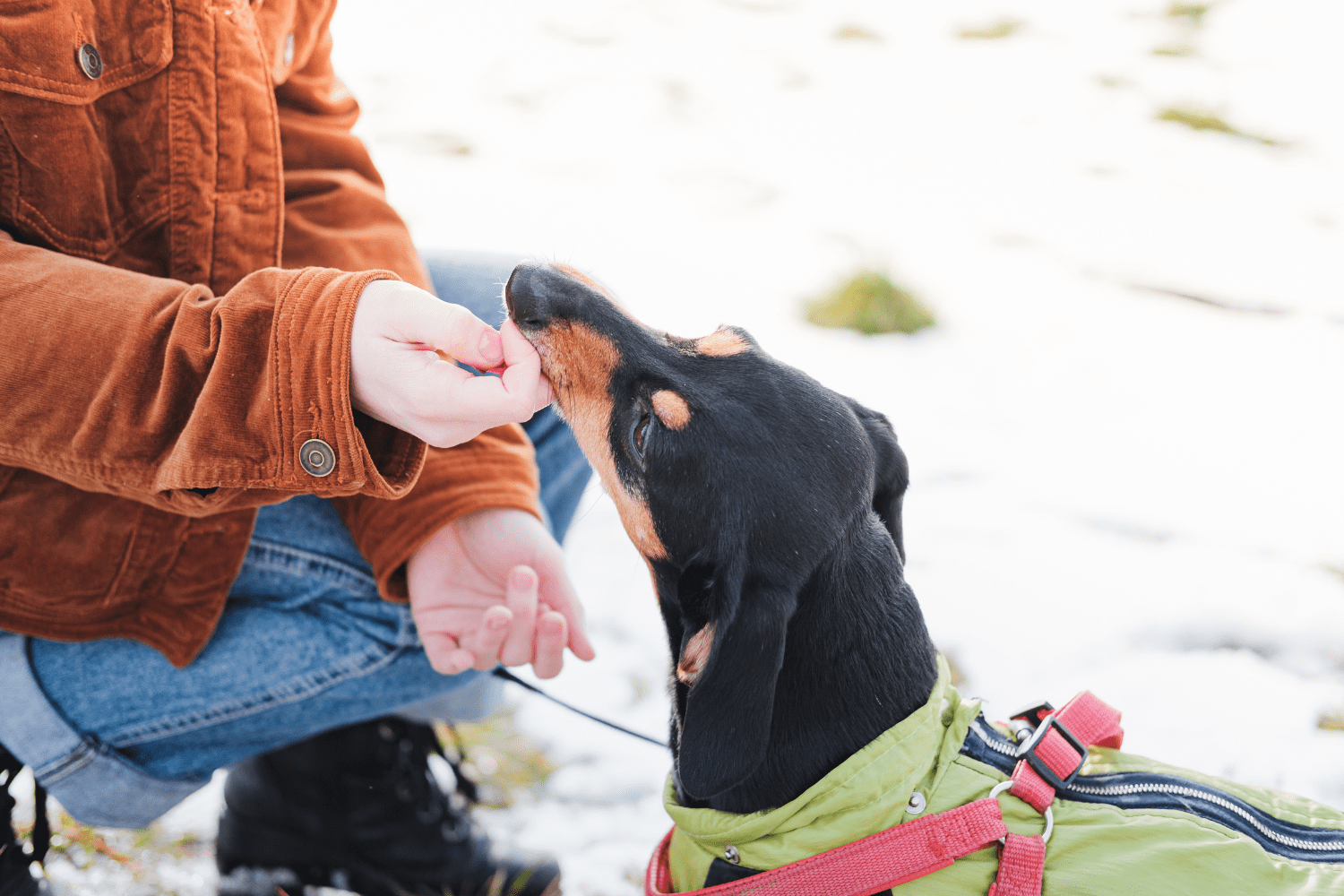
Doorbell reactivity is common enough in the breed to be worth tackling directly rather than accepting it as inevitable. Ring the bell yourself, or use a recording, at a volume low enough that your dog notices but doesn't react, pairing it with a treat each time, then gradually increase the volume over repeated short sessions. This changes your dog's association with the sound itself rather than just suppressing the reaction to a real visitor, and it works well alongside the sensory enrichment approach we take with vocal breeds generally.
Health considerations that matter for training
Dachshunds are prone to serious back problems, reportedly around one in four develop irreversible spinal issues, so choosing a breeder who health-tests thoroughly matters enormously, along with practical steps at home like using ramps or steps for the sofa rather than letting them jump. Miniature Dachshunds are also prone to eye conditions, looking for puppies bred from PRA-clear (Progressive Retinal Atrophy) parents reduces this risk.
Training approach and mental stimulation
This breed can be stubborn, so short daily sessions broken into small, achievable steps work better than infrequent long ones, and training is very much a lifetime process rather than something completed in a handful of sessions. Nose work games, hiding treats around a room or garden for your dog to sniff out, tap into the Dachshund's strong scenting instincts and tire them out mentally in a way a standard walk doesn't, useful given it's a common myth that small breeds don't need much exercise or enrichment. Rather than scooping up a nervous Dachshund, encouraging them through a stressful situation with praise and reward builds genuine coping skills rather than reinforcing the nervousness. Because they were bred to dig, a designated digging spot, a sandbox or a corner of the garden, gives that instinct somewhere appropriate to go rather than your flower beds. Small, low-calorie treats matter here too, Dachshunds gain weight easily, see our guide on Jack Russell training for another small breed with a similarly big personality.
Getting the right support
Contact us on 020 8819 7374 or [email protected] to find the right training option for your Dachshund. See also our guides on French Bulldog training and Chihuahua training if you're comparing small breeds.
About Royvon
Enrichment Based Dog Boarding
Our calm, structured environment is built for dogs who need more than a standard kennel.
Dog BoardingLeading Dog Training
A structured residential dog training programme where your dog lives with our expert team, building calm behaviour, reliable obedience and real-world confidence that lasts beyond their stay.
Dog Training
Royvon News & Enrichment Advice
Recent Posts Regarding Enrichment

Book With Peace Of Mind Today - Limited Places Available


Specialist care, structured training, and enrichment-led boarding designed to help dogs feel calm, confident and understood. 30,000+ completed residential training programmes; 200,000+ dogs cared for in total, including boarding, since 1959.
Existing Customer?
Log In


© Copyright 2026 Royvon. All Rights Reserved.
Licensed by Merthyr Tydfil County Borough Council with the reference AB 0001. Licensed by Surrey County Council with the reference LN/201800796.
Social Media: