

Dog Training
What Happens After a Residential Stay: Poppy's Story
👤
Author: Darren James
🕐
3 min read
📅
2021-03-02
What happens after your dog's residential training stay?
Our three-week residential programme genuinely helps with all sorts of situations, anxiety, aggression, or simply a lack of time to train consistently at home, but the work doesn't stop the moment your dog comes home. We work with every owner afterward to help the new skills stick and keep building, part of our wider residential training approach.
A real case study: Poppy
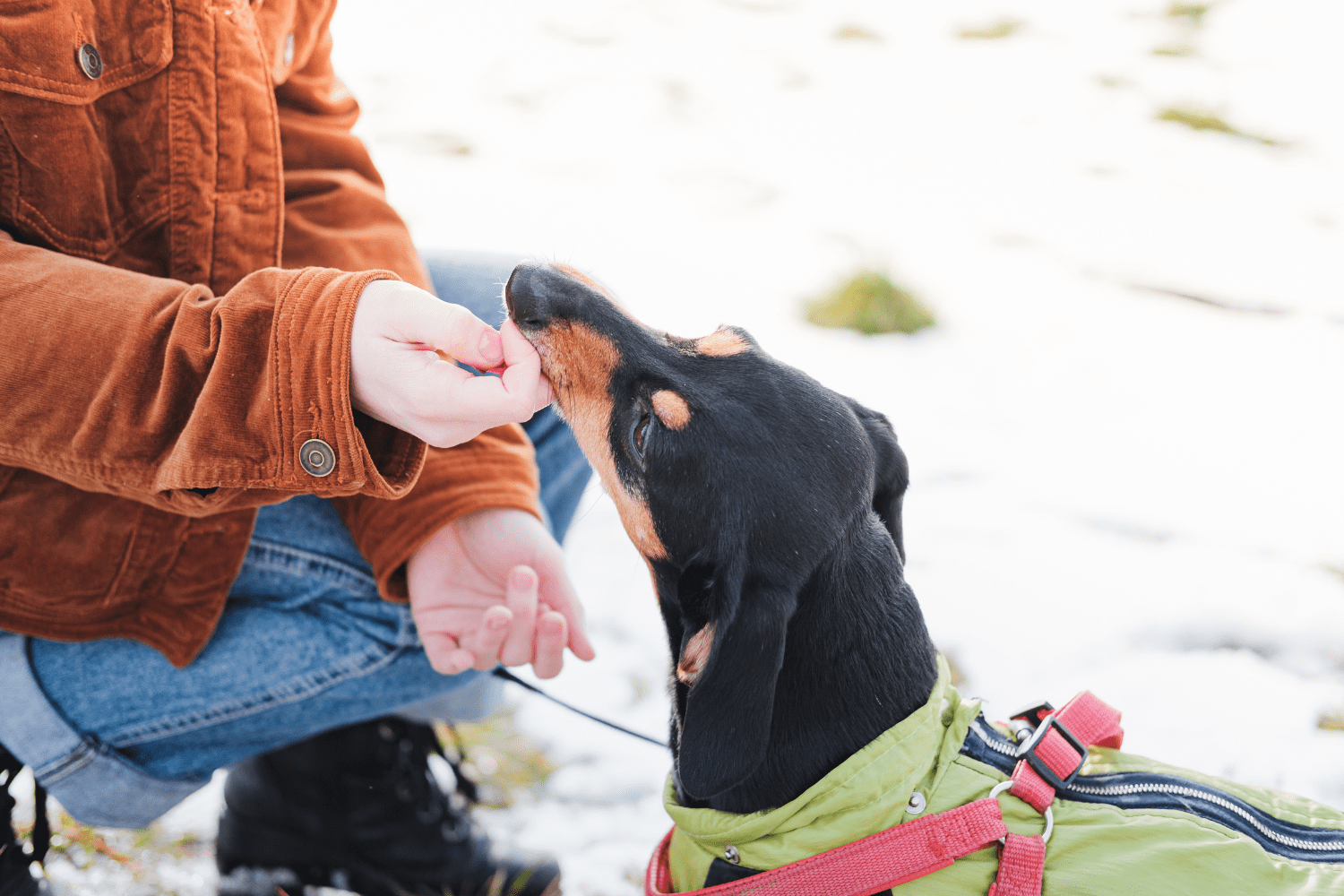
Poppy, a food-motivated cocker spaniel, came to us for general obedience and lead work, both on and off lead. Our trainer Charlie used treats strategically to reward good behaviour throughout her stay, and Poppy made strong progress, all recorded on video so her owners could rewatch exactly how each skill was built. The question then becomes: how do her owners retain and build on what she's learned?
Why dogs don't automatically generalise a skill
A dog trained in one environment doesn't automatically apply that skill everywhere else, this is a well-documented limitation in how dogs learn, sometimes called context-dependent learning. A dog that sits reliably in a quiet training room may simply not have learned yet that the same cue applies on a busy street, not because they've forgotten, but because they never generalised it in the first place. This is exactly why starting fresh at home matters so much.
Starting fresh, not straight into the fun stuff
We always recommend owners rewatch their training videos closely and, however tempting it is to immediately try new skills somewhere exciting, start again in low-distraction environments as though the dog were a puppy, building up gradually to more stimulating places, the same graded approach covered in our guide on how residential training changes behaviour at home. This solidifies the training properly and doubles as a genuine bonding opportunity after time apart, paying attention to the tone, timing and body language shown in the videos matters here.
The first few weeks at home
In week one, we give specific, tailored advice, for Poppy's family this meant a structured settling-in period before introducing new challenges. By weeks two and three, distractions and rewards can gradually increase and vary, again tailored to the individual dog's progress, part of our wider cognitive enrichment approach to learning.
Ongoing support
Training is a lifelong journey, not a finished project, and adolescence in particular is often a tricky stretch, patience, consistency and kindness build the strong bond that carries a dog through it. We provide owner training sessions and ongoing support in the weeks after a dog returns home specifically because a dog's progress depends just as much on the owner's continued commitment as on the training itself, whether you chose residential or non-residential training in the first place.
Getting the right support
Get in touch to find out more about our residential training programmes.
About Royvon
Enrichment Based Dog Boarding
Our calm, structured environment is built for dogs who need more than a standard kennel.
Dog BoardingLeading Dog Training
A structured residential dog training programme where your dog lives with our expert team, building calm behaviour, reliable obedience and real-world confidence that lasts beyond their stay.
Dog Training
Royvon News & Enrichment Advice
Recent Posts Regarding Enrichment

Book With Peace Of Mind Today - Limited Places Available


Specialist care, structured training, and enrichment-led boarding designed to help dogs feel calm, confident and understood. 30,000+ completed residential training programmes; 200,000+ dogs cared for in total, including boarding, since 1959.
Existing Customer?
Log In


© Copyright 2026 Royvon. All Rights Reserved.
Licensed by Merthyr Tydfil County Borough Council with the reference AB 0001. Licensed by Surrey County Council with the reference LN/201800796.
Social Media: