

Dog Training
How Residential Training Changes Behaviour Back at Home
👤
Author: Darren James
🕐
3 min read
📅
2022-08-30
How residential training changes behaviour at home
We're often asked variations of "how will you stop my dog running off, barking, or being aggressive?" The honest answer is that modern, positive training isn't really about stopping a behaviour directly, it's about building a strong enough desire for an alternative behaviour that the old one simply loses its pull.
Why play is usually the answer
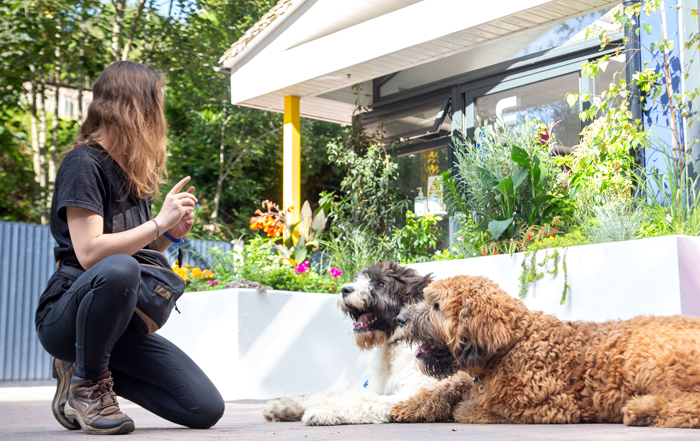
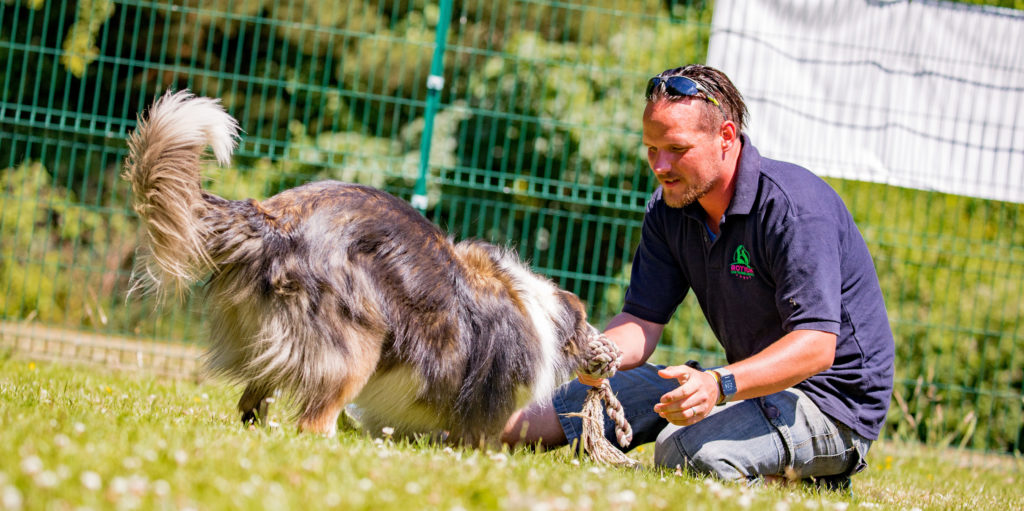
Making play genuinely irresistible gives a dog something more compelling than whatever was driving the unwanted reaction, fear, over-stimulation, distraction. Once a dog is fully focused on play, the original trigger can fade into the background almost entirely.
How this works with fear specifically
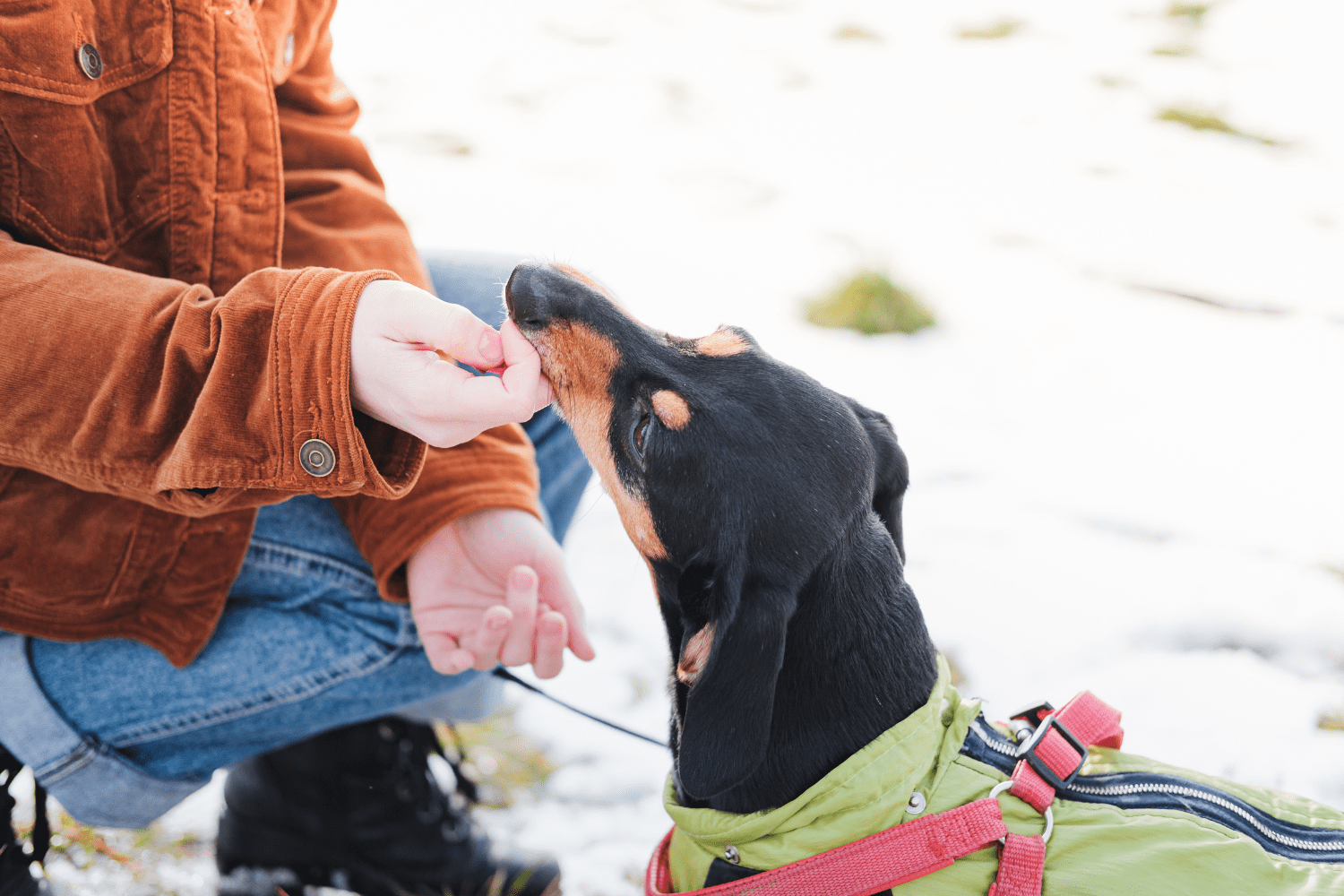
Fear cases add a layer of complexity: alongside building the desire to play, a trainer also has to manage desensitisation carefully. This starts by finding the distance from the trigger at which a dog will still happily engage in play, then gradually closing that distance as the dog shows consistent, positive signals, until eventually they're drawn to play even close to what once frightened them. Food treats can support this, but in practice the desire to play usually outweighs the pull of food once a dog is properly engaged.
Handover and follow-up
When residential training finishes, we hand everything over in a two-hour session at pickup, transferring the skills and setting homework for the following days. With a fear case, this typically starts with play at home, a low-pressure environment to build a strong foundation before testing anything more challenging. Follow-up sessions at one and two weeks continue building on this through gradually increasing challenges, until the original trigger no longer worries the dog at all.
A real example: reactivity at the door
For a dog reactive to visitors, this becomes genuine counter-conditioning, the doorbell stops meaning "threat" and starts meaning "the games are about to begin." Depending on the specific behaviour, our trainers may combine counter-conditioning with desensitisation for the best result.
What we never do
We never punish a dog for displaying unwanted behaviour. Some trainers still use aversive tools, an unpleasant sensation delivered when a dog does the "wrong" thing, to suppress behaviours like running off. We don't align with this approach, we believe no loving owner would choose to see their dog hurt to get a result, and we focus entirely on building the desire to do something better instead.
Getting the right support
See also our guides on the importance of play for your dog and what happens after your dog's residential stay. Get in touch to find out more about our residential training programme. Learn more about our residential training programme and our cognitive enrichment hub and Residential vs Non-Residential Training: Which Is Right for You? and Residential Dog Training: What the Stay Actually Involves.
About Royvon
Enrichment Based Dog Boarding
Our calm, structured environment is built for dogs who need more than a standard kennel.
Dog BoardingLeading Dog Training
A structured residential dog training programme where your dog lives with our expert team, building calm behaviour, reliable obedience and real-world confidence that lasts beyond their stay.
Dog Training
Royvon News & Enrichment Advice
Recent Posts Regarding Enrichment

Book With Peace Of Mind Today - Limited Places Available


Specialist care, structured training, and enrichment-led boarding designed to help dogs feel calm, confident and understood. 30,000+ completed residential training programmes; 200,000+ dogs cared for in total, including boarding, since 1959.
Existing Customer?
Log In


© Copyright 2026 Royvon. All Rights Reserved.
Licensed by Merthyr Tydfil County Borough Council with the reference AB 0001. Licensed by Surrey County Council with the reference LN/201800796.
Social Media: