

Dog Breeds, Dog Training
Rottweiler Training: Giving a Working Breed a Job to Do
👤
Author: Darren James
🕐
3 min read
📅
2018-01-31
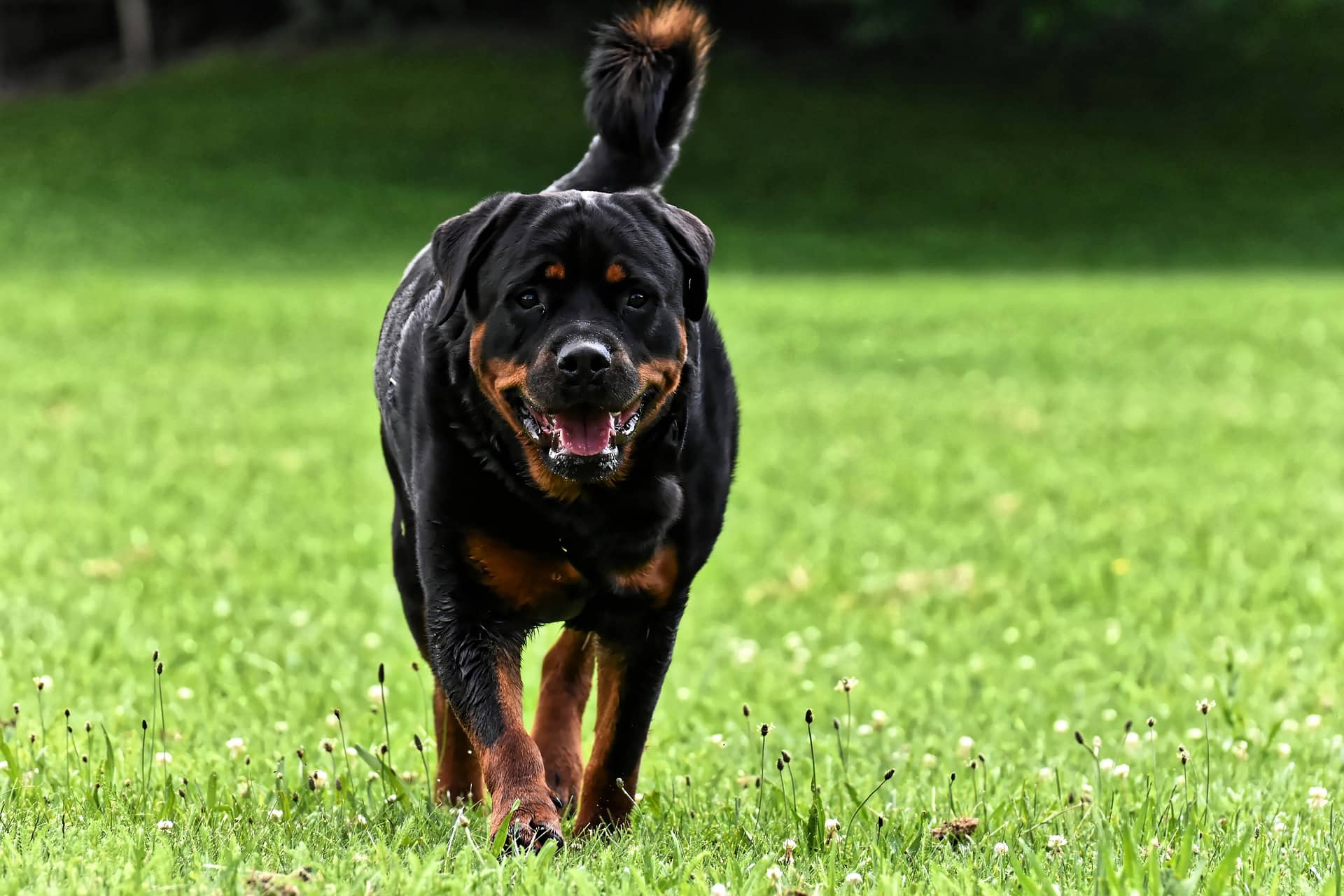
Rottweilers carry an unfair reputation in some quarters, but owners who know the breed well tend to love them for their strength, distinctive look and genuinely protective nature. The breed's history explains a lot about the dog you bring home: Rottweilers descend from cattle-droving and butcher's dogs used in the German town of Rottweil, pulling carts and driving livestock to market, which is why the modern Rottweiler still has such a strong drive to work and pull. Getting the best from a Rottweiler means starting training early, since Rottweiler puppies begin showing their natural instincts from a very young age.
Choosing your puppy tells you a lot
Watching how a puppy interacts with littermates and their mother before you choose is useful. A puppy who plays cooperatively is showing something different to one who consistently seeks conflict, and these early interactions offer a real window into individual temperament.
Start the moment you get home
Rottweiler training benefits from starting immediately, rather than waiting for your puppy to settle in first. Early, consistent structure sets the tone for how manageable adolescence and adulthood turn out to be, and it's worth starting gentle handling exercises straight away too, since a dog this size needs to be truly comfortable having paws, ears and mouth checked long before it becomes a fully grown adult who could make that difficult if they object.
A breed built for work
A well-bred Rottweiler combines power, strength, agility and endurance, which is exactly why the breed is used in customs, military and police work, tracking, herding, carting, Schutzhund trials and therapy work. That same working heritage means a pet Rottweiler benefits from having a job, even an invented one, part of our wider cognitive enrichment approach.
Giving them a job at home
A simple find your toy game works well: hide a favourite toy, ask your dog to find it, and reward with play the moment they succeed. This kind of task-based game gives a working breed's brain something satisfying to do, and tires them out mentally in a way a walk alone doesn't.
Socialisation matters enormously with this breed
Given their size and protective instincts, early, structured exposure to a wide range of people, dogs, sounds and situations is essential, not optional, for a Rottweiler. This is what separates a calm, confident adult from one who's reactive or overly suspicious of ordinary situations, an approach that pairs well with our guides to German Shepherd training and Doberman training, both working breeds with similar socialisation needs.
A practical health note worth knowing early
Rottweilers are a deep-chested breed, which puts them at higher risk of bloat (gastric dilatation-volvulus), a real emergency. Feeding two or three smaller meals rather than one large one, and avoiding vigorous exercise for an hour either side of eating, are simple habits worth building in from puppyhood rather than trying to introduce later.
Building trust and calm leadership
Rottweilers respond best to an owner who is calm, consistent and fair, rather than forceful. Reward-based training builds the kind of trust that holds up under real pressure, a visitor at the door, an unexpected dog on a walk, far better than any correction-based approach.
Getting the right support
Get in touch to talk through what your Rottweiler needs, whatever stage of training you're at, or learn more about our Rottweiler programme.
About Royvon
Enrichment Based Dog Boarding
Our calm, structured environment is built for dogs who need more than a standard kennel.
Dog BoardingLeading Dog Training
A structured residential dog training programme where your dog lives with our expert team, building calm behaviour, reliable obedience and real-world confidence that lasts beyond their stay.
Dog Training
Royvon News & Enrichment Advice
Recent Posts Regarding Enrichment
Book With Peace Of Mind Today - Limited Places Available


Specialist care, structured training, and enrichment-led boarding designed to help dogs feel calm, confident and understood. 30,000+ completed residential training programmes; 200,000+ dogs cared for in total, including boarding, since 1959.
Existing Customer?
Log In


© Copyright 2026 Royvon. All Rights Reserved.
Licensed by Merthyr Tydfil County Borough Council with the reference AB 0001. Licensed by Surrey County Council with the reference LN/201800796.
Social Media: