

Dog Training Tips & Advice
German Shepherd Behaviour Problems Training Guide
👤
Author: Darren James
🕐
3 min read
📅
2024-07-22
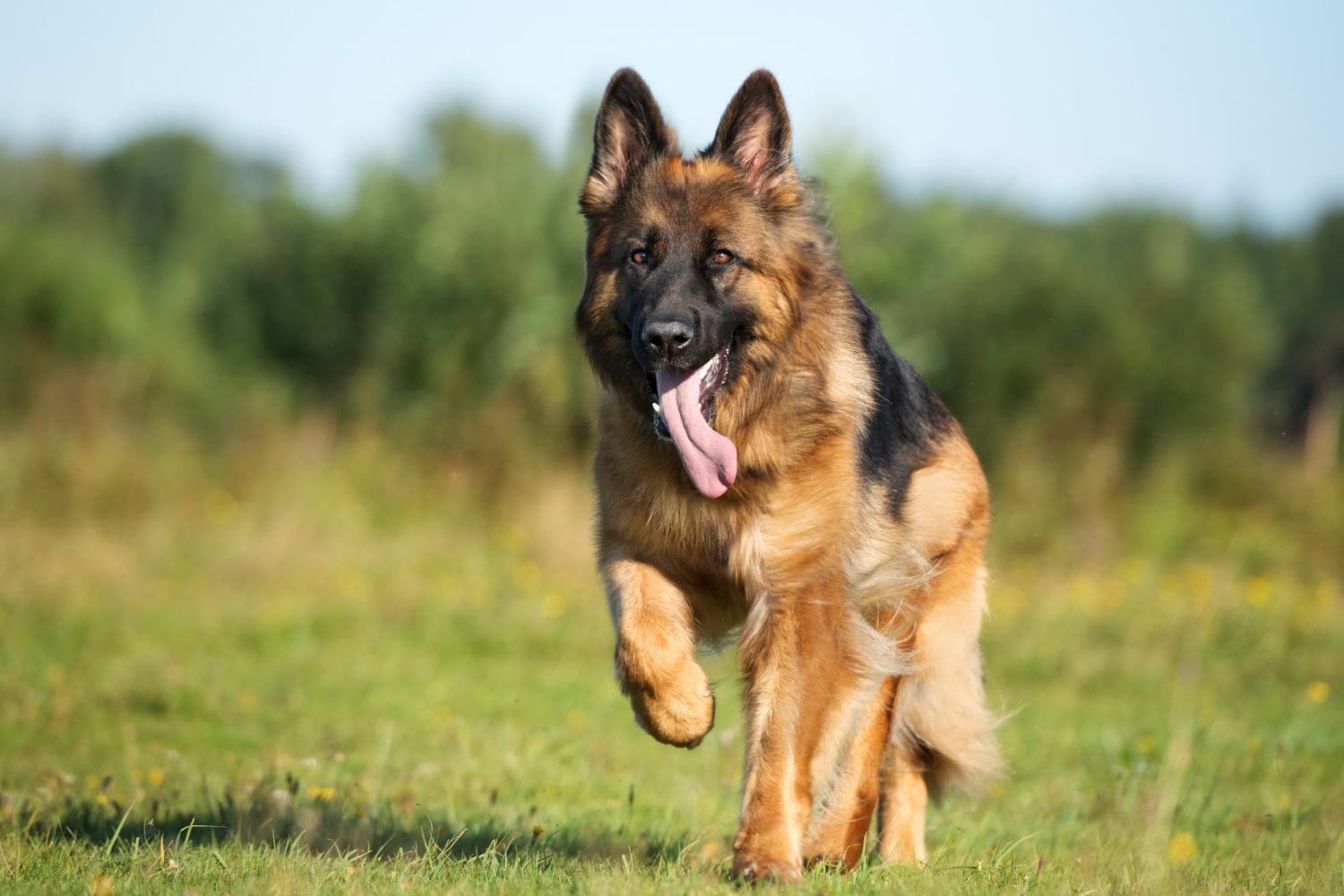
German Shepherd training: our top tips
German Shepherds are intelligent, sensitive dogs that make devoted family companions and formidable guard dogs in equal measure, which is exactly why police and security forces rely on them. That same intelligence means they'll learn bad habits just as readily as good ones, so this isn't a breed to leave untrained and hope for the best.
What this breed needs
German Shepherds need real daily exercise, ideally at least two 45-minute active sessions, without it, boredom shows up as barking, chewing and destructive digging. They also have a genuine tendency toward mouthiness and guarding instincts that need addressing early, and a reputation for expressing themselves vocally when bored. Health-wise, they're prone to hip and elbow dysplasia, pancreatic enzyme insufficiency, inflammatory bowel disease and allergic skin conditions, all worth monitoring with your vet.
Why dominance theory doesn't work here
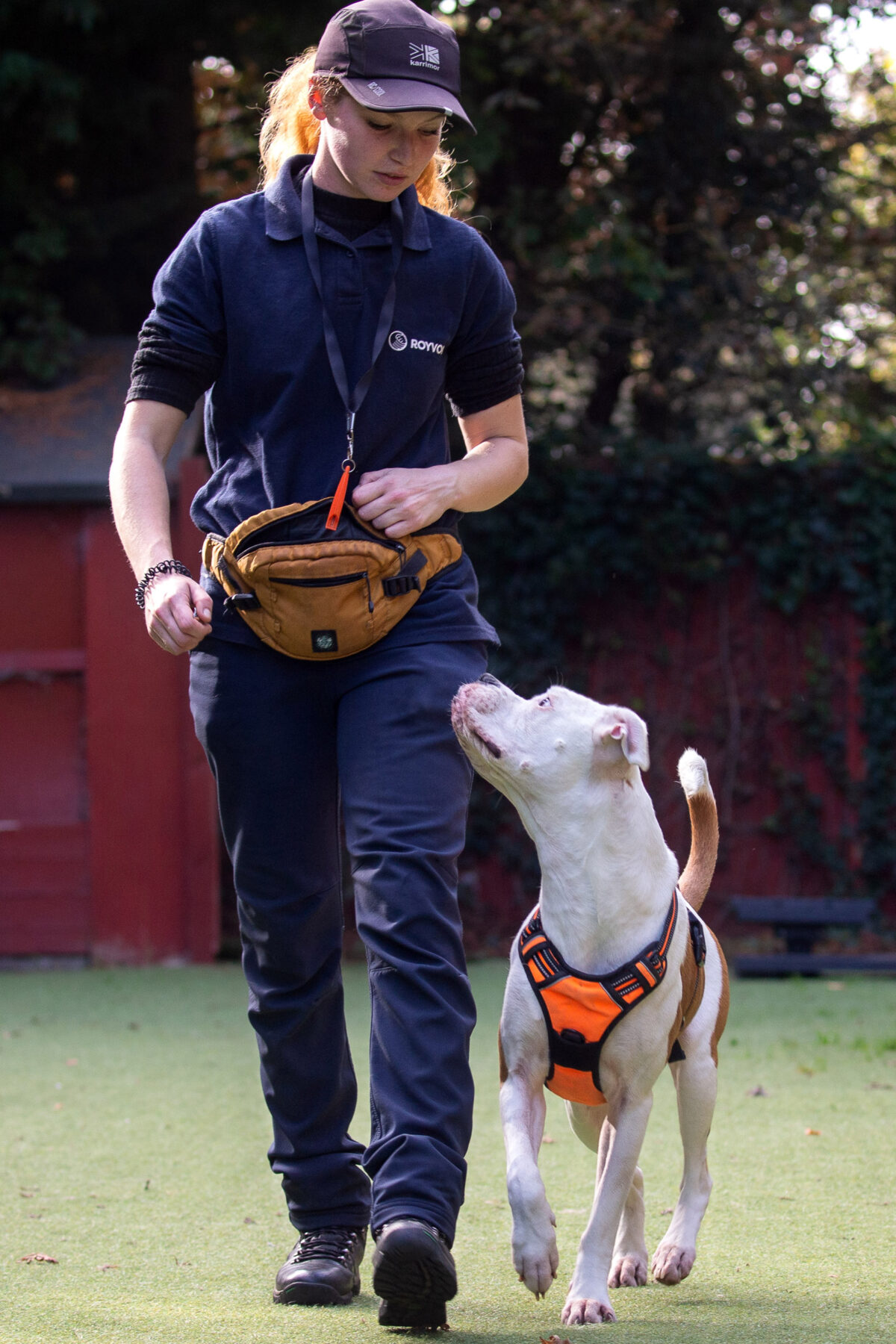
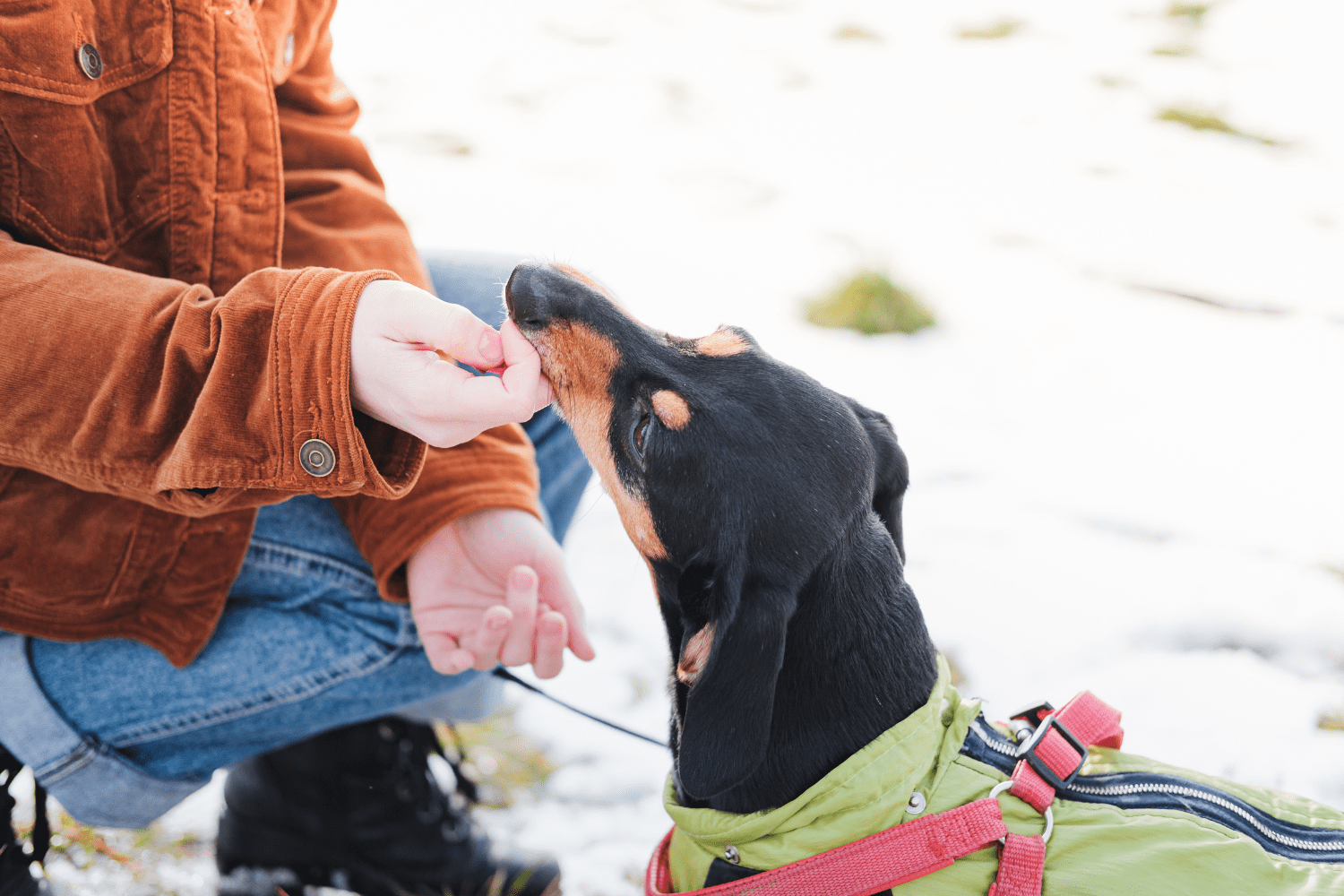
Dominance theory has been thoroughly disproven. German Shepherds do need a confident, structured owner, but alpha rolls and harsh correction tend to produce a nervous, unpredictable dog more prone to aggression, not less. What actually works is straightforward reward-based training: a treat, praise or play when your dog gets a command right, and a simple, calm "no" to guide them away from the wrong choice. This is the foundation of how we train at Royvon.
Building complex behaviours step by step
Because German Shepherds are intelligent but genuinely sensitive, breaking a complex behaviour into a manageable training programme is far better than expecting the whole thing at once. Teaching a dog to put toys away, for instance, starts with picking up and dropping a ball, then fetching and dropping it, then dropping it specifically into a box, only progressing once each step is solid.
Protecting a growing dog
Given their joint health risks, avoid strenuous exercise like agility training until bones have finished developing, typically around 12 to 18 months, and feed a diet suited to large-breed growth throughout that period. It's also easy for this breed to gain weight, watch for hidden calories in training treats and weigh out a daily ration in advance so treats come out of that allowance rather than on top of it.
Practical training tools
A long line gives a dog with unreliable recall real freedom while keeping you in control, and a muzzle can truly reduce tension for both of you if your dog is prone to overreacting, knowing they can't cause harm often helps everyone relax. If training isn't progressing as hoped, bringing in a professional early is far easier than untangling entrenched bad habits later.
Want a tailored plan for your German Shepherd? Call 020 8819 7374 or email [email protected] or explore our training programmes.
About Royvon
Enrichment Based Dog Boarding
Our calm, structured environment is built for dogs who need more than a standard kennel.
Dog BoardingLeading Dog Training
A structured residential dog training programme where your dog lives with our expert team, building calm behaviour, reliable obedience and real-world confidence that lasts beyond their stay.
Dog Training
Royvon News & Enrichment Advice
Recent Posts Regarding Enrichment
Book With Peace Of Mind Today - Limited Places Available


Specialist care, structured training, and enrichment-led boarding designed to help dogs feel calm, confident and understood. 30,000+ completed residential training programmes; 200,000+ dogs cared for in total, including boarding, since 1959.
Existing Customer?
Log In


© Copyright 2026 Royvon. All Rights Reserved.
Licensed by Merthyr Tydfil County Borough Council with the reference AB 0001. Licensed by Surrey County Council with the reference LN/201800796.
Social Media: