

German Shepherd Training
Residential training for German Shepherds with reactivity, guarding or separation problems. They are one of the breeds we train most often, and we know we can help.
German Shepherds are one of the breeds we train most often, on residential programmes in Surrey and South Wales.
How residential training works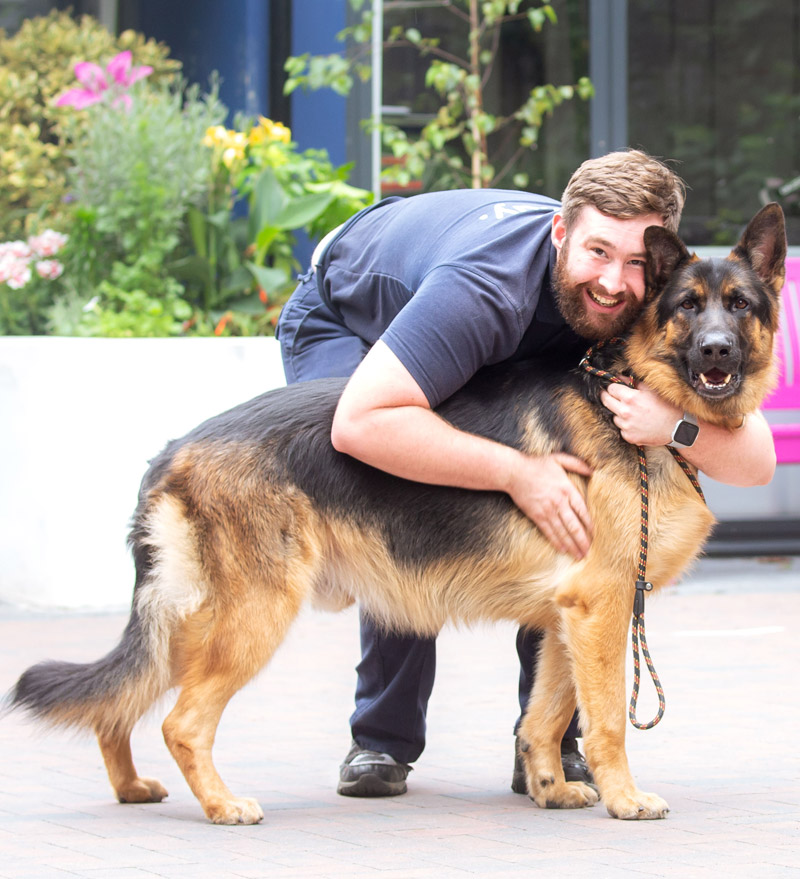
High energy
Highly intelligent
Loyal and protective
Needs structure
★★★★★
“After the 21 days programme, she stops barking and lunging on other dogs, and I can walk her in busy high street without her dragging me around!”
Bella · Google reviewWhat are you struggling with?
67 years of expertise
Behaviour aware approach
Structured, proven method
3 months of owner support
Rated Excellent by owners
Breed profile
German Shepherd at a glance
Energy level
High
Needs at least two hours of exercise a day, plus mental enrichment.
Intelligence
Very high
Third most intelligent breed. Learns commands quickly and needs consistent direction.
Temperament
Protective
Natural guarding instinct. Must be properly socialised from an early age.
Common issues
Reactivity
Fear aggression, overprotective behaviour and lead reactivity are very common.
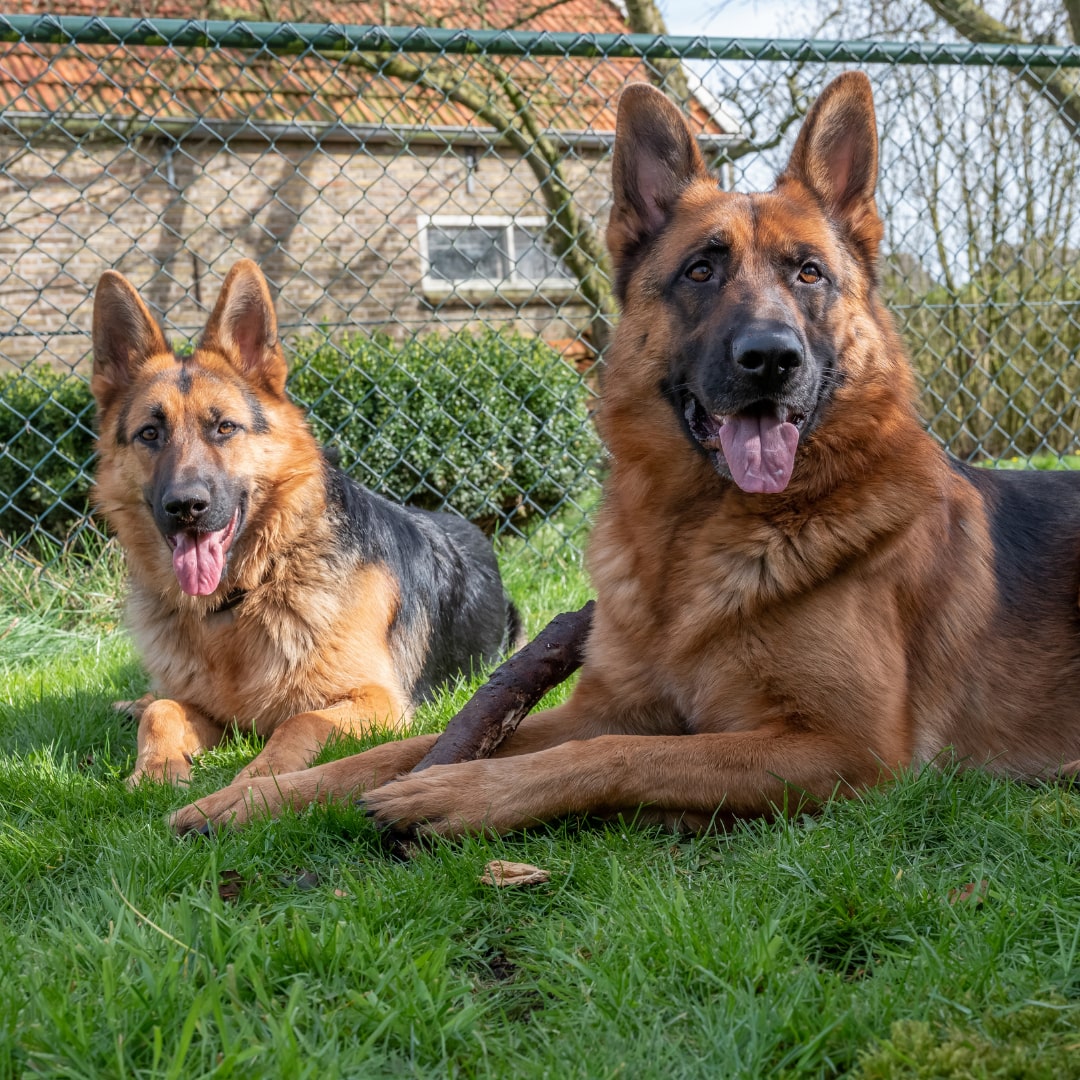
Understanding the breed
What makes a German Shepherd different to train
They are bred to work closely with one handler, so they notice everything and need to know what is expected of them. When that structure is missing, the same drive that makes them brilliant goes into guarding, chasing or worrying.
Read more in our guides to preventing German Shepherd behaviour problems and reactive German Shepherds.
Their working drive is very high. They need a job to do, or they will find one.
Fear aggression is common and often misread as dominance, which leads to training that makes it worse.
Separation anxiety can be severe in a breed this bonded to its handler.
Consistency is critical. Inconsistent handling creates confusion and escalates behaviour problems.
German Shepherds are capable of extraordinary things, and capable of making life very difficultif their intelligence and drive aren't properly directed.
What we help with
The challenges that come with a German Shepherd
We work with these regularly. There is usually a clear path forward, even in cases that have been going on for years.
Lead reactivity
Reactive to dogs, people or moving objects. Common, and highly treatable with structured desensitisation.
Overprotective behaviour
Guarding the home, car or owner to an extent that becomes unmanageable. Needs clear boundaries established through structured work.
Fear aggression
Often misread as dominance. Aggression rooted in fear needs to be approached carefully, by building trust rather than through confrontation.
Separation anxiety
German Shepherds are deeply bonded dogs. Separation anxiety can be severe and needs a structured, patient approach.
Poor recall
A German Shepherd in drive is difficult to interrupt. We build reliable recall, even when your dog is highly aroused.
Aggression to people
Aggression towards strangers, driven by fear or protection. Responds well to structured residential work once assessed properly.
Residential training
How residential training helps a German Shepherd
Most of these problems come down to structure and consistency. A residential stay gives your Shepherd both, every day, with one trainer who gets to know them properly.
We assess first
We start by finding out what is driving the behaviour. With guarding and fear aggression especially, the right plan depends on getting this right.
One trainer, every day
Your dog gets an hour of one to one training each day with the same trainer. We build calm in our grounds first, then take it into parks and busier places.
Handover and follow up
When you collect your dog, we teach you the same cues and routines, then back you up with at least two follow up sessions so the progress holds at home.
From £85 a day in South Wales and £140 a day in Surrey. The final price depends on the time of year and your dog's programme.
Owner reviews
What German Shepherd owners say
In their own words, taken from our Google reviews. Each one links to the listing it was left on.
★★★★★
“He no longer jumps at cars and buses and his reactivity to dogs, cyclists and other triggers has already decreased significantly, and continues to do so as we maintain the training at home.”
★★★★★
“We’ve seen a huge improvement in Leo, especially with his reactivity, and it’s clear how much care and effort went into his training.”
SP
Sreeraam P.
Leo, training · Google review, May 2026★★★★★
“We have been equipped with the strategies to help him be content around other dogs. We are planning our next big holiday with him, something we thought not possible just a few months ago.”
Success stories
German Shepherd success stories
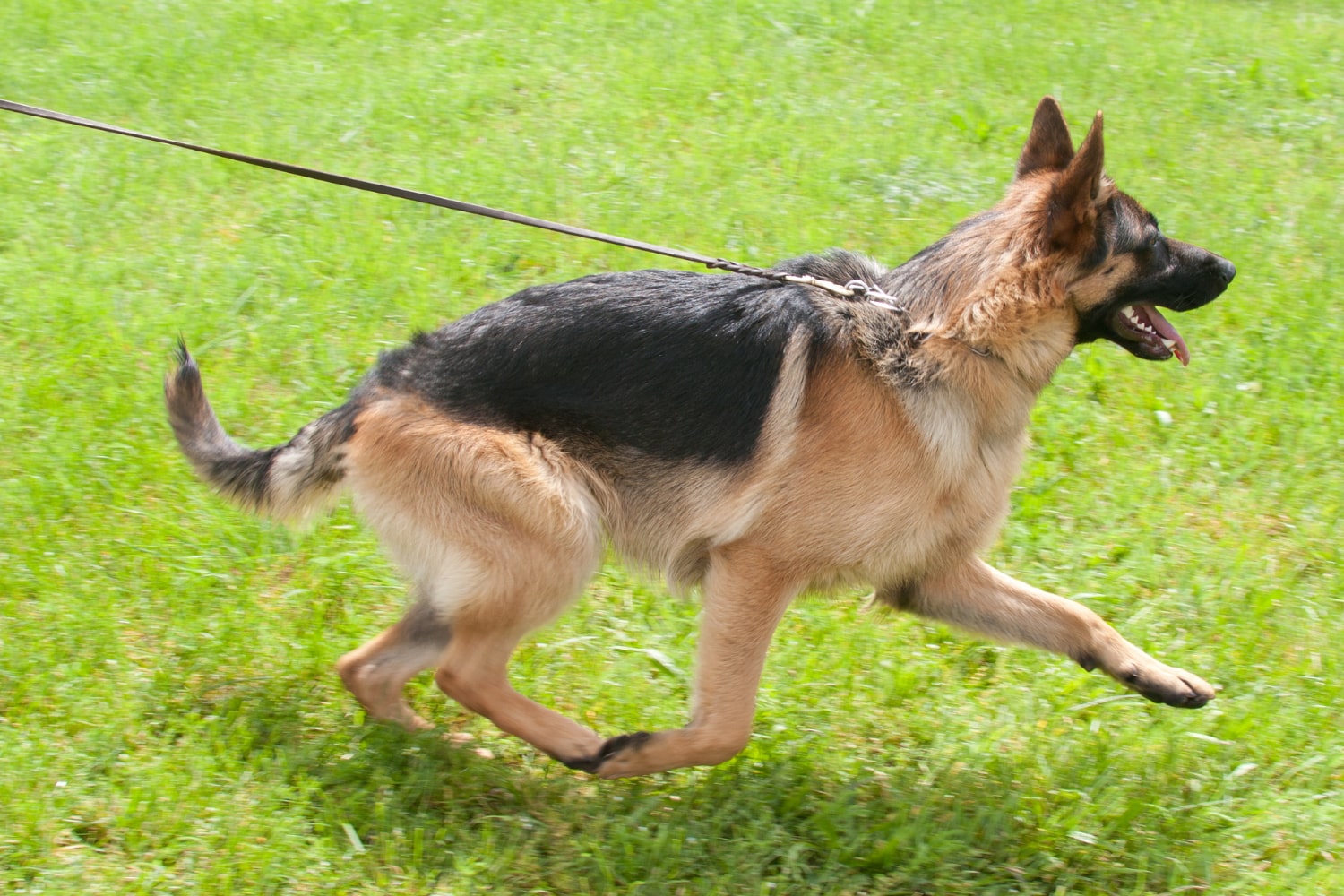
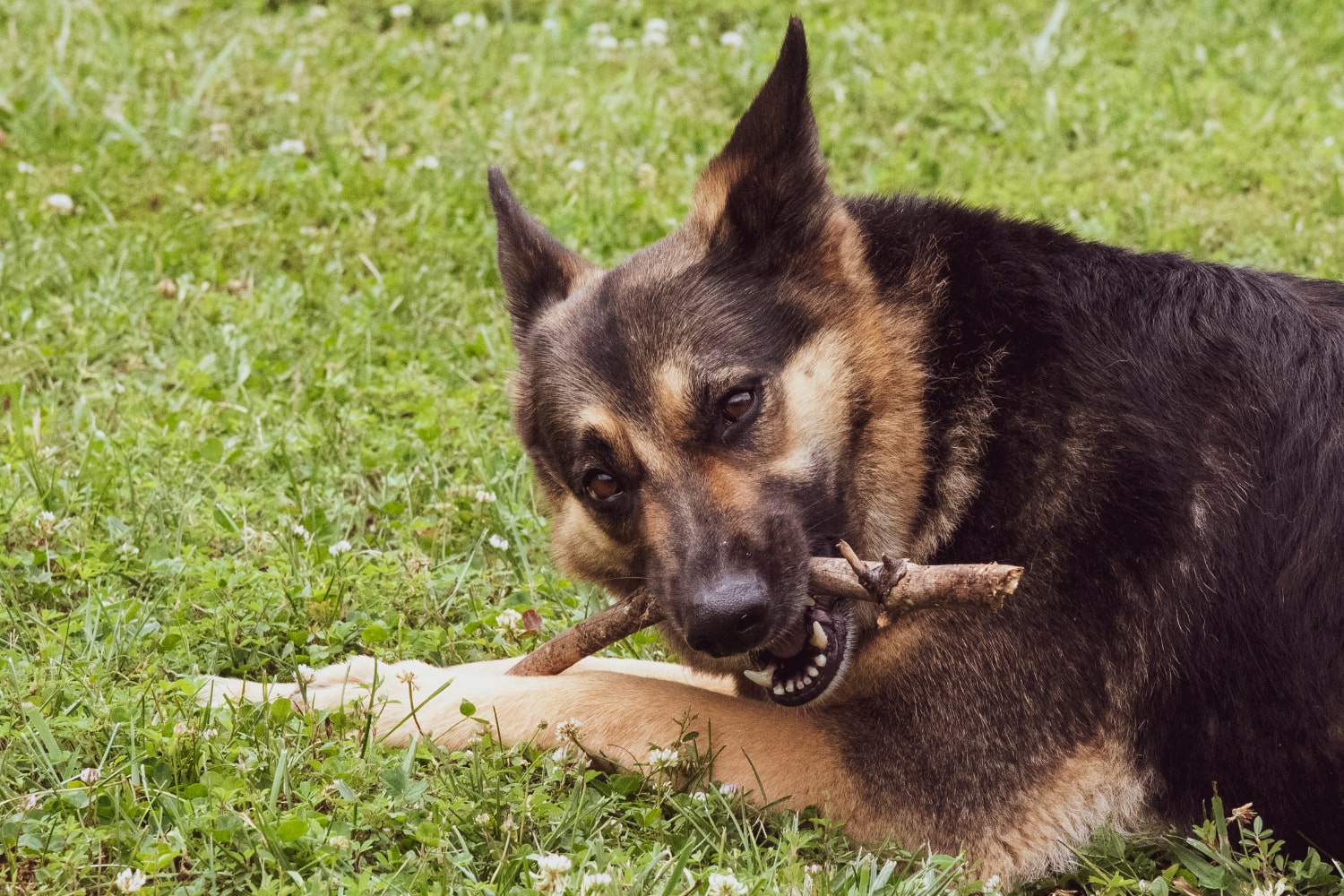
Real Royvon dogs, filmed during and after their training.

FAQs
German Shepherd common questions
What owners usually ask before getting in touch.
Ask the team directlyHow do you train a German Shepherd?
With short, consistent sessions built on rewards, a clear daily routine and plenty of exercise and mental work. Socialise early, build reliable recall before giving freedom off the lead, and avoid harsh corrections, which tend to make fearful behaviour worse. German Shepherds are one of our most common residential breeds, and their intelligence means they progress quickly when training is built on trust. Our German Shepherd training guide goes into more detail.
My German Shepherd has been labelled aggressive. Can you help?
In many cases, yes. Fear aggression and reactivity driven by protection are areas we work with regularly.
Will my German Shepherd settle in boarding?
German Shepherds do best with consistent routine and calm handling, both of which we provide. See how our dog boarding works.
How long does the programme typically take?
Most programmes run three to four weeks, depending on the behaviour being addressed.
Do you use force free training?
Always. Methods built on force typically escalate fearful behaviour in this breed rather than resolve it.
Ready to start
Let's talk about your German Shepherd
Tell us about your dog and what you're struggling with. We'll guide you honestly on whether Royvon is the right fit, and what the best approach looks like.
Get in touchWe respond to every enquiry.
Book With Peace Of Mind Today - Limited Places Available


Specialist care, structured training, and enrichment-led boarding designed to help dogs feel calm, confident and understood. 30,000+ completed residential training programmes; 200,000+ dogs cared for in total, including boarding, since 1959.
Existing Customer?
Log In


© Copyright 2026 Royvon. All Rights Reserved.
Licensed by Merthyr Tydfil County Borough Council with the reference AB 0001. Licensed by Surrey County Council with the reference LN/201800796.
Social Media: