

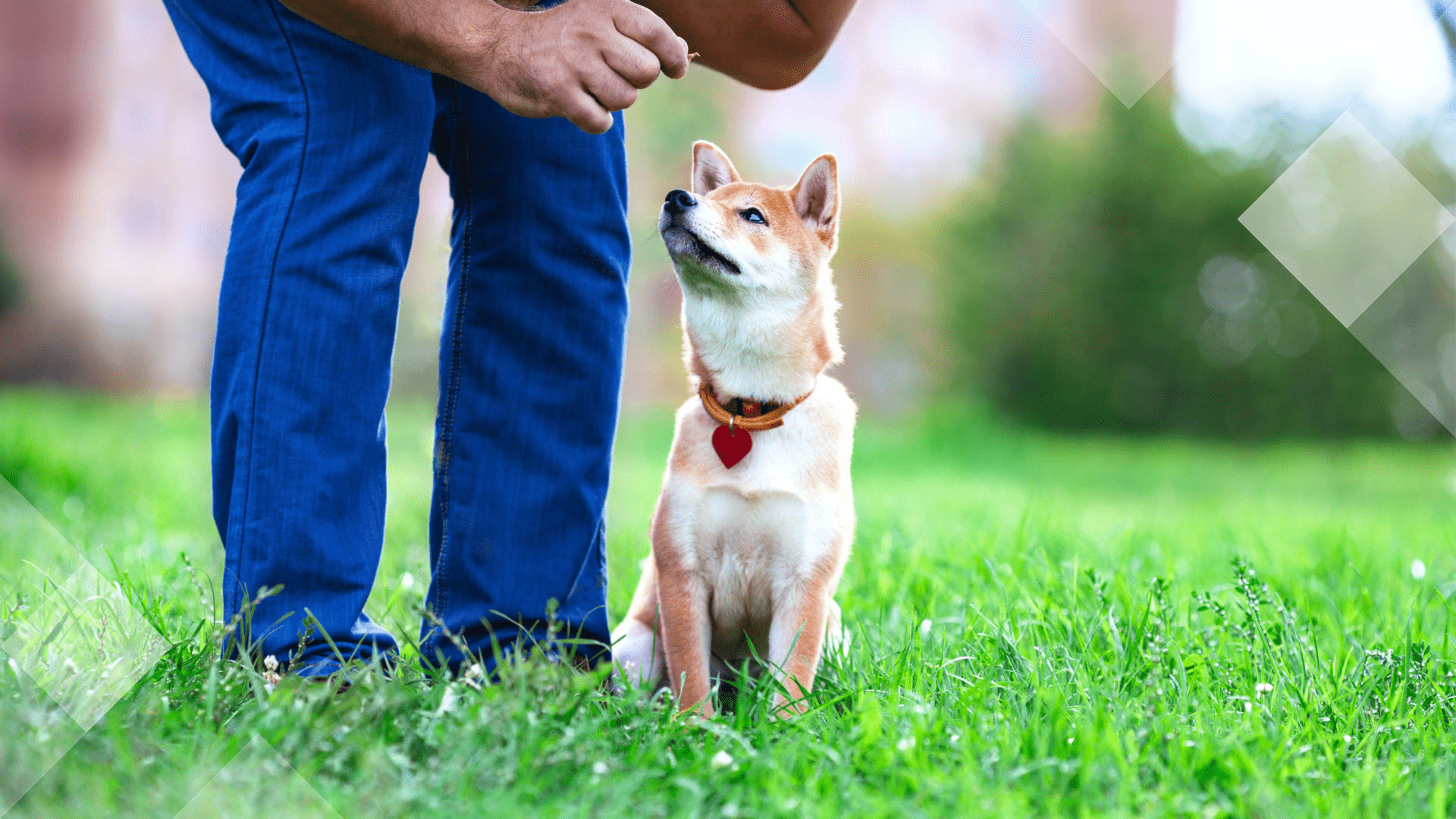
Puppies
Your First 24 Hours with a New Puppy
👤
Author: Darren James
🕐
3 min read
📅
2017-01-12
Your first 24 hours with a new puppy
The old adage "start as you mean to go on" genuinely applies to your puppy's first day home, alongside plenty of cuddles.
Getting the arrival right
It's a common mistake to carry a puppy straight into the house and let them start exploring or playing before they've had a chance to toilet. Puppies often need to go shortly after waking, so taking them straight to their toilet spot the moment you arrive gives house training a genuine head start, and lots of praise the moment they go helps the message land early.
Keeping the first few hours calm
Leaving a familiar home and mother is a big adjustment, so restricting your puppy to one or two rooms initially, rather than the whole house, avoids overwhelming them. Show them their crate (with treats scattered inside) and water bowl once they're back from the toilet spot. If you have children, have them sit calmly with a treat and let the puppy approach in their own time, then redirect the kids after five or ten minutes so the puppy gets some space to explore.
Starting a routine immediately
Deciding on meal and bedtimes from day one, and sticking to them even on the first day, helps a puppy adjust faster to a world that's suddenly completely unfamiliar. Taking them to their toilet spot within minutes of eating (food triggers a toileting reflex) and every thirty minutes while awake, plus straight after any nap, builds the habit early.
Setting house rules from the start
Never chastise or punish a puppy, especially on their first day, but that doesn't mean anything goes, habits allowed now are much harder to undo later. Deciding house rules in advance (furniture, upstairs access) and gently redirecting rather than scolding, a treat to distract from the sofa, followed by praise and a cue word like "floor" once they're down, works well, provided everyone in the household applies the same rules consistently.
Bedtime on night one
What you do on the first night sets a precedent, settling your puppy into their crate and leaving them to sleep, rather than staying with them, tends to help them adjust faster long term. Keeping the hour before bed calm, dimming the lights, and a final low-key toilet trip before a simple "quiet time now" and bed helps signal that it's truly time to settle. As a rule of thumb, a young puppy can hold their bladder for around one hour per month of age, with an extra hour or two overnight while asleep, so an eight-week-old puppy typically needs a toilet break after three to four hours. Keep any night-time toilet trip low-key, minimal chat, no lights if possible, so your puppy learns night-time means sleep, not play. If they cry, avoid going in while they're actively crying, this can reinforce the noise, wait for a lull before checking on them instead.
Getting the right support
See also our guide on preparing your house for a new puppy. Get in touch if you'd like tailored advice for your puppy's first few days. Learn more about our puppy training programme and our emotional enrichment hub and How to Crate Train Your Puppy: A Step-by-Step Guide.
About Royvon
Enrichment Based Dog Boarding
Our calm, structured environment is built for dogs who need more than a standard kennel.
Dog BoardingLeading Dog Training
A structured residential dog training programme where your dog lives with our expert team, building calm behaviour, reliable obedience and real-world confidence that lasts beyond their stay.
Dog Training
Royvon News & Enrichment Advice
Recent Posts Regarding Enrichment
Book With Peace Of Mind Today - Limited Places Available


Specialist care, structured training, and enrichment-led boarding designed to help dogs feel calm, confident and understood. 30,000+ completed residential training programmes; 200,000+ dogs cared for in total, including boarding, since 1959.
Existing Customer?
Log In


© Copyright 2026 Royvon. All Rights Reserved.
Licensed by Merthyr Tydfil County Borough Council with the reference AB 0001. Licensed by Surrey County Council with the reference LN/201800796.
Social Media: