

Dog Training, Life With Dogs, Puppies
Puppy Socialisation Through an Enrichment Lens: Bonding vs Meeting
👤
Author: Darren James
🕐
3 min read
📅
2020-11-25
Why over-socialising is the mistake nobody warns you about
Every new puppy owner wants the same thing: a friendly, well-rounded dog who's happy around everyone. The instinct that follows is to socialise as much as possible, so we see plenty of dogs and owners who've socialised in the wrong way without realising it, and it genuinely affects the relationship you build with your dog.
Why incorrect socialisation happens
Most new owners have done their research and know socialisation matters, but there's so much advice out there that it's hard to cut through, and it's easy to land on "any socialisation is good socialisation." A friendly dog is still important, but it has to be built the right way, so that socialising and having fun aren't the only things driving your dog. Your dog should still be able to focus on you and come when called, even in a social situation with plenty of distractions.
How this shows up later
We often hear from owners of dogs between six and twelve months old who say their puppy used to listen and now doesn't. Usually this is because the dog has been inadvertently taught to focus on socialising itself, not on its owner. This happens when owners let puppies play with random dogs in the park because it seems like good socialisation, without realising what it teaches: later on, the dog runs off to play with whoever's around, exactly as it was encouraged to do as a puppy, and ends up never being trusted off the lead. With improved training this can usually be corrected while the puppy is still young.
Socialising versus bonding
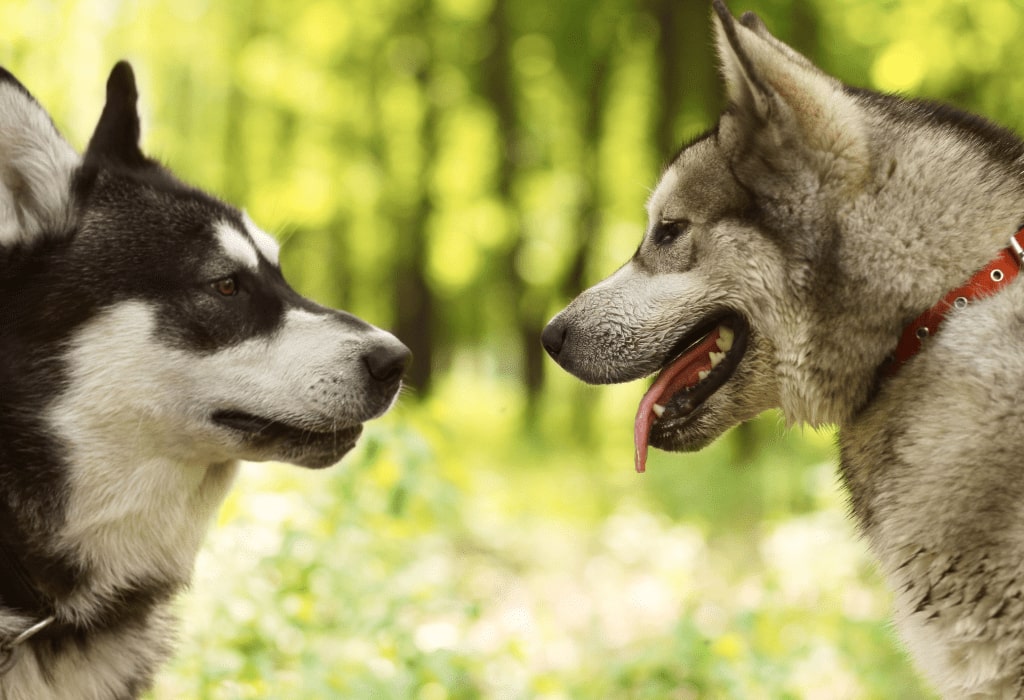
The key distinction is between the people and dogs your puppy should bond with, and everyone else they simply socialise with. Bonding is for family, friends, and any dogs they'll see regularly, playing and building genuine positive associations. For everyone else, a strangers at the park, dogs they'll likely never see again, a friendly greeting or a quick sniff is enough. If a puppy is allowed to bond and play freely with dogs and people they'll never see again, they learn that it's fine to play with anyone they meet, including ignoring an owner calling them back.
Other situations worth exposing your puppy to
Socialisation isn't only about meeting people and dogs. Puppies also benefit from early, calm exposure to things like cars, buses, trains and train stations, wheelchairs, high-vis jackets, and people with beards or hats, so nothing catches them off guard later. It also helps to introduce them to more reserved, stand-offish dogs, so they learn not every dog wants to play.
Getting the right support
The aim throughout is for you to stay the centre of your dog's world, so they come back when called wherever you are, whether that's the park, the train, or a coffee shop. See also our guide on how to socialise your puppy. Get in touch if you'd like guidance tailored to your puppy's stage. Learn more about our puppy training programme and our social enrichment hub. Also see Royvon's Puppy Training Philosophy: An Enrichment-Led Approach.
About Royvon
Enrichment Based Dog Boarding
Our calm, structured environment is built for dogs who need more than a standard kennel.
Dog BoardingLeading Dog Training
A structured residential dog training programme where your dog lives with our expert team, building calm behaviour, reliable obedience and real-world confidence that lasts beyond their stay.
Dog Training
Royvon News & Enrichment Advice
Recent Posts Regarding Enrichment
Book With Peace Of Mind Today - Limited Places Available


Specialist care, structured training, and enrichment-led boarding designed to help dogs feel calm, confident and understood. 30,000+ completed residential training programmes; 200,000+ dogs cared for in total, including boarding, since 1959.
Existing Customer?
Log In


© Copyright 2026 Royvon. All Rights Reserved.
Licensed by Merthyr Tydfil County Borough Council with the reference AB 0001. Licensed by Surrey County Council with the reference LN/201800796.
Social Media: