

Life With Dogs
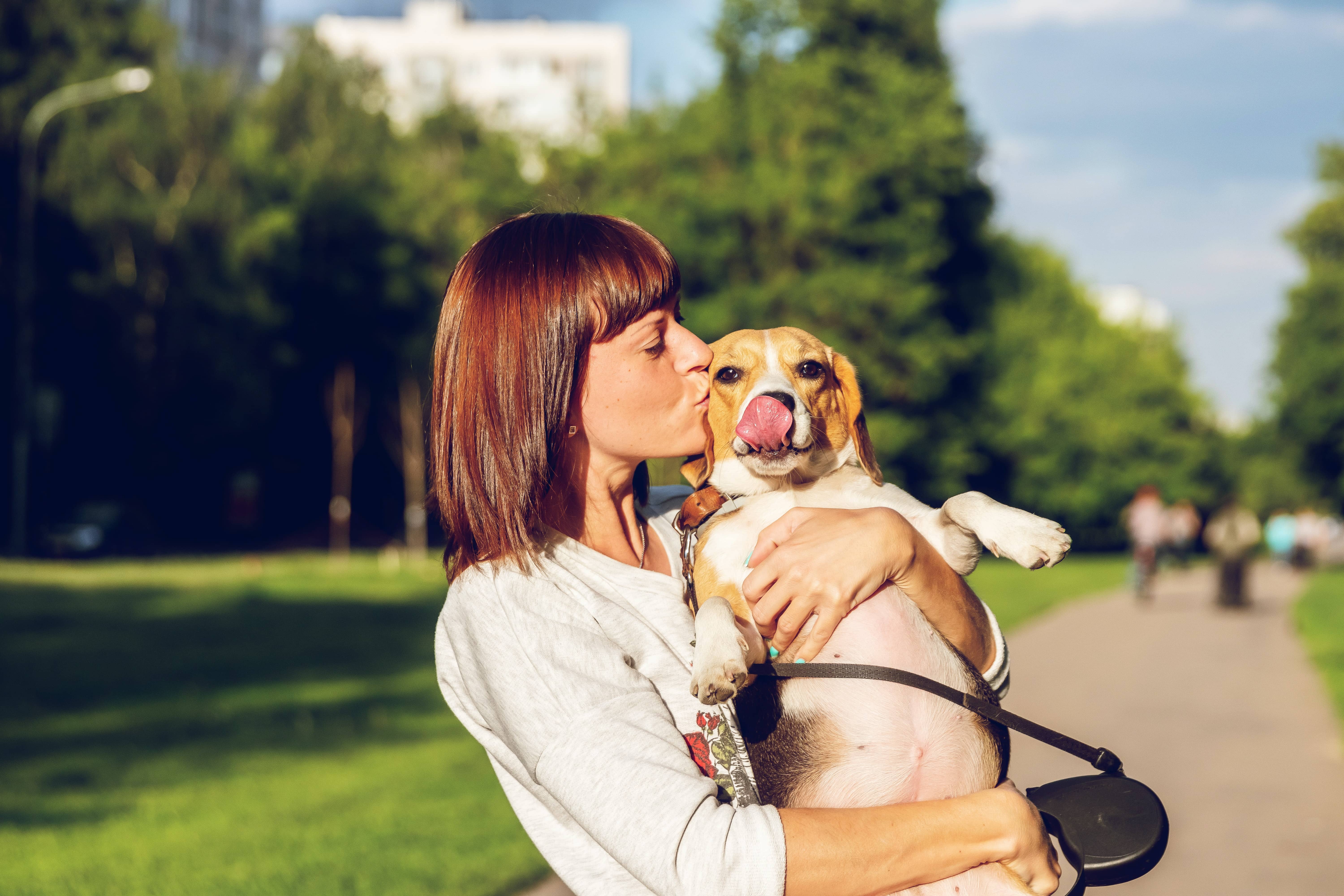
Making the Most of Summer With Your Dog, Safely
👤
Author: Darren James
🕐
3 min read
📅
2019-09-09
Heatstroke: know the risk
Most heat-related injuries come down to avoidable situations: a dog left in a car, or simply not given enough shade and water. Cars heat up dangerously fast even on mild days, since the glass traps heat like an insulator, and according to VCA Animal Hospital, leaving a dog in a car with inadequate ventilation is the most common cause of heatstroke. Never leave a dog in a car, even briefly.
Recognising the signs
Excessive panting is usually the first sign of heatstroke. If your dog is panting so hard their whole body is shaking, get them into shade or indoors to cool down immediately. Hyperthermia is a genuine medical emergency: get your dog to a vet as soon as possible rather than relying on first aid alone, veterinary practices triage by urgency rather than order of arrival, so a collapsed, seizing, or unresponsive dog will be seen immediately.
Knowing the numbers
A normal temperature, taken rectally, is around 103.5°F. Above 104°F needs attention, and organ failure and death can occur between 107°F and 109°F (41.2°C to 42.7°C). Cool an overheated dog gradually, never with ice water or an ice bath, since sudden cold constricts blood vessels under the skin and actually slows cooling. Never force a dog to drink, if they're overheated and won't drink, that's a sign to get veterinary help immediately, alongside vomiting, diarrhoea, bleeding, bruising, collapse or seizures.
Coat care in hot weather
Dogs primarily cool themselves through panting, not sweating, they do sweat lightly through their paw pads, but this plays only a minor role. A double coat, consisting of longer guard hairs and a denser undercoat, actually helps regulate temperature in both directions, and the American Kennel Club advises against shaving double-coated breeds, since the guard hairs don't grow back proportionally and their removal can damage a dog's ability to cool themselves and leave them more vulnerable to heatstroke, not less. Brushing thoroughly with an undercoat rake removes loose fur far more effectively and safely than shaving.
Water, shade and swimming safety
Since panting relies on evaporating moisture, dehydration directly reduces a dog's ability to regulate their temperature, so fresh water needs to be genuinely available at all times outdoors. Shade matters just as much, a tree or shaded shelter can be several degrees cooler than direct sun. Not every dog is a confident swimmer: Labradors and Newfoundlands are natural water dogs, but breeds with short noses, short legs or heavier builds, Pugs, Bulldogs, Basset Hounds, Boxers, Dachshunds and many toy breeds among them, often struggle in water and should wear a dog life jacket and be supervised closely.
Making outdoor time truly enjoyable
Time your walks for cooler parts of the day and choose shaded routes where possible. Warm weather is also a great time to introduce new enrichment activities, gentle agility over stable obstacles, supervised water play if your dog enjoys it, or simply longer sniffing walks that don't require intense exertion.
Getting the right support
See also our guides on urban agility and indoor enrichment activities for cooler alternatives on especially hot days. Get in touch for more ideas suited to your dog.
Sources: VCA Animal Hospital, "Heat Stroke in Dogs"; American Kennel Club, "Do Dogs Sweat?" Learn more about our play days programme and our sensory enrichment hub.
About Royvon
Enrichment Based Dog Boarding
Our calm, structured environment is built for dogs who need more than a standard kennel.
Dog BoardingLeading Dog Training
A structured residential dog training programme where your dog lives with our expert team, building calm behaviour, reliable obedience and real-world confidence that lasts beyond their stay.
Dog Training
Royvon News & Enrichment Advice
Recent Posts Regarding Enrichment
Book With Peace Of Mind Today - Limited Places Available


Specialist care, structured training, and enrichment-led boarding designed to help dogs feel calm, confident and understood. 30,000+ completed residential training programmes; 200,000+ dogs cared for in total, including boarding, since 1959.
Existing Customer?
Log In


© Copyright 2026 Royvon. All Rights Reserved.
Licensed by Merthyr Tydfil County Borough Council with the reference AB 0001. Licensed by Surrey County Council with the reference LN/201800796.
Social Media: