

Training
Is Positive Dog Training as Effective as Force?
👤
Author: Darren James
🕐
3 min read
📅
Is positive dog training as effective as force?
Founded in 1959, Royvon has spent decades helping dogs live calm, confident lives alongside the people they love. Our training is built around one core question: which approach, force-free or dominance-based, actually gets there, and why we come down firmly on one side.
What force-free training actually means
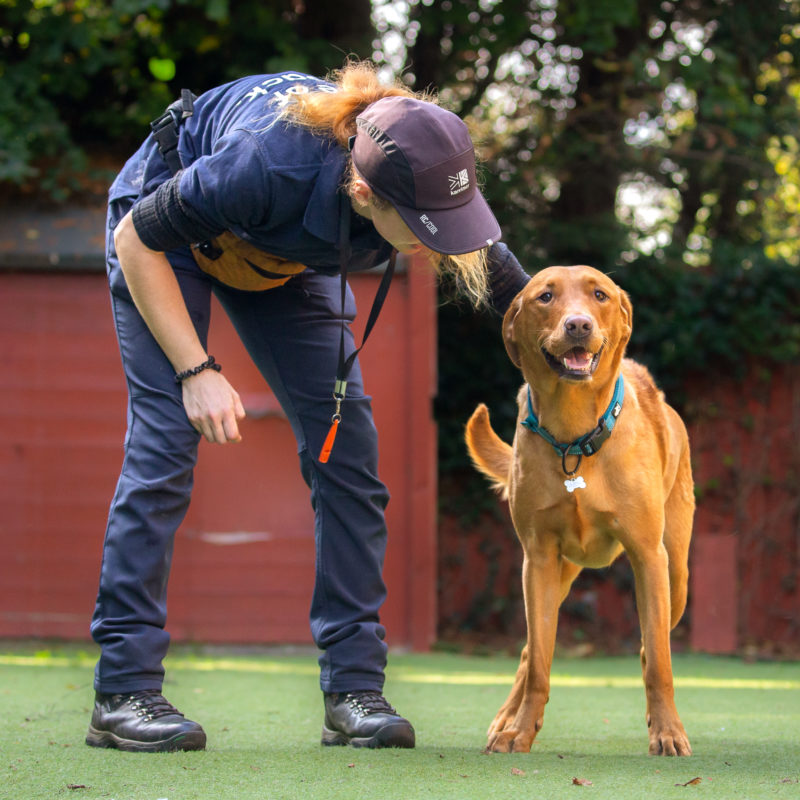
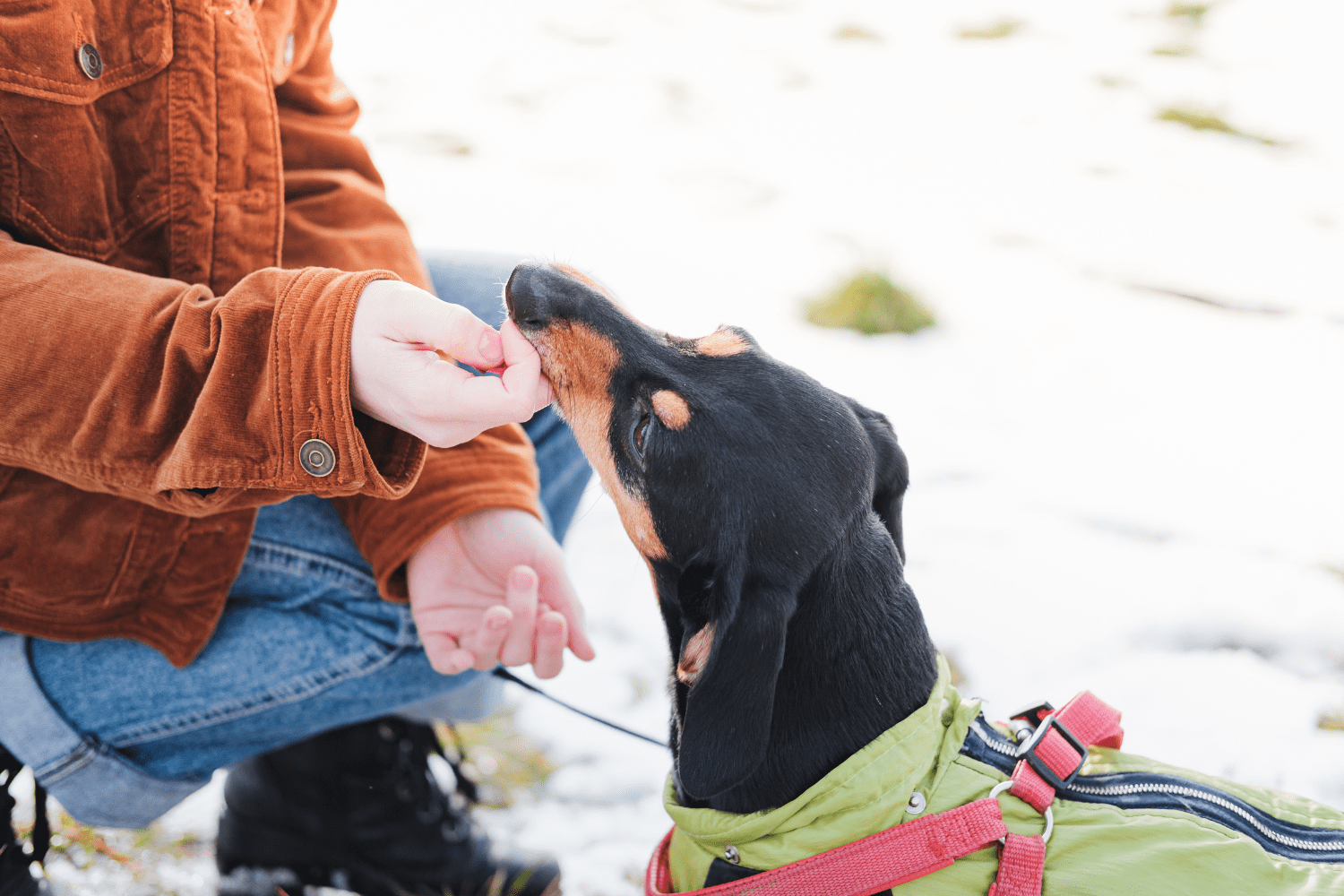
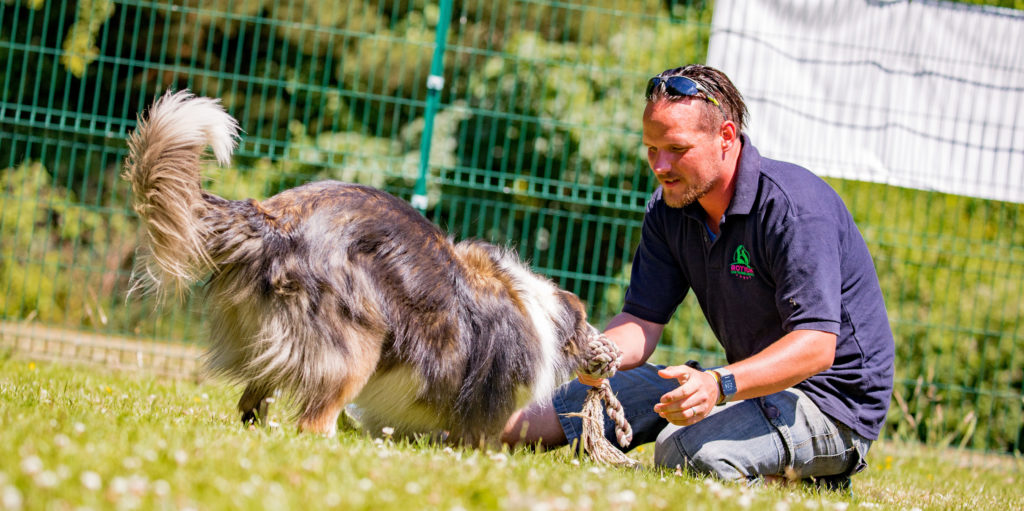
Force-free training rewards the behaviour you want and removes the reward when the wrong behaviour shows up, no threats, no force. The reward itself varies by dog, food, a ball, praise, whatever genuinely motivates that individual dog. Even in the earliest puppy stages, if a puppy starts mouthing your hands during play, simply removing your hands (rather than using force) teaches the same lesson gently, what we call negative punishment, a very different thing to the punishment used in dominance-based training.
What dominance training actually means
Dominance training is built on the idea that a human must assert power over a dog, using pain or restraint (a choke chain, a spiked collar, a knee to the chest for jumping up) until the dog submits. Confusingly, dominance-based trainers often use positive reinforcement for good behaviour too, it's the presence of positive punishment for unwanted behaviour that marks the real difference.
The real cost of dominance training
What changes under dominance training isn't just the targeted behaviour, it's the trust between dog and handler. We've met dogs who've been through this kind of training and come back more anxious, fearful or reactive than before, because the training itself teaches a dog that their owner can't be relied on to keep them safe.
Why we only use force-free training
With residential training especially, you're placing real trust in a stranger to look after your dog while they're away, and it matters enormously what methods are actually being used, not just the promised outcome. Many residential options still use tools like electric collars to demand obedience rather than teach it. We build trust instead, so a dog learns that paying attention to their handler is truly rewarding.
Why rewarding good behaviour works so well
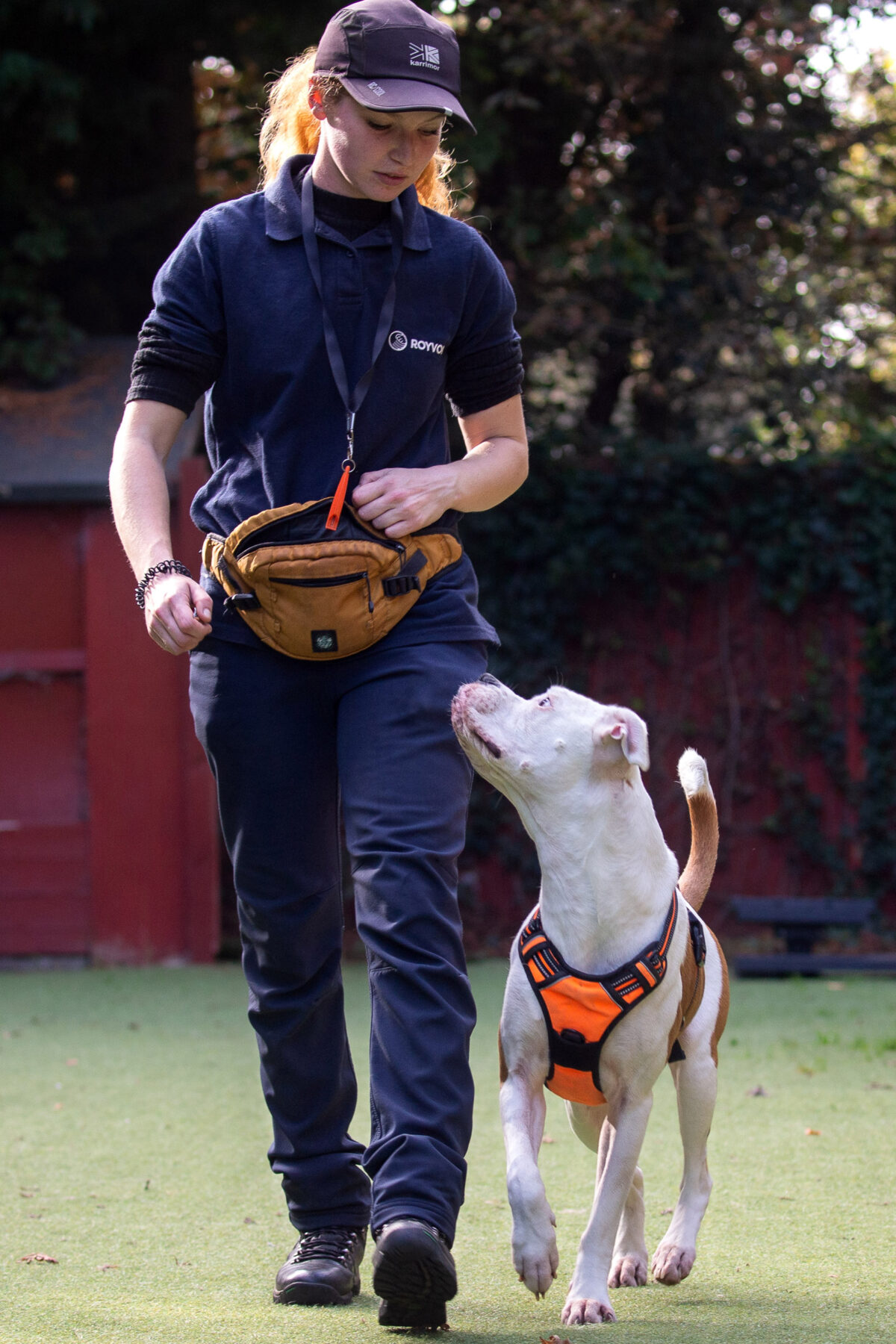
Dogs are bred to work with us, and reward-based training teaches them that focus and obedience reliably open the tap to things they want, attention, play, treats. Early on rewards are frequent; as a behaviour becomes established, they're gradually phased back while the dog is challenged with more distracting environments, if focus slips, the reward tap switches off, and the dog learns to bring their attention back to earn it again.
Getting the right support
See also our guide on the basics of positive reinforcement. Get in touch or book an assessment to find out more about our force-free training options. Learn more about our aggressive training programme and our emotional enrichment hub and Understanding and Managing Aggression in Dogs and How Dogs Learn: The Science Behind Cognitive Enrichment.
About Royvon
Enrichment Based Dog Boarding
Our calm, structured environment is built for dogs who need more than a standard kennel.
Dog BoardingLeading Dog Training
A structured residential dog training programme where your dog lives with our expert team, building calm behaviour, reliable obedience and real-world confidence that lasts beyond their stay.
Dog Training
Royvon News & Enrichment Advice
Recent Posts Regarding Enrichment

Book With Peace Of Mind Today - Limited Places Available


Specialist care, structured training, and enrichment-led boarding designed to help dogs feel calm, confident and understood. 30,000+ completed residential training programmes; 200,000+ dogs cared for in total, including boarding, since 1959.
Existing Customer?
Log In


© Copyright 2026 Royvon. All Rights Reserved.
Licensed by Merthyr Tydfil County Borough Council with the reference AB 0001. Licensed by Surrey County Council with the reference LN/201800796.
Social Media: