

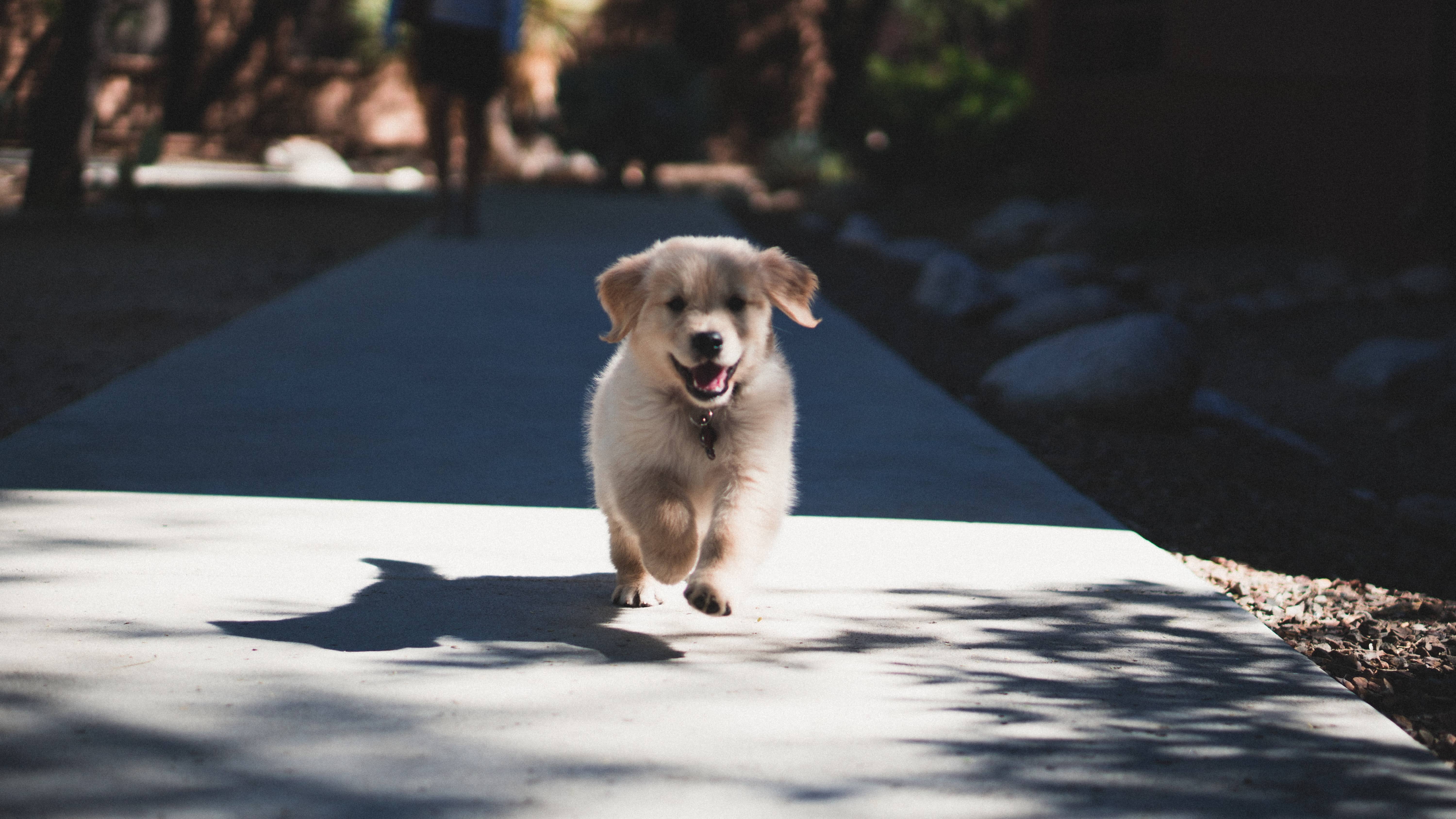
Puppies
How to Socialise Your Puppy the Right Way
👤
Author: Darren James
🕐
3 min read
📅
2017-01-12
How to socialise your puppy
Socialisation is one of the single biggest factors deciding whether a puppy grows into a confident, well-adjusted adult or a nervous one prone to fear-based aggression. It works by building confidence in novel situations while a puppy's brain is naturally primed to form these impressions quickly, a survival mechanism, in the wild, learning fast what's safe and what's dangerous can be the difference between life and death.
Why timing matters so much
This socialisation window is wide open until around twelve weeks of age, and gradually narrows until around eighteen weeks. After that, unfamiliar objects and experiences are more likely to be filed as "suspicious" by default. Since most puppies come home from the breeder around eight weeks old, that leaves roughly a month of prime window to expose them to cars, traffic, umbrellas, other dogs, cats, and everything else you want them to grow up accepting as normal.
Why the breeder matters
This is exactly why choosing a breeder who takes early socialisation seriously matters so much. A breeder raising puppies in the family home, exposed to washing machines, vacuums, children and regular visitors, gives puppies a real head start. Puppies raised in bare, understimulating pens miss this critical exposure before you even bring them home.
Socialising in the early weeks
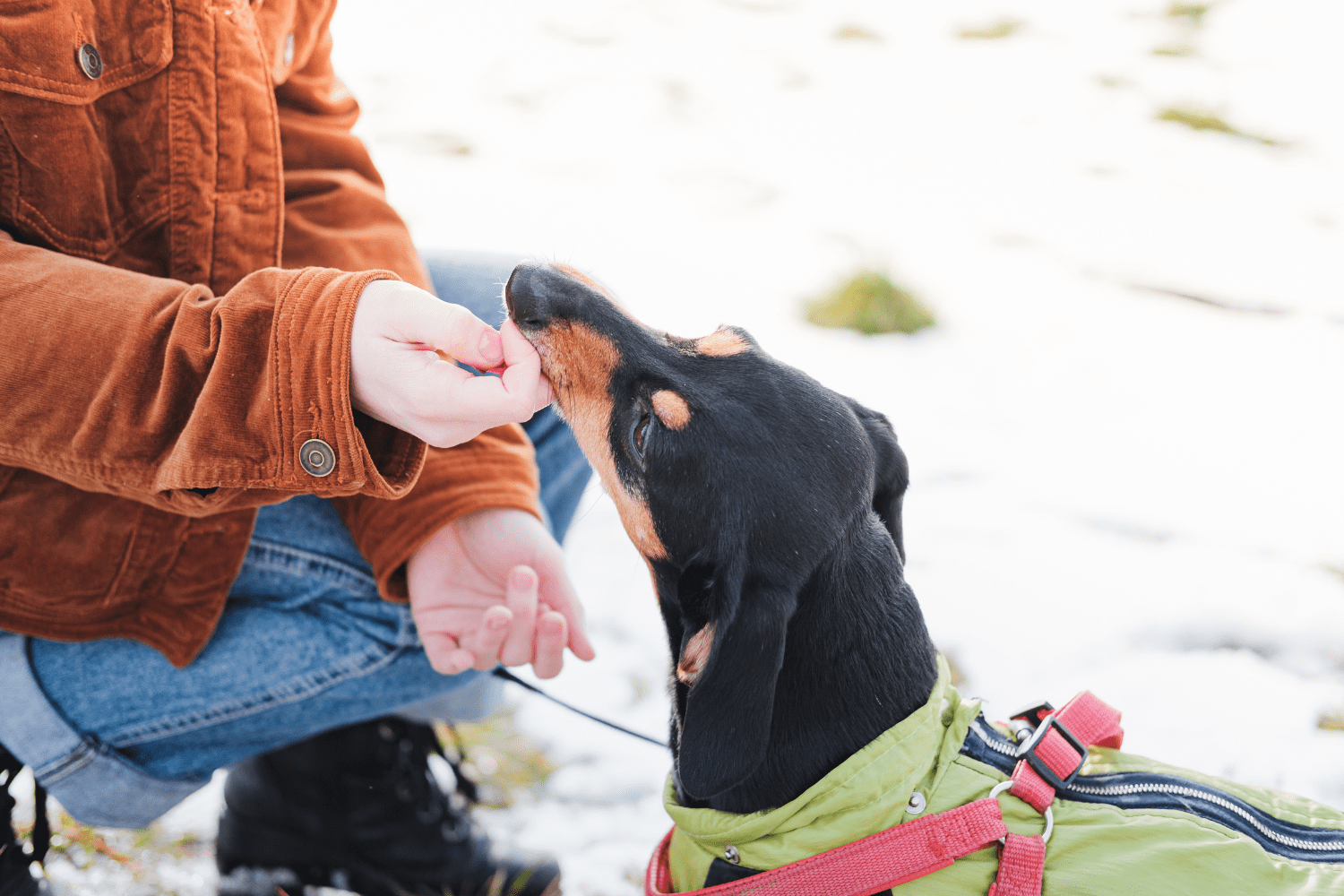
Draw up a list of experiences to introduce gradually, people of different ages and appearances, everyday objects, other animals, always aiming to keep each encounter genuinely positive, since a bad experience can backfire badly. This can mean being selective about which people or children you introduce your puppy to, a screaming child who's nervous of dogs is a poor choice; a calm child who can sit still and offer a treat is a good one. If your puppy isn't fully vaccinated yet, carrying them rather than letting them walk on the ground still counts, standing outside a shop with a puppy in your arms gets plenty of useful exposure. It's worth asking your vet which vaccine they use, since some now allow puppies out from ten weeks.
Socialisation doesn't stop at eighteen weeks
The window narrows rather than slamming shut, so continuing to expose your dog to new sights, sounds and experiences beyond that age still helps, it just takes more patience and a slower pace, and it's still truly worth the effort.
Getting the right support
See also our guide on what's right and what's wrong in puppy socialisation. Get in touch if you'd like guidance tailored to your puppy's age and stage. Learn more about our puppy training programme and our social enrichment hub. Also see Royvon's Puppy Training Philosophy: An Enrichment-Led Approach.
About Royvon
Enrichment Based Dog Boarding
Our calm, structured environment is built for dogs who need more than a standard kennel.
Dog BoardingLeading Dog Training
A structured residential dog training programme where your dog lives with our expert team, building calm behaviour, reliable obedience and real-world confidence that lasts beyond their stay.
Dog Training
Royvon News & Enrichment Advice
Recent Posts Regarding Enrichment
Book With Peace Of Mind Today - Limited Places Available


Specialist care, structured training, and enrichment-led boarding designed to help dogs feel calm, confident and understood. 30,000+ completed residential training programmes; 200,000+ dogs cared for in total, including boarding, since 1959.
Existing Customer?
Log In


© Copyright 2026 Royvon. All Rights Reserved.
Licensed by Merthyr Tydfil County Borough Council with the reference AB 0001. Licensed by Surrey County Council with the reference LN/201800796.
Social Media: