

Siberian Husky Training
Yes, you can train a Husky. Bred to run and think for themselves, they test recall, pull hard on the lead and look for a way out. Here’s why it happens and how our Husky training works with that instinct.
We run residential programmes for Siberian Husky owners in Surrey and South Wales.
How residential training works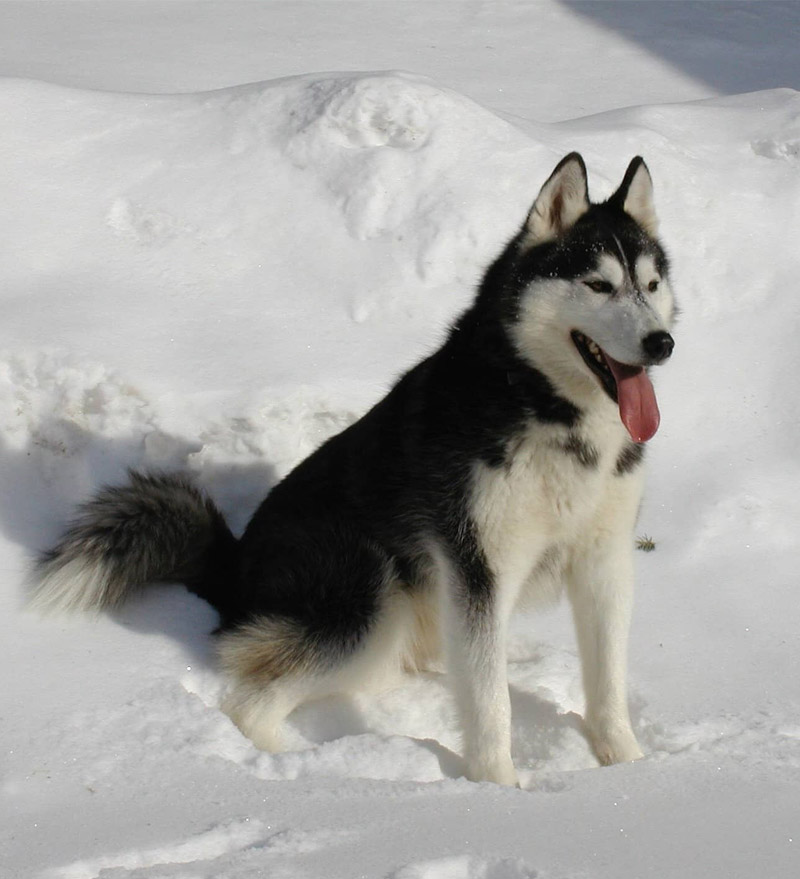
High energy
Independent
Intelligent
Strong roaming instinct
★★★★★
“He took his time to build a strong bond with my husky and trained him brilliantly! The changes are remarkable”
Chico D. · Google review67 years of expertise
Behaviour aware approach
Structured, proven method
3 months of owner support
Rated Excellent by owners
Breed profile
Siberian Husky at a glance
Energy level
Very High
Built for endurance and distance. Needs serious daily physical and mental output.
Intelligence
Very High
Quick to learn, but not always eager to comply. Independent thinking is part of the breed.
Trainability
Selective
Responds well to reward-based structure, but consistency is essential. Repetition alone will not win them over.
Common issues
Recall & roaming
Poor recall, pulling, escape behaviour, over-excitement and difficulty settling are common without the right structure.
Understanding the breed
What makes a Siberian Husky different to train
Siberian Huskies are bright, driven and full of personality but they are not naturally biddable dogs. They were bred to run for miles, make independent decisions and keep going regardless of conditions.
That makes them extraordinary companions for the right owner, but a real challenge for households expecting easy obedience. The key is not controlling their instincts, but channelling them properly.
They are bred to move constantly and can become destructive, noisy or difficult if under-exercised
Recall can be especially unreliable once a Husky locks onto a scent, movement or the chance to explore
They are intelligent enough to learn quickly, but independent enough to ignore weak handling
They need training that is structured, rewarding and engaging, not repetitive or forceful
A Husky will never be a pushover, but give them a reason to work with you and you get a brilliant, characterful companion.
What we help with
The challenges that come with a Siberian Husky
We work with these regularly. There is usually a clear path forward, even in cases that have been going on for years.
01
Poor Recall
Huskies are well known for hearing you perfectly and choosing not to listen. We build engagement, interrupt cues and a stronger desire to come back to you.
02
Pulling & Lead Frustration
A breed designed to pull sledges will not naturally offer loose-lead walking. We teach calmer movement, handler focus and better impulse control.
03
Roaming & Escape Behaviour
Many Huskies are expert escape artists. Digging, climbing and pushing boundaries are common when their needs are not being met properly.
04
Over-Excitement
Excitable greetings, over-arousal and difficulty settling in the home are common in high-energy Huskies without enough structure.
05
Dog Distraction & Social Overload
Friendly by nature but often over-stimulated by other dogs, Huskies can become noisy, frustrated or hard to manage in stimulating environments.
06
Stubbornness
Usually not true stubbornness, more often a lack of motivation, clarity or consistency. We build cooperation through reward and engagement.
Residential training
How residential training helps a Siberian Husky
Huskies switch off from repetition and get bored quickly. A residential stay gives us time each day for short, varied training with plenty of exercise around it, so your dog is ready to listen.
We assess first
We look at what pulls your Husky away, whether scent, other dogs or the urge to run, and how they respond to food and play, so the plan fits the dog in front of us.
Lead first, then freedom
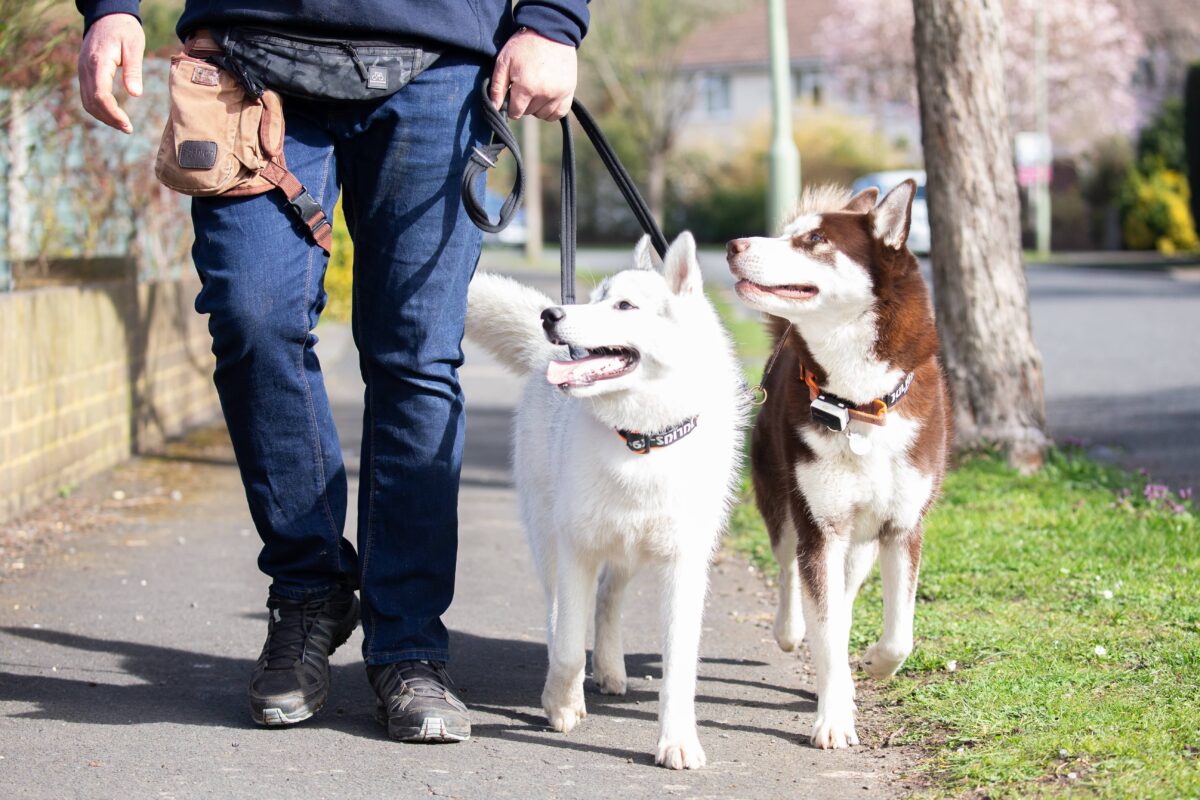
An hour of one to one training a day with the same trainer. We build loose lead walking and focus in our grounds first, then practise in busier places, with recall on a long line.
Handover and follow up
Huskies notice when the rules relax, so at handover we teach you the same cues and routines we use, then back you up with at least two follow up sessions.
From £85 a day in South Wales and £140 a day in Surrey. The final price depends on the time of year and your dog's programme.
Owner reviews
What Siberian Husky owners say
In their own words, taken from our Google reviews. Each one links to the listing it was left on.
★★★★★
“…when I went to collect him I was happy to see that most of the issues we had with him were addressed and that although more disciplined, he was still the same playful and happy dog.”
Success stories
Siberian Husky success stories
Real Royvon dogs, filmed during and after their training.
FAQs
Siberian Husky common questions
What owners usually ask before getting in touch.
Ask the team directlyIs residential training suitable for a Siberian Husky?
Yes, Huskies often benefit from structured residential training because it provides consistency, exercise and skilled handling in an environment built around progress.
Can you help with Husky recall problems?
Yes. Recall is one of the most common Husky challenges. We focus on engagement, motivation and reliability around distractions.
My Husky pulls constantly on walks. Is that normal?
Very common. Huskies were bred to pull, so loose-lead walking has to be taught carefully and consistently rather than assumed.
Do you train Husky puppies?
Absolutely. Early puppy training is one of the best ways to prevent future issues with lead work, over-excitement, poor recall and boundary pushing.
Do you use force-free methods?
Always. Huskies respond best to positive reinforcement, clear structure and training that keeps them mentally engaged.
Ready to start
Let's talk about your Siberian Husky
Tell us about your dog and what you're struggling with. We'll guide you honestly on whether Royvon is the right fit, and what the best approach looks like.
Get in touchWe respond to every enquiry.
Book With Peace Of Mind Today - Limited Places Available


Specialist care, structured training, and enrichment-led boarding designed to help dogs feel calm, confident and understood. 30,000+ completed residential training programmes; 200,000+ dogs cared for in total, including boarding, since 1959.
Existing Customer?
Log In


© Copyright 2026 Royvon. All Rights Reserved.
Licensed by Merthyr Tydfil County Borough Council with the reference AB 0001. Licensed by Surrey County Council with the reference LN/201800796.
Social Media: