

Pomeranian Training
Tiny, fluffy and sure they’re a big dog. When that shows up as barking at everything, snapping at other dogs or accidents indoors, here’s why it happens and how our Pomeranian training helps.
We run residential programmes for Pomeranian owners in Surrey and South Wales.
How residential training works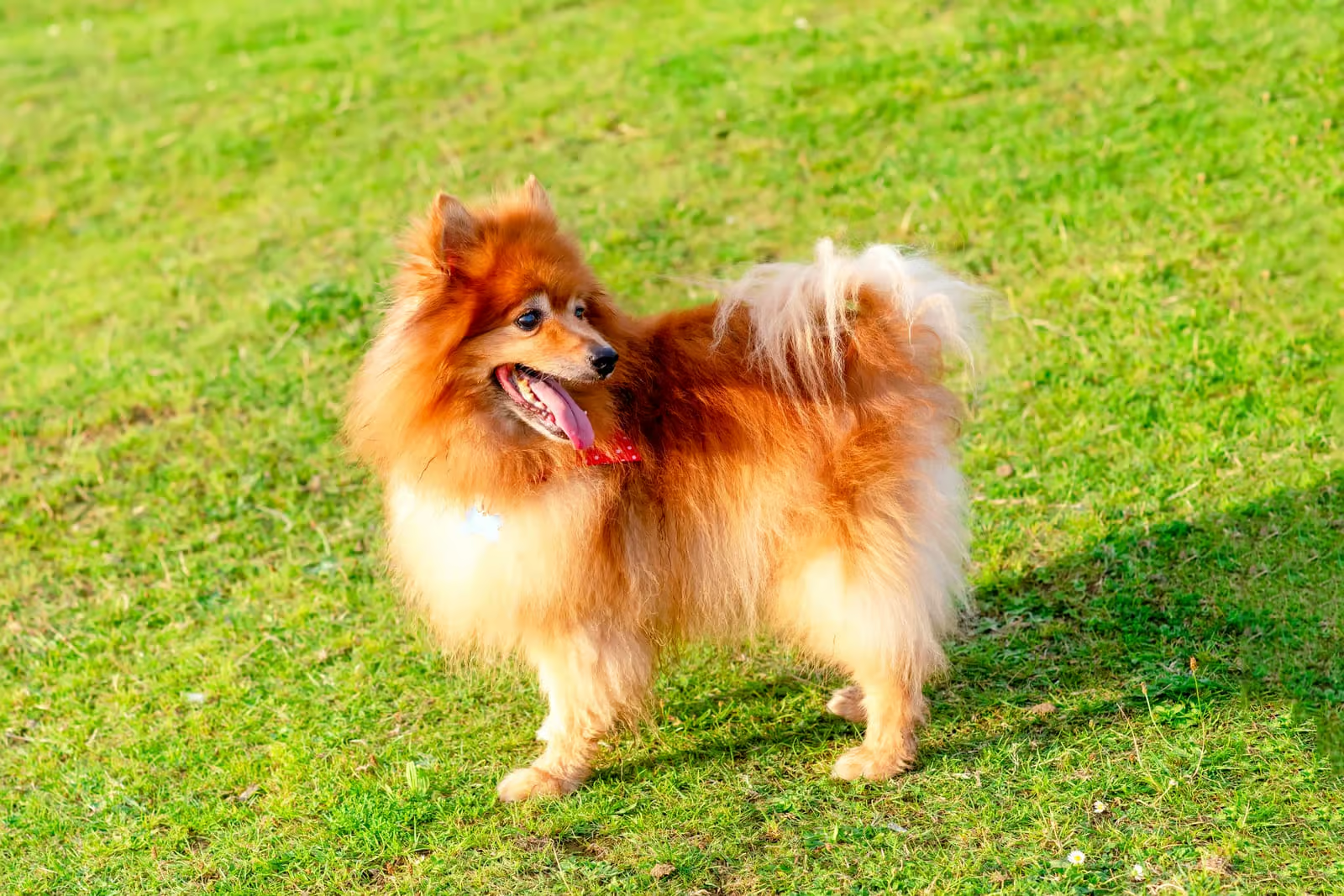
Lively
Alert
Big personality
Vocal
★★★★★
“He came back after two weeks training even more confident and disciplined.”
Joel D. · Google reviewWhat are you struggling with?
67 years of expertise
Behaviour aware approach
Structured, proven method
3 months of owner support
Rated Excellent by owners
Breed profile
Pomeranian at a glance
Drive
Moderate
Busy and playful, with more energy than their size suggests.
Temperament
Alert
Bright and affectionate, but quick to raise the alarm at anything new.
Trainability
High
Clever and keen, so they pick things up fast when training is fun.
Common issues
Barking
The most common problems are barking, reactivity to dogs, house training and nervousness.
Understanding the breed
What makes a Pomeranian different to train
Pomeranians descend from much bigger spitz dogs from the Pomerania region, on the Baltic coast. Breeders made them smaller, and Queen Victoria made them popular. The body got smaller, but the watchdog attitude stayed, and in a tiny dog it’s easy to laugh off until it becomes a habit.
A Pom that’s carried everywhere never learns to cope on its own four feet
They bark because they were bred to raise the alarm, not to be a nuisance
Their bladders are tiny, so toilet trips have to be frequent and regular
They’re quick to learn, and that includes picking up bad habits
A confident Pomeranian is a cheerful, clever little dog who’s a joy to have around.
What we help with
The challenges that come with a Pomeranian
We work with these regularly. There is usually a clear path forward, even in cases that have been going on for years.
01
Barking
Sounding off at the door, the window and every passing dog. We teach a quiet cue and reward the silence.
02
Reactivity to dogs
Little dog, big mouth around bigger dogs. We start at a distance where they feel safe and work closer.
03
House training
Poms often won’t go out in the rain or cold. We set a routine and make outside worth it, whatever the weather.
04
Nervousness
Worried by being handled or by new people. We build trust at your dog’s pace.
05
Guarding
Growling over toys, beds or laps. We teach trading, never confrontation.
06
Separation stress
Crying when left. We build up time apart in small, easy steps.
Residential training
How residential training helps a Pomeranian
Most Pomeranian problems come from a big personality in a small, nervous body. A residential stay gives your dog a steady routine and builds confidence, with calm practice around other dogs every day.
We assess first
We find out what sets your Pomeranian off, whether dogs, doors or being handled, so we know where to begin.
Calm and confidence
An hour of one to one training a day with the same trainer. We build calm in our grounds first, then practise in busier places.
Handover and follow up
At handover, we show you the routine and cues we use, so the calm carries on at home, with at least two follow up sessions afterwards.
From £85 a day in South Wales and £140 a day in Surrey. The final price depends on the time of year and your dog's programme.
Owner reviews
What Pomeranian owners say
In their own words, taken from our Google reviews. Each one links to the listing it was left on.
★★★★★
“Mimi did her absolute best with Milo, built a relationship with him and found strategies that would suit his way of learning. It has been amazing to watch the training unfold.”
Success stories
Pomeranian success stories
Real Royvon dogs, filmed during and after their training.
FAQs
Pomeranian common questions
What owners usually ask before getting in touch.
Ask the team directlyAre Pomeranians easy to train?
Yes. They’re clever and keen, and they learn quickly when training is short and fun.
Is residential training suitable for a Pomeranian?
Yes. We go at your dog’s pace in a calm routine, and we assess every dog before booking anything.
My Pomeranian barks at everything. Can you help?
Yes. We teach your dog to settle and show you how to keep it going at home.
How long does a Pomeranian programme take?
Most residential programmes run 2 to 3 weeks. We confirm the length after the assessment.
Do you use force free training?
Yes. Pomeranians are sensitive, and reward based training brings out their best.
Ready to start
Let's talk about your Pomeranian
Tell us about your dog and what you're struggling with. We'll guide you honestly on whether Royvon is the right fit, and what the best approach looks like.
Get in touchWe respond to every enquiry.
Book With Peace Of Mind Today - Limited Places Available


Specialist care, structured training, and enrichment-led boarding designed to help dogs feel calm, confident and understood. 30,000+ completed residential training programmes; 200,000+ dogs cared for in total, including boarding, since 1959.
Existing Customer?
Log In


© Copyright 2026 Royvon. All Rights Reserved.
Licensed by Merthyr Tydfil County Borough Council with the reference AB 0001. Licensed by Surrey County Council with the reference LN/201800796.
Social Media: