

Lurcher Training
Lightning on a walk and a sofa hog at home. When that turns into chasing anything that moves, ignoring recall or lunging at other dogs, here’s why it happens and how our Lurcher training helps.
We run residential programmes for Lurcher owners in Surrey and South Wales.
How residential training works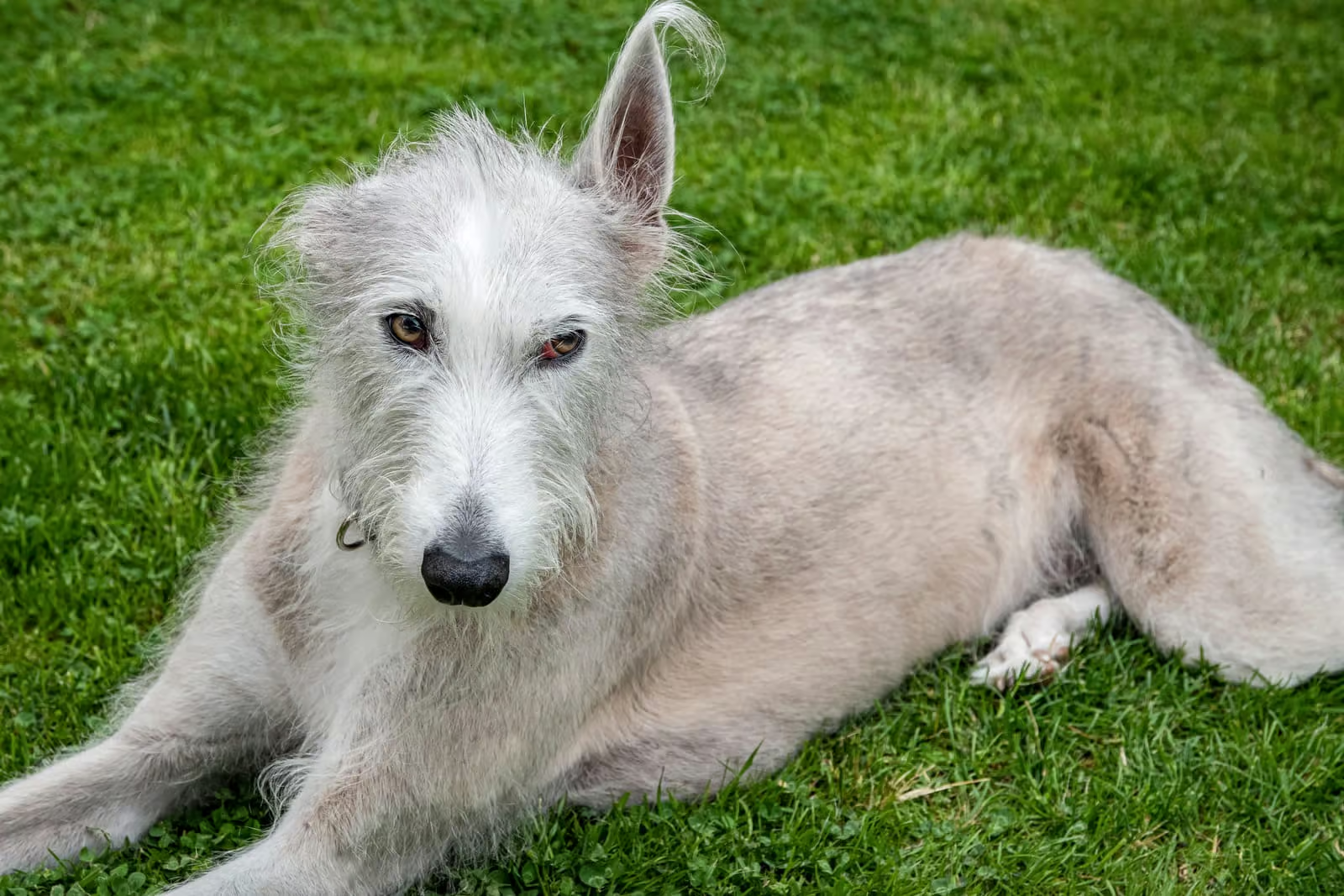
Fast and athletic
Gentle at home
Strong chase instinct
Often a rescue
★★★★★
“The highlight of Geoff’s stay was seeing a dog who was so dog reactive that he couldn’t be around other dogs, happily join a pack of dogs and have his muzzle removed.”
Bridget P. · Google reviewWhat are you struggling with?
67 years of expertise
Behaviour aware approach
Structured, proven method
3 months of owner support
Rated Excellent by owners
Breed profile
Lurcher at a glance
Drive
High
Part sighthound, so a running rabbit or squirrel can switch on the chase in an instant.
Temperament
Gentle
Usually soft and affectionate indoors, though some are sensitive or unsure of strangers.
Background
Often rescued
Lots of Lurchers come through rescues, sometimes with gaps in their early training.
Common issues
Chasing
The most common problems are chasing, poor recall, reactivity to dogs and separation stress.
Understanding the breed
What makes a Lurcher different to train
A Lurcher is a sighthound, usually a Greyhound or Whippet, crossed with a working breed such as a collie or terrier. They were bred in Britain and Ireland to catch rabbits and hares quickly and quietly. That mix gives you speed, brains and a strong urge to chase, so every Lurcher is a little different.
The chase is triggered by sight, so a dog that’s fine one moment can be gone the next
The working side of the cross often brings brains and a busy mind
Many rescues have missed out on early socialisation with other dogs
Tall enough to reach the kitchen worktops, which they’ll discover quickly
Once a Lurcher trusts its recall and you trust it too, walks become a real joy.
What we help with
The challenges that come with a Lurcher
We work with these regularly. There is usually a clear path forward, even in cases that have been going on for years.
01
Chasing
Cats, squirrels and small dogs on the move. We work on impulse control, starting well away from the trigger.
02
Poor recall
Fast enough to be out of sight before you’ve called. We train recall around movement, one step at a time.
03
Reactivity to dogs
Some lunge or bark when another dog appears. We keep the distance comfortable and close it slowly.
04
Separation stress
Pacing or whining when you leave, common in rescues. We increase time apart in small amounts.
05
Counter surfing
Long legs and a good nose mean food left out isn’t safe. Your dog learns to keep four paws on the floor around the kitchen.
06
Nervousness
Worried by noise, traffic or new people. We build confidence at your dog’s pace.
Residential training
How residential training helps a Lurcher
Most Lurcher problems come from a powerful chase instinct and, for rescues, a patchy start in life. A residential stay gives your dog a calm routine with one trainer and daily practice around movement and other dogs.
We assess first
We find out what sets your Lurcher off, whether movement, other dogs or being alone, so the plan starts in the right place.
Focus around movement
An hour of one to one training a day with the same trainer. We build focus and recall in our grounds first, then practise in busier places.
Handover and follow up
At handover, we show you the cues and routine we use, so the recall work carries on at home, with at least two follow up sessions afterwards.
From £85 a day in South Wales and £140 a day in Surrey. The final price depends on the time of year and your dog's programme.
Owner reviews
What Lurcher owners say
In their own words, taken from our Google reviews. Each one links to the listing it was left on.
★★★★★
“We have managed walks seeing nearly 20 dogs, some of which were less than 2 meters away, without a single lunge or bark.”
Success stories
Lurcher success stories
Real Royvon dogs, filmed during and after their training.
Can Lurchers be trained?
Yes. They’re clever and learn well with rewards, though recall around wildlife takes patient work.
Is residential training suitable for a rescue Lurcher?
Yes. We go at your dog’s pace in a calm routine, and we assess every dog before booking anything.
My Lurcher won’t come back when it sees a squirrel. Can you help?
Yes. We build recall around movement step by step and are honest about what training can change.
How long does a Lurcher programme take?
Most residential programmes run 2 to 3 weeks. We confirm the length after the assessment.
Do you use force free training?
Yes. Lurchers are sensitive, and gentle, reward based training gets the best from them.
Ready to start
Let's talk about your Lurcher
Tell us about your dog and what you're struggling with. We'll guide you honestly on whether Royvon is the right fit, and what the best approach looks like.
Get in touchWe respond to every enquiry.
Book With Peace Of Mind Today - Limited Places Available


Specialist care, structured training, and enrichment-led boarding designed to help dogs feel calm, confident and understood. 30,000+ completed residential training programmes; 200,000+ dogs cared for in total, including boarding, since 1959.
Existing Customer?
Log In


© Copyright 2026 Royvon. All Rights Reserved.
Licensed by Merthyr Tydfil County Borough Council with the reference AB 0001. Licensed by Surrey County Council with the reference LN/201800796.
Social Media: