

Labrador Training
Friendly, full of energy and ruled by their stomach. When that turns into pulling on the lead, jumping up or ignoring recall, here’s why it happens and how our Labrador training fixes it.
We run residential programmes for Labrador owners in Surrey and South Wales.
How residential training works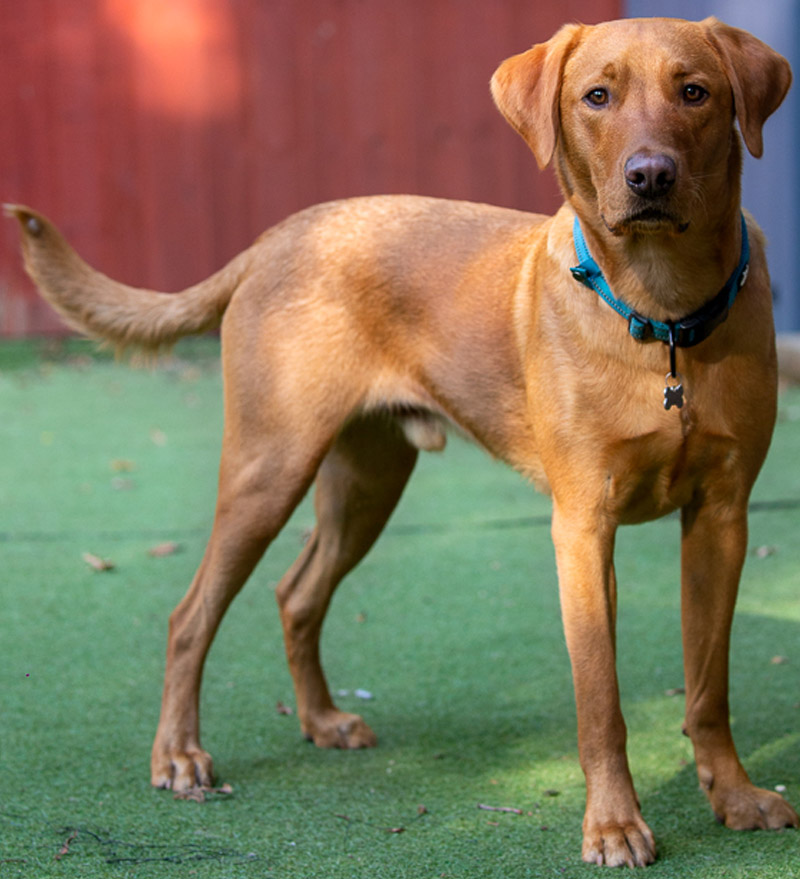
High energy (young)
Food motivated
Friendly & social
Can be boisterous
★★★★★
“Anna has worked wonders with our nervous boy as he has returned a confident dog and also we now have the skills to help him improve!”
Tracey M. · Google reviewWhat are you struggling with?
67 years of expertise
Behaviour aware approach
Structured, proven method
3 months of owner support
Rated Excellent by owners
Breed profile
Labrador at a glance
Energy level
High (young)
Young Labradors need substantial daily exercise, both mental and physical.
Motivation
Food
Highly food-motivated, one of the easiest breeds to effectively reward-train.
Trainability
Excellent
Very capable learners. Progress is fast when training is consistent.
Common issues
Over-excitement
Pulling on the lead, jumping up, poor recall and boisterousness are the typical challenges.

Understanding the breed
What makes a Labrador different to train
Labradors have a reputation for being easy. But their enthusiasm, energy and impulsiveness create specific challenges that catch a lot of owners off guard.
The food motivation that makes them easy to teach also makes them easily distracted by smells, food, and other dogs.
Over-excitement is the root of most Labrador behaviour problems; jumping, pulling, poor focus
Slow maturation means the puppy brain persists well into adulthood, sometimes up to age 3
Food obsession can lead to counter-surfing, scavenging and selective hearing around distractions
Their social nature means they find it difficult to ignore other dogs, people and movement
A Labrador will work all day for the right reward. Point that enthusiasm at good manners andwalks become a pleasure.
What we help with
The challenges that come with a Labrador
We work with these regularly. There is usually a clear path forward, even in cases that have been going on for years.
01
Pulling on the Lead
A strong, enthusiastic Labrador on the lead is exhausting. We build calm loose-lead walking in any environment.
02
Jumping Up
One of the most common Labrador complaints. We address the root excitement, not just the symptom.
03
Poor Recall
A Labrador with its nose down or eye on another dog cannot hear you. We build reliable recall under distraction.
04
Food Obsession
Counter-surfing, scavenging and stealing food. Manageable with consistent structure and impulse control work.
05
Over-Excitement
Cannot settle, will not switch off. We build genuine calm, not suppression.
06
Anxiety
Seen in under-stimulated or poorly socialised Labradors. Structure and enrichment help significantly.
Residential training
How residential training helps a Labrador
Most Labrador problems come from enthusiasm without an outlet or plan. A residential stay gives your dog daily structure, the right rewards and plenty of practice staying calm.
We assess first
We find out what sets your Labrador off, whether other dogs, visitors or food, and what they’ll happily work for, so the plan uses their motivation rather than fighting it.
Calm before excitement
An hour of one to one training a day with the same trainer. We teach loose lead walking and a calm sit in our grounds first, then practise around other dogs and in busier places.
Handover and follow up
Labradors quickly learn what earns a reward at home, so at handover we teach you the same cues and rewards, then back you up with at least two follow up sessions.
From £85 a day in South Wales and £140 a day in Surrey. The final price depends on the time of year and your dog's programme.
Owner reviews
What Labrador owners say
In their own words, taken from our Google reviews. Each one links to the listing it was left on.
★★★★★
“At 12 months old, Gus will now walk on a loose lead, check in with me before going to another dog and sit quietly as other dogs walk by.”
C
Chris G.
Gus · 1-2-1 training · May 2025★★★★★
“From a hyper little labrador who just wanted to go mental and play and jump all the time, to a well behaved dog who is much more obedient and calmer.”
A
Ani & Krups
Zuri · Residential training · September 2023★★★★★
“Our Labrador Loki stayed at Royvon Merthyr for a behaviour modification program and he has come back so much calmer and less reactive around people and dogs!”
S
Success stories
Labrador success stories
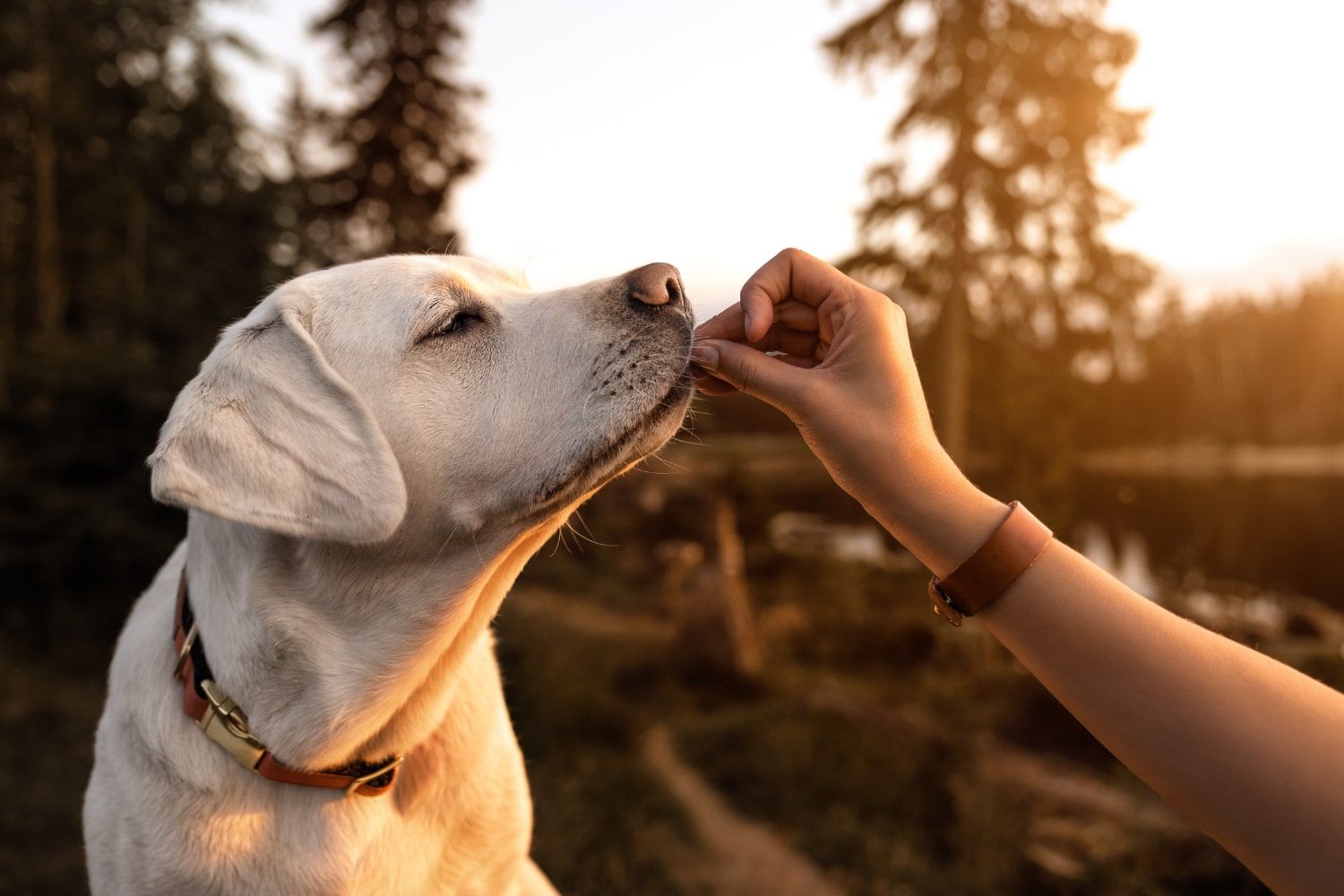
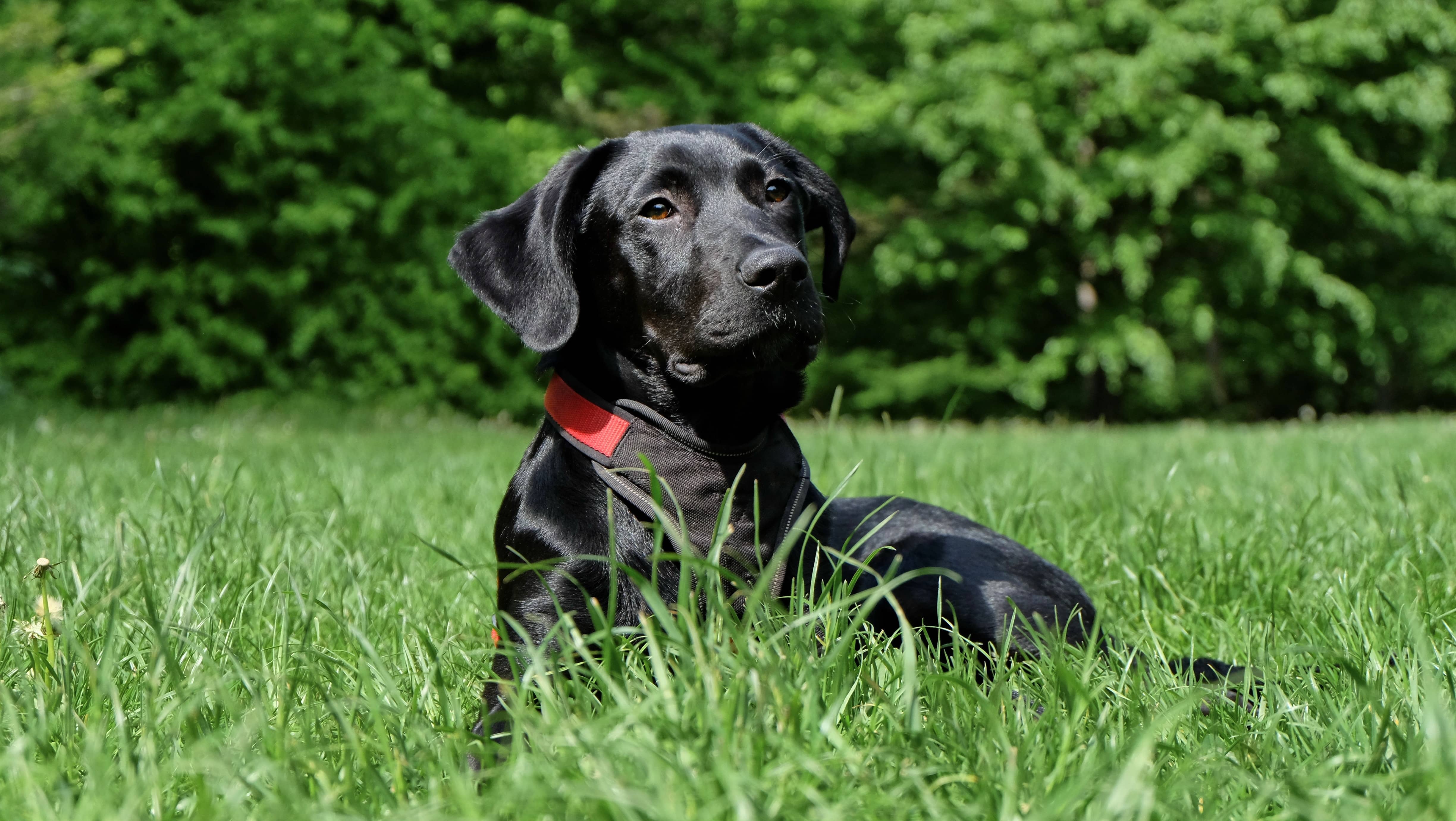
Real Royvon dogs, filmed during and after their training.
Is residential training suitable for a Labrador?
Yes, their food motivation and intelligence mean fast progress in a structured environment.
My Labrador is very boisterous. Is that something you work with?
Absolutely. Over-excitement and boisterousness are among the most common Labrador behaviours we work with.
Will my Labrador be happy in boarding?
Labradors are sociable, adaptable dogs and generally settle very well in boarding.
How long does a typical Labrador programme take?
Most programmes run 2–4 weeks depending on the specific behaviours being addressed.
Do you use force-free methods?
Yes, always. Their food motivation makes reward-based training highly effective.
Ready to start
Let's talk about your Labrador
Tell us about your dog and what you're struggling with. We'll guide you honestly on whether Royvon is the right fit, and what the best approach looks like.
Get in touchWe respond to every enquiry.
Book With Peace Of Mind Today - Limited Places Available


Specialist care, structured training, and enrichment-led boarding designed to help dogs feel calm, confident and understood. 30,000+ completed residential training programmes; 200,000+ dogs cared for in total, including boarding, since 1959.
Existing Customer?
Log In


© Copyright 2026 Royvon. All Rights Reserved.
Licensed by Merthyr Tydfil County Borough Council with the reference AB 0001. Licensed by Surrey County Council with the reference LN/201800796.
Social Media: