

Akita Training
Loyal to their family and wary of everyone else. When that shows up as guarding, aggression towards other dogs or simply refusing, here’s why it happens and how we train Akitas, Japanese and American alike.
We run residential programmes for Akita owners in Surrey and South Wales.
How residential training works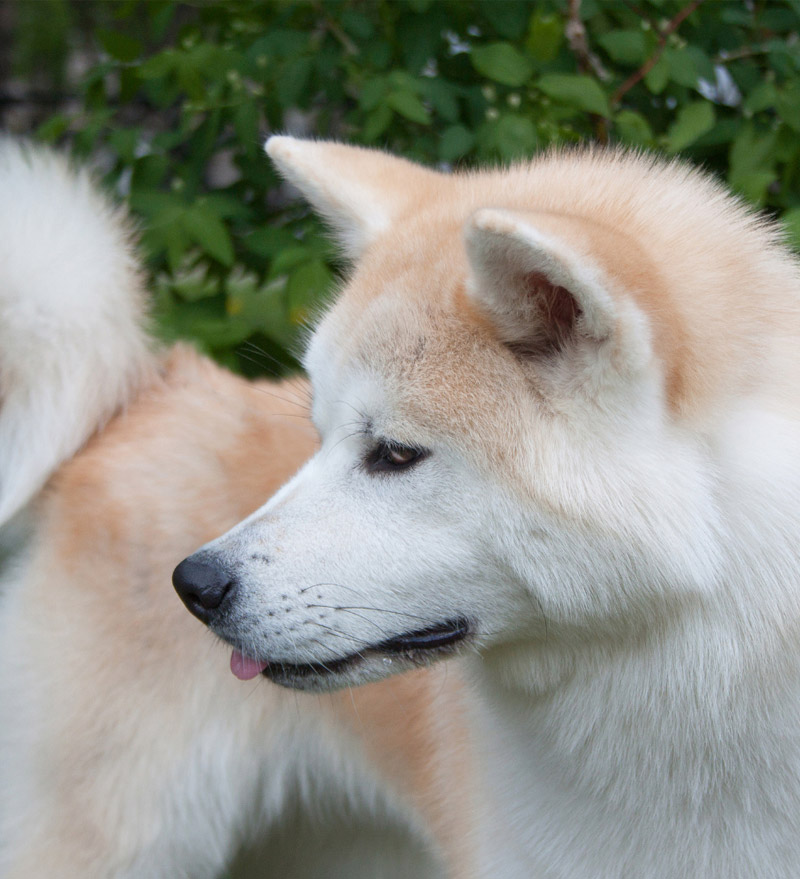
Independent
Naturally dominant
Loyal to family
Wary of strangers
★★★★★
“If you have an Akita and need help. THIS is the place and the right people.”
Stefanie P. · Google reviewWhat are you struggling with?
67 years of expertise
Behaviour aware approach
Structured, proven method
3 months of owner support
Rated Excellent by owners
Breed profile
Akita at a glance
Intelligence
High
Highly intelligent but wilful. Will choose not to engage if they do not see the value.
Independence
Very High
One of the most independent breeds. Needs a calm, consistent and experienced handler.
Temperament
Dominant
Natural dominance hierarchy awareness. Clear, fair boundaries are essential from day one.
Common issues
Same-sex aggression
Same-sex dog aggression, wariness of strangers and stubborn non-compliance are the key challenges.
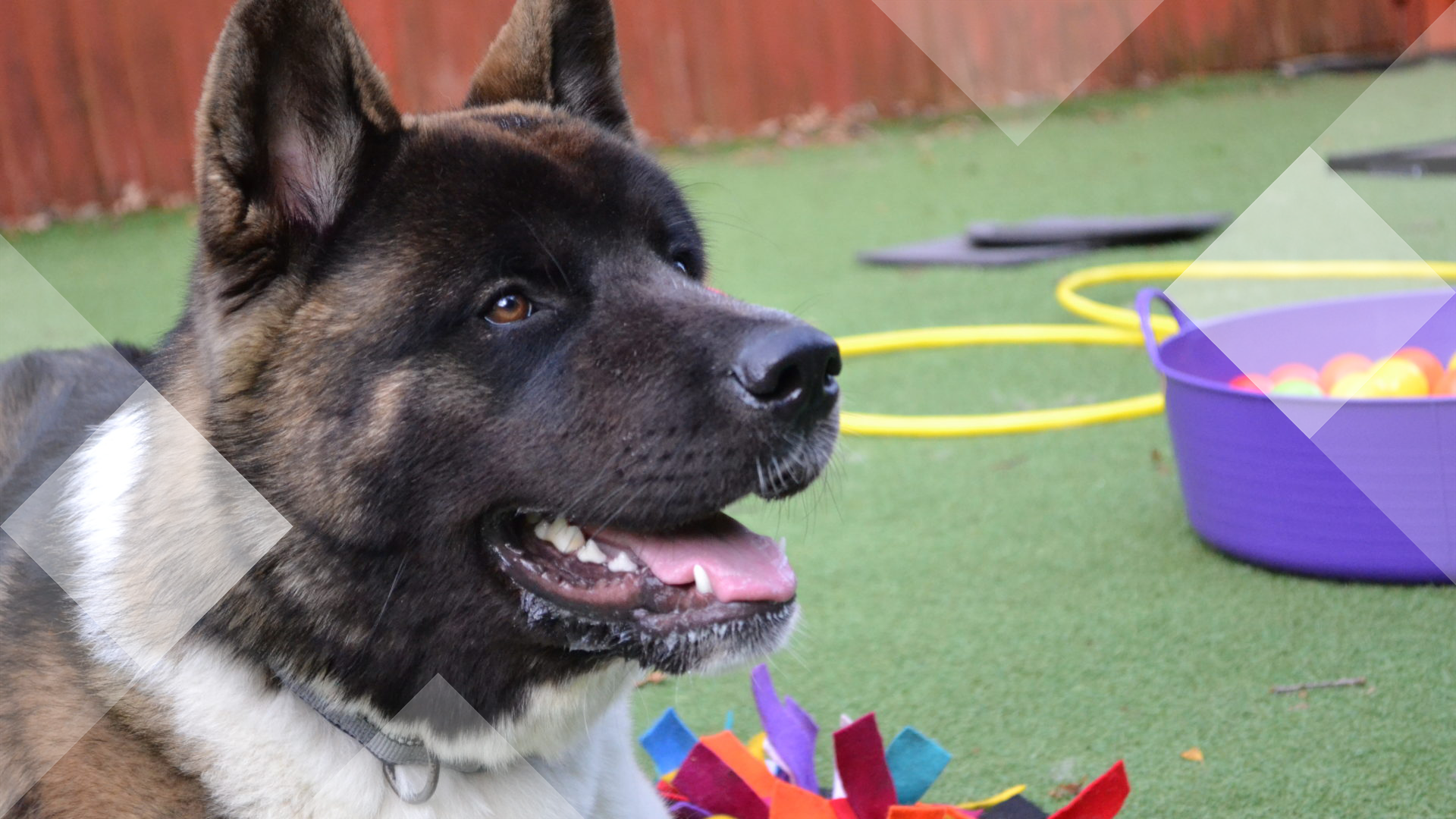
Understanding the breed
What makes a Akita different to train
Akitas are not beginner's dogs. They are deeply loyal to their family and deeply suspicious of everyone else; and that combination requires experienced, confident handling.
They do not respond to repetitive training or heavy-handed methods. They need a handler who has earned their trust and communicates with calm authority.
Same-sex dog aggression is a breed characteristic, not a training failure but it must be managed carefully
Their independence means they can disengage completely if training is not conducted on their terms
They bond very strongly to one or two people and can be wary or reactive toward strangers
Force-based training is genuinely dangerous with this breed they respond only to trust and respect
An Akita gives respect where it’s earned. Calm, consistent handling earns it.
What we help with
The challenges that come with a Akita
We work with these regularly. There is usually a clear path forward, even in cases that have been going on for years.
01
Same-Sex Dog Aggression
A breed characteristic. Needs careful management and experienced handling rather than confrontation.
02
Wariness of Strangers
Can escalate into reactivity without proper socialisation. We build calm confidence around unfamiliar people.
03
Stubborn Non-Compliance
Akitas choose when to engage. We work with their nature: high-value rewards and short sessions.
04
Aggression
Needs careful assessment. We are honest about what residential training can achieve.
05
Poor Recall
An Akita with something more interesting to do will not come back. We build reliable recall through trust.
06
Resource Guarding
Can be significant. Addressed carefully with positive methods; never confrontation.
Residential training
How residential training helps a Akita
Akitas don’t respond to repetition or pressure, and they take time to trust. A residential stay gives us that time, with one trainer, a steady routine and realistic goals agreed with you.
We assess first
Guarding, dog aggression and nervous reactivity need very different plans. We assess carefully and tell you honestly what’s realistic before you book anything.
Trust, then training
An hour of one to one training a day with the same trainer. We build trust and calm in our grounds first, then practise around other dogs and in busier places.
Handover and follow up
Akitas bond with people, not routines, so at handover we teach you the same cues and handling we use, then back you up with at least two follow up sessions.
From £85 a day in South Wales and £140 a day in Surrey. The final price depends on the time of year and your dog's programme.
Owner reviews
What Akita owners say
In their own words, taken from our Google reviews. Each one links to the listing it was left on.
★★★★★
“Romeo has worked wonders with him and now he is a fully obedient dog.”
M
Mihaela A.
American Akita · Training · June 2023★★★★★
“Walking her today we bumped into three labs without so much as a glance at them.”
★★★★★
“Lotty can be nervously reactive but the team always seem to be able to bring her out of her shell in a positive way.”
R
Rebecca K.
Lotty · Boarding and training · May 2018Success stories
Akita success stories
Real Royvon dogs, filmed during and after their training.
Is residential training suitable for an Akita?
Yes, in many cases. Akitas respond well to structured training when the approach is built on trust rather than compliance.
My Akita is aggressive to other dogs. Can you help?
Same-sex aggression is a breed characteristic and needs careful management. We will be honest about what we can achieve.
Will boarding be safe for my Akita?
We have extensive experience with dominant and independent breeds. Safety is our priority.
How long does an Akita programme typically take?
Most programmes run 3–4 weeks given the independent nature of the breed.
Do you use force-free methods?
Always. Force-based training is particularly dangerous with Akitas.
Ready to start
Let's talk about your Akita
Tell us about your dog and what you're struggling with. We'll guide you honestly on whether Royvon is the right fit, and what the best approach looks like.
Get in touchWe respond to every enquiry.
Book With Peace Of Mind Today - Limited Places Available


Specialist care, structured training, and enrichment-led boarding designed to help dogs feel calm, confident and understood. 30,000+ completed residential training programmes; 200,000+ dogs cared for in total, including boarding, since 1959.
Existing Customer?
Log In


© Copyright 2026 Royvon. All Rights Reserved.
Licensed by Merthyr Tydfil County Borough Council with the reference AB 0001. Licensed by Surrey County Council with the reference LN/201800796.
Social Media: